
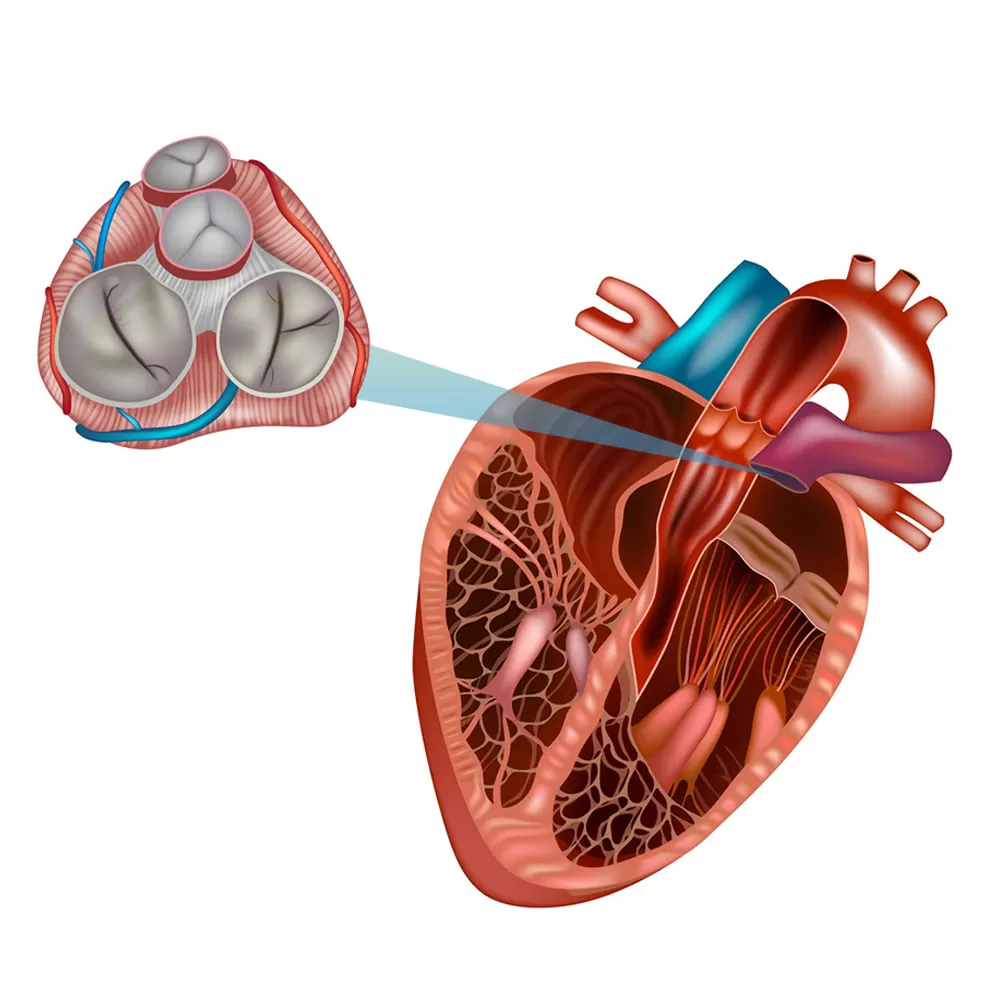
Chest pain may feel alarming, and knowing when to reach out to a cardiologist can help protect your health. Chest discomfort sometimes signals a heart problem, but it is not the only warning sign. Recognizing related symptoms and risk factors will help you know when a specialist’s advice may be needed. Here’s when you should see a cardiologist for chest pain:
Don’t Ignore Chest Pain
Chest pain can feel sharp, dull, pressure-like, or burning. While heartburn or muscle strain can cause discomfort in your chest, heart-related pain is often more persistent. Sometimes, chest pain appears with activity and improves with rest. If you have noticed any of these patterns, it is best not to delay seeking medical advice.
Symptoms That Should Prompt a Cardiologist Visit
Alongside chest pain, pay attention to these symptoms: Ignoring warning signs could lead to serious consequences, as some symptoms may indicate underlying heart conditions that require timely treatment. Early detection and intervention can significantly improve outcomes and potentially save lives.
- Severe or persistent heart pain: Intense, ongoing discomfort in the chest may signal a more serious issue.
- Shortness of breath: Struggling to catch your breath, especially if it happens suddenly, might suggest heart or lung involvement.
- Lightheadedness or dizziness: Feeling faint, weak, or dizzy may indicate reduced blood flow.
- Pain spreading to other areas: If pain moves to your left arm, jaw, back, or neck, it could reflect heart trouble.
- Sweating or nausea: Unexplained sweating or feeling sick to your stomach with chest discomfort should not be ignored.
Those at a Higher Risk
Some factors increase the chances of heart problems. If you have a family history of heart disease, raised blood pressure, cholesterol, or conditions like diabetes, your risk is higher. Smokers and those living with obesity should also be watchful. Regular check-ups with your doctor help monitor these risks. If your chest pain is mild and goes away quickly, write down what you felt, when it happened, and any activities you were doing. Share this information with your doctor. For lingering or intense symptoms, don’t wait.
How a Cardiologist Helps
A cardiologist offers expertise in diagnosing and treating heart-related problems. This specialist will listen to your story, review your medical history, and may order tests like an electrocardiogram (ECG) or an echocardiogram. Their goal is to find the source of your symptoms and create a plan for your heart health.
Heart-Healthy Lifestyle
Maintaining a heart-healthy lifestyle benefits everyone. Eat a balanced diet, keep moving, and know your numbers. If your family history puts you at higher risk, regular screenings and honest conversations with your healthcare provider support your health.
- Chest pain deserves attention, especially if it is severe, long-lasting, or paired with other symptoms.
- Shortness of breath, spreading pain, lightheadedness, sweating, or nausea may indicate a more serious heart issue.
- People with a family history of heart disease, high blood pressure, or high cholesterol should be particularly aware of heart symptoms.
- Prompt action and talking to a cardiologist help protect your heart.
Schedule an Appointment with a Cardiologist
If you are concerned about chest pain or your risk factors, reaching out to a cardiologist is a smart step toward protecting your health and well-being. They can provide guidance, recommend lifestyle changes, and perform necessary tests to assess your heart health. Ask a cardiologist about more ways to address chest pain.