
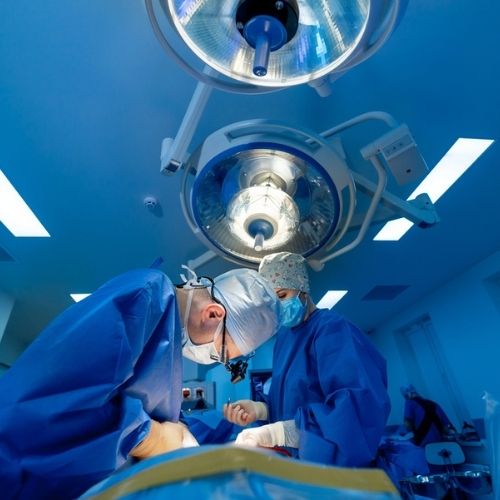
Robotic surgery represents a significant advancement in medical technology, offering a sophisticated tool for surgeons performing minimally invasive procedures. This approach utilizes a robotic system controlled by a surgeon to enhance precision, flexibility, and control during operations. Here is more information on the operational benefits of robotic surgery:
Enhanced Surgical Precision
Robotic surgery systems provide surgeons with a greater degree of precision than is possible with traditional laparoscopic techniques. The system’s robotic arms, equipped with surgical instruments, can rotate and bend in ways that the human wrist cannot. This enhanced range of motion allows surgeons to operate in tight spaces within the body with greater accuracy.
The surgeon controls these instruments from a console, which provides a high-definition, 3D-magnified view of the surgical site. This magnified view offers superior visual clarity of tissues and organs, allowing the surgeon to see anatomical structures in greater detail. The technology filters out natural hand tremors, which contribute to steadier movements during delicate procedures. The system translates the surgeon’s hand movements into precise, micro-movements of the instruments inside the patient’s body. This level of control is beneficial when performing complex dissections or reconstructions.
Improved Patient Recovery
Minimally invasive surgery, including robotic-assisted procedures, is associated with specific patient outcomes. Since robotic surgery involves smaller incisions compared to traditional open surgery, patients may experience less postoperative pain. The reduced trauma to the body’s tissues often results in a lower need for pain medication during recovery. Smaller incisions also lead to less blood loss during the procedure, which can reduce the likelihood of needing a blood transfusion.
Another potential benefit is a reduced risk of infection. Smaller incisions present a smaller entry point for bacteria, which can lower the chance of surgical site infections. Patients who undergo robotic surgery may also experience shorter hospital stays. A quicker recovery can allow patients to return to their normal activities sooner. Additionally, the smaller incisions result in less scarring, which can be an appealing cosmetic outcome for many patients. These factors combined contribute to a smoother and often faster recovery period following surgery.
Upgraded Surgical Process
The integration of robotic technology can improve the overall surgical workflow. The ergonomic design of the surgeon’s console helps reduce surgeon fatigue, especially during long and complex operations. By sitting comfortably at a console rather than standing over the patient for hours, the surgeon can maintain a higher level of concentration throughout the procedure. This improved ergonomic setup can contribute to sustained performance and focus.
The technology also offers training benefits. Surgical simulators and recorded procedures provide valuable educational tools for surgeons in training. They can practice procedures in a controlled, virtual environment before operating on patients. This helps them develop their skills and familiarity with the robotic system.
Learn About Robotic Surgery
Robotic surgery is an advanced form of minimally invasive surgery that offers distinct advantages in terms of precision, patient recovery, and the surgical environment. By providing surgeons with enhanced visualization and control, the technology allows for meticulous and steady movements during complex operations. For patients, the use of smaller incisions can lead to less pain, reduced scarring, and a quicker return to daily life.