
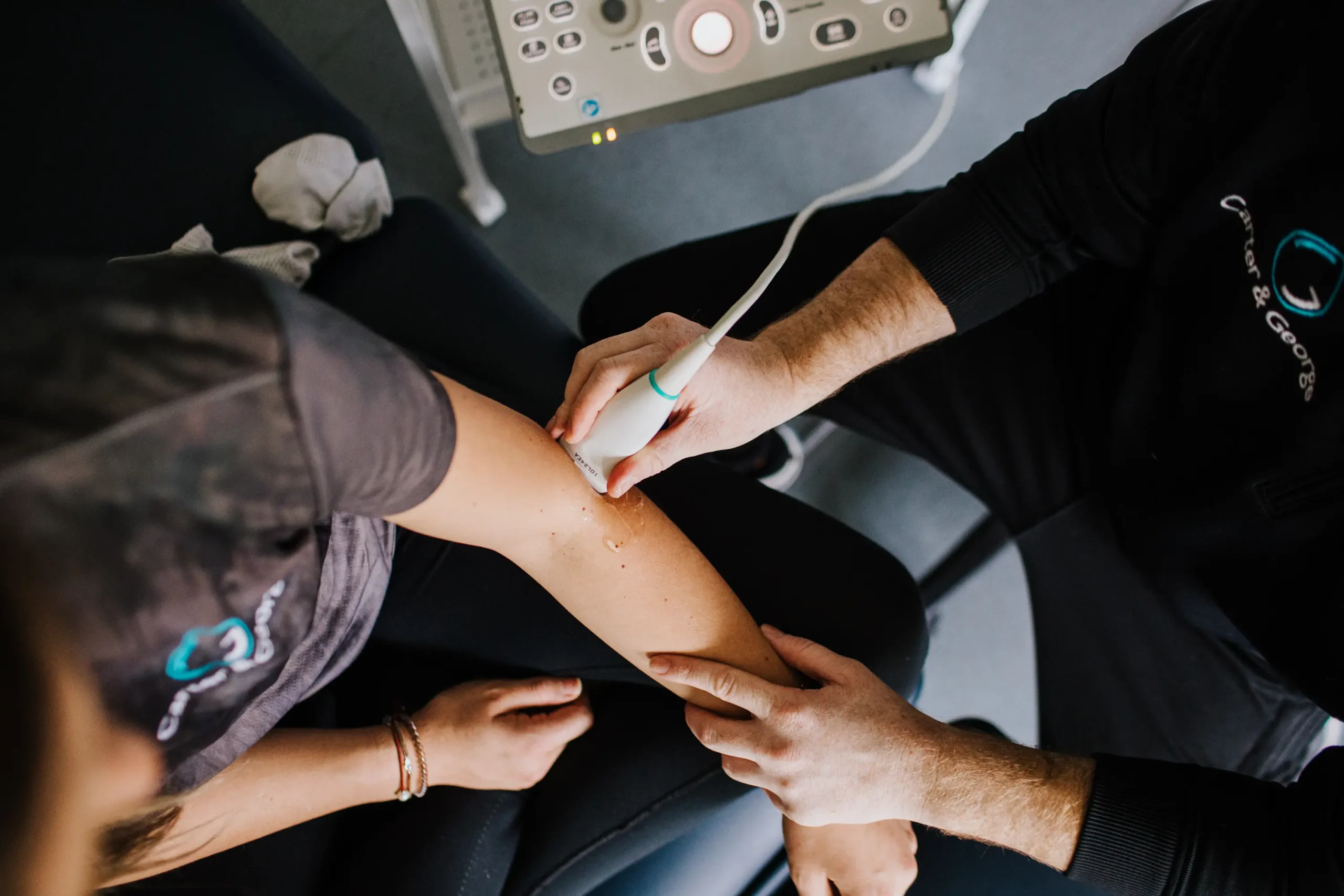
Regular physical examinations are a component of preventive healthcare. These check-ups offer an opportunity for healthcare providers to assess a person’s overall health status, identify potential health issues early, and provide guidance on maintaining a healthy lifestyle. Here is more information on the function of physical exams, what they typically entail, and their place within a broader preventive health strategy:
Establishing a Health Baseline
One of the primary functions of a regular physical exam is to establish a baseline for an individual’s health. During an initial visit, a healthcare provider will gather comprehensive information about a person’s medical history, family health history, and lifestyle habits. This includes diet, exercise, smoking, and alcohol consumption. The physical part of the examination involves measuring key health indicators such as:
- Blood Pressure: A routine check that measures the pressure in the arteries as the heart pumps.
- Heart Rate: Measures the number of times the heart beats per minute.
- Respiration Rate: The number of breaths a person takes per minute.
- Temperature: An indicator of the body’s basic metabolic state.
These measurements, along with height and weight, create a snapshot of a person’s health at a specific point in time. In subsequent examinations, the provider can compare new measurements to this baseline.
Early Detection of Health Issues
Physical exams play a part in the early detection of potential health conditions. Many health problems do not present obvious symptoms in their initial stages. A routine check-up provides a structured occasion for a healthcare provider to look for signs of these conditions. A physical examination of the skin can identify unusual moles or lesions that may need further evaluation for skin cancer.
Screening tests are also a standard part of preventive care and are often performed during or recommended after an exam. Depending on a person’s age, sex, and risk factors, these might include blood tests to check cholesterol levels, blood sugar, and kidney function. A provider might also recommend cancer screenings like mammograms, Pap tests, or colonoscopies.
Health Education and Counseling
This exam provides a dedicated time for individuals to discuss their health concerns with a medical professional. This interaction is a key opportunity for health education. A provider can offer personalized advice on topics like nutrition, physical activity, stress management, and substance use. If a patient mentions feeling stressed, the provider can suggest coping strategies or refer them to mental health resources.
This counseling helps people make more informed decisions about their daily lives. The provider can also review vaccination records and administer any necessary immunizations to protect against infectious diseases. The goal of this educational component is to empower individuals with the knowledge and tools they need to take an active role in their own health. By addressing lifestyle factors and providing guidance, healthcare providers can help people reduce their risk for developing chronic diseases and maintain their well-being over time.
Get a Physical Exam
Regular physical exams serve multiple functions within a preventive health framework. They help establish a health baseline, facilitate the early detection of medical conditions, and offer a platform for patient education and counseling. By engaging in these routine check-ups, individuals can work with their healthcare providers to support their long-term wellness.