
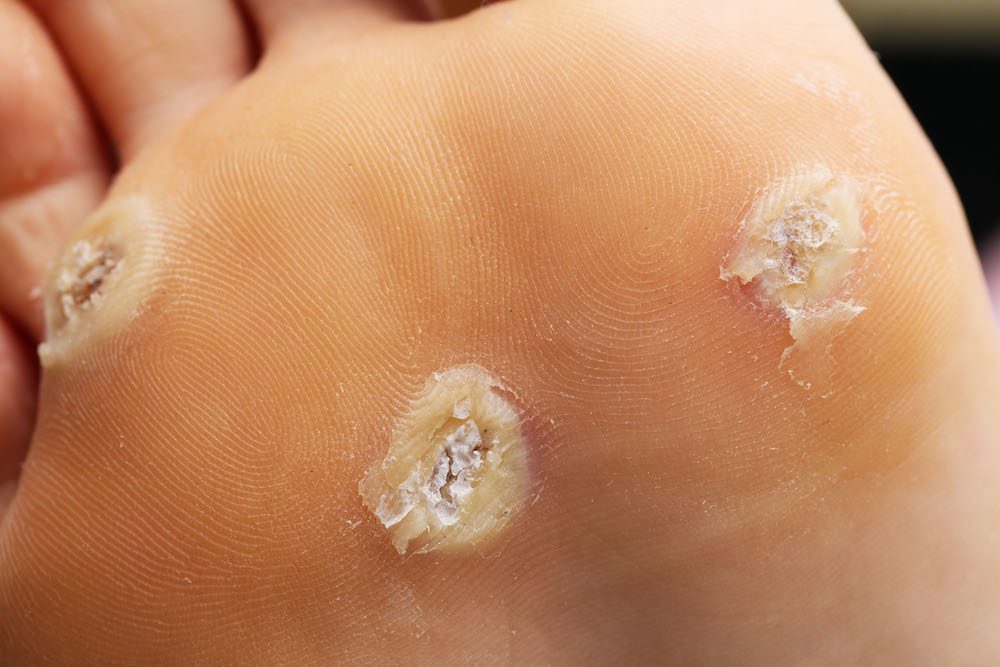
Warts are small, benign growths on the skin caused by the human papillomavirus (HPV). Foot warts, also known as plantar warts, develop on the soles of the feet and can cause discomfort while walking or standing, impacting daily mobility. Here is information on warts with a focus on the relationship between them and overall foot health:
What Causes Foot Warts?
The human papillomavirus enters the skin through small cuts, breaks, or weak spots on the bottom of your feet. This virus thrives in warm, moist environments, making public pools, locker rooms, and communal showers common transmission sites. Your immune system plays a key role in determining whether exposure to HPV results in wart development.
Susceptibility
Certain factors increase your susceptibility to foot warts. People with compromised immune systems, those who walk barefoot in public areas, and individuals with existing foot injuries face higher risks. Children and teenagers also experience increased vulnerability due to their developing immune systems and frequent exposure to communal spaces.
Symptoms
The virus can remain dormant in your system for weeks or months before warts appear. This delayed onset means you may not immediately connect wart development to a specific exposure incident. Some common symptoms of plantar warts are:
- Pain From Foot Pressure
- Tenderness Around the Wart
- Thickened, Hard Skin by the Wart
- Grainy Lesions on the Wart
- Small, Black Dots Spaced Around the Wart
How Can Foot Health Affect Wart Growth?
Your overall foot health has a direct influence on wart development and progression, as proper foot hygiene creates an environment less conducive to viral growth and transmission. Dry, clean feet with intact skin provide better protection against HPV infection. Regular foot care, including proper cleaning, moisturizing, and nail maintenance, supports your natural defenses against viral infections. Wearing breathable footwear and moisture-wicking socks helps maintain optimal foot conditions.
Existing foot conditions can exacerbate wart problems. Excessive moisture from conditions like hyperhidrosis, or excessive sweating, creates ideal conditions for viral proliferation. Dry, cracked skin provides entry points for the virus, while calluses and corns can mask the development of warts. A poor autoimmune response or inadequate circulation can slow healing and make wart treatment more challenging.
What Are Some Treatment Options?
Healthcare providers typically diagnose foot warts through visual examination and medical history review. The distinctive appearance of plantar warts, which are small, grainy growths with tiny black dots, usually allows for straightforward identification. In some cases, providers may pare down the growth to examine the underlying tissue or perform a biopsy to confirm the diagnosis.
Topical Treatment
Topical treatments involve applying medications directly to the surface of the wart. Over-the-counter salicylic acid preparations gradually break down the infected tissue, allowing healthy skin to emerge. These treatments require consistent daily application over several weeks or months to be effective. Prescription topical medications offer more potent formulations, with chemicals like cantharidin, to treat stubborn warts. Benefits include the convenience of home application, minimal discomfort during treatment, and a lower risk of scarring compared to surgical options.
Extraction Treatment
Surgical extraction involves physically removing wart tissue through various techniques, including scraping or excision. Healthcare providers typically use local anesthesia to minimize discomfort during the procedure. This approach offers the benefit of immediate wart removal and can be effective for large or deeply rooted growths.
Cryotherapy
Cryotherapy uses liquid nitrogen to freeze and destroy wart tissue, utilizing the extreme cold to cause infected cells to die. This allows healthy tissue to regenerate. The benefits of cryotherapy include high success rates, relatively quick treatment sessions, and effectiveness against various types of warts. The procedure can cause temporary discomfort and may result in blistering or temporary skin discoloration.
Schedule a Podiatry Appointment
A professional evaluation provides an accurate diagnosis and treatment selection based on your specific wart situation. Podiatrists can assess your overall foot health, identify contributing factors, and develop comprehensive treatment plans that address warts and any underlying foot health concerns. Contact a podiatrist today and discuss what is impacting your foot health.