
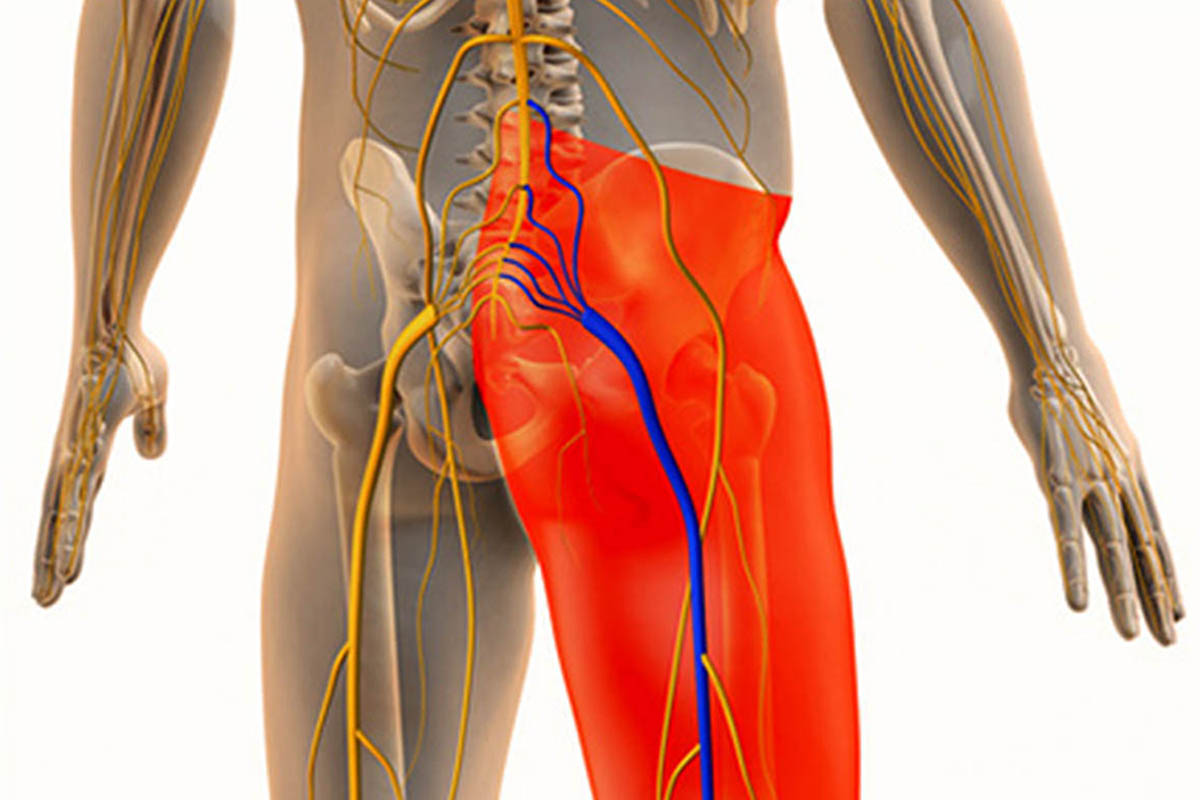
Leg pain can often signal underlying issues with circulation, which affects the delivery of oxygen and nutrients to muscles and tissues. Poor blood flow may result from conditions such as peripheral artery disease, varicose veins, or prolonged inactivity. When circulation is restricted, muscles can cramp, feel heavy, or tire quickly during physical activity. Patients may also notice swelling, tingling, or a feeling of coldness in the legs. Understanding the connection between leg pain and circulation helps guide appropriate care strategies. Early recognition of symptoms can prevent more serious complications, such as tissue damage or mobility limitations. Identifying patterns in discomfort, such as pain that worsens after walking or standing, provides valuable information for healthcare providers.
How Do Specialists Diagnose Circulation-Related Leg Pain?
Healthcare providers begin by reviewing medical history and conducting a physical examination to check for signs of poor circulation. Observing skin color, temperature, and swelling offers initial clues about blood flow. Diagnostic tools like Doppler ultrasound, ankle-brachial index tests, or other imaging techniques help assess the severity and location of circulatory issues.
Providers may also evaluate lifestyle factors, including activity levels, diet, and smoking habits, which influence circulation. Early and accurate diagnosis helps make sure that appropriate interventions are recommended. Understanding the root cause of leg pain allows patients to manage symptoms more effectively. Consistent monitoring also helps track progress and prevent worsening of the condition over time.
What Treatments Can Improve Circulation and Reduce Leg Pain?
Treatment approaches vary depending on the underlying cause of poor circulation. Lifestyle modifications, including regular exercise and dietary adjustments, often play a central role. For some patients, compression garments or supportive socks can improve blood flow and reduce swelling.
In certain cases, medications may be recommended to support vascular health or address specific circulatory conditions. Specialized procedures or therapies can also be considered for more severe issues. Healthcare providers focus on both immediate relief from pain and long-term strategies to enhance circulation.
Patients are encouraged to follow a comprehensive plan. That plan could include daily habits with professional guidance. This approach helps manage discomfort while promoting overall vascular health.
How Can Daily Habits Support Healthy Circulation?
Daily habits significantly influence leg health and circulation. Regular physical activity, such as walking, stretching, or low-impact exercises, helps maintain strong blood flow to the legs. Elevating the legs periodically can reduce pressure and prevent fluid buildup. Staying hydrated supports proper circulation, while limiting prolonged sitting or standing prevents stiffness and fatigue.
Choosing a balanced diet rich in nutrients that support vascular health can complement medical advice. Avoiding smoking and excessive alcohol consumption also contributes to better circulation. By incorporating these practices, patients can alleviate symptoms and reduce the risk of future complications. A combination of lifestyle adjustments and professional care strengthens leg function and overall mobility.
Address Leg Pain and Circulation Issues
Pain can impact daily activities and overall quality of life, especially when linked to poor circulation. Early evaluation by a healthcare provider helps make sure that underlying causes are identified and treated appropriately. A comprehensive approach, combining lifestyle adjustments, targeted therapies, and ongoing monitoring, offers both relief and long-term vascular support. Understanding the connection between circulation and leg pain empowers patients to take proactive steps toward health. Don’t ignore persistent discomfort in your legs—seek guidance today to improve circulation, reduce pain, and maintain mobility. Taking action now helps prevent complications and promotes lasting wellness.