
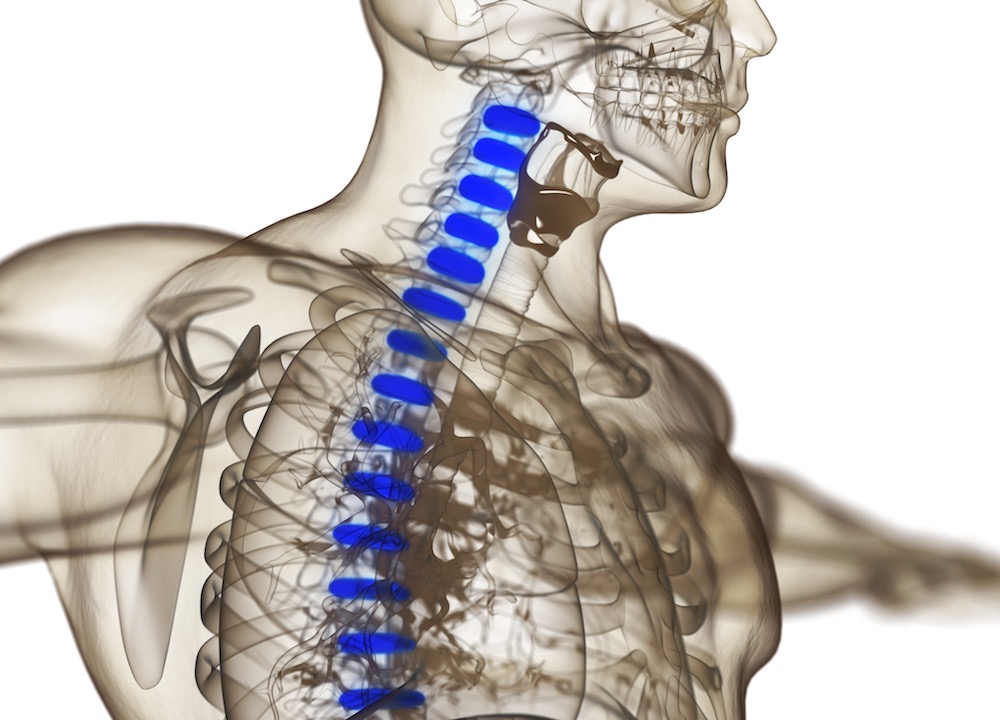
The cervical spine, the portion of the spine located in the neck, is particularly delicate and prone to a few issues. One of which is a herniated disc. This condition is more commonly associated with the lower back, but it can also affect the neck. Understanding what a herniated disc is and how it manifests within the cervical spine may provide clarity and a basis for seeking professional assessment.
What Is a Herniated Disc?
A herniated disc arises when part of the intervertebral disc presses against surrounding structures. They are also commonly known as slipped or ruptured discs. Each spinal disc is composed of a soft core encased within a tougher outer layer. These discs act as cushions between the vertebrae, absorbing impact and aiding in smooth movement. When the outer layer weakens or suffers damage, the inner material may protrude outward.
This displacement can sometimes exert pressure on nearby nerves or the spinal cord itself, potentially leading to discomfort or physical limitations. Degenerative processes related to aging are a common cause of herniation. Certain activities, like repetitive lifting or twisting, may also increase the risk. Traumatic incidents are also known to contribute to the development of herniated discs.
What Are the Symptoms?
When a herniated disc occurs in the cervical spine, it may lead to a range of symptoms. The symptoms that arise may depend on the severity of damage and the nerves affected. Some of the more commonly reported symptoms include:
- Neck Pain: Persistent or intermittent pain in the neck can often signal this condition.
- Radiating Pain: Many individuals with a cervical herniated disc experience pain that radiates to the shoulders, arms, or even hands. This occurs when the herniated material places pressure on spinal nerves that lead to these areas.
- Numbness or Tingling: A slipped disc can result in sensations of numbness or tingling that extend along the nerve pathways.
- Weakness: Muscle weakness in the affected areas may develop if nerve compression persists.
Since these signs can overlap with other conditions, an accurate diagnosis from a qualified professional is highly recommended to determine the underlying cause.
How Are They Treated?
Treatment for a cervical herniated disc often depends on the severity of the symptoms and how much they interfere with daily life. There are various ways to manage this condition, ranging from conservative methods to surgical interventions. Some prominent treatment methods are:
- Physical Therapy: A tailored physical therapy program can improve neck strength and flexibility, potentially easing nerve pressure and promoting recovery.
- Medications: Over-the-counter pain relievers or anti-inflammatory medications may help in managing discomfort. Healthcare providers may also prescribe medications to alleviate severe pain or muscle spasms.
- Epidural Steroid Injections: These injections can deliver targeted relief to reduce inflammation around the affected nerve.
If non-invasive treatments fail to improve symptoms, surgery may become an option. Surgical decisions are typically made after careful evaluations and discussions with a spine specialist.
Talk to a Spine Specialist
Experiencing persistent neck pain or discomfort may disrupt daily routines and reduce quality of life. Consulting a spine specialist is an effective way to explore appropriate treatment options tailored to your specific situation. By addressing concerns early with a qualified professional, individuals can better manage symptoms and take proactive steps toward improved spine health.