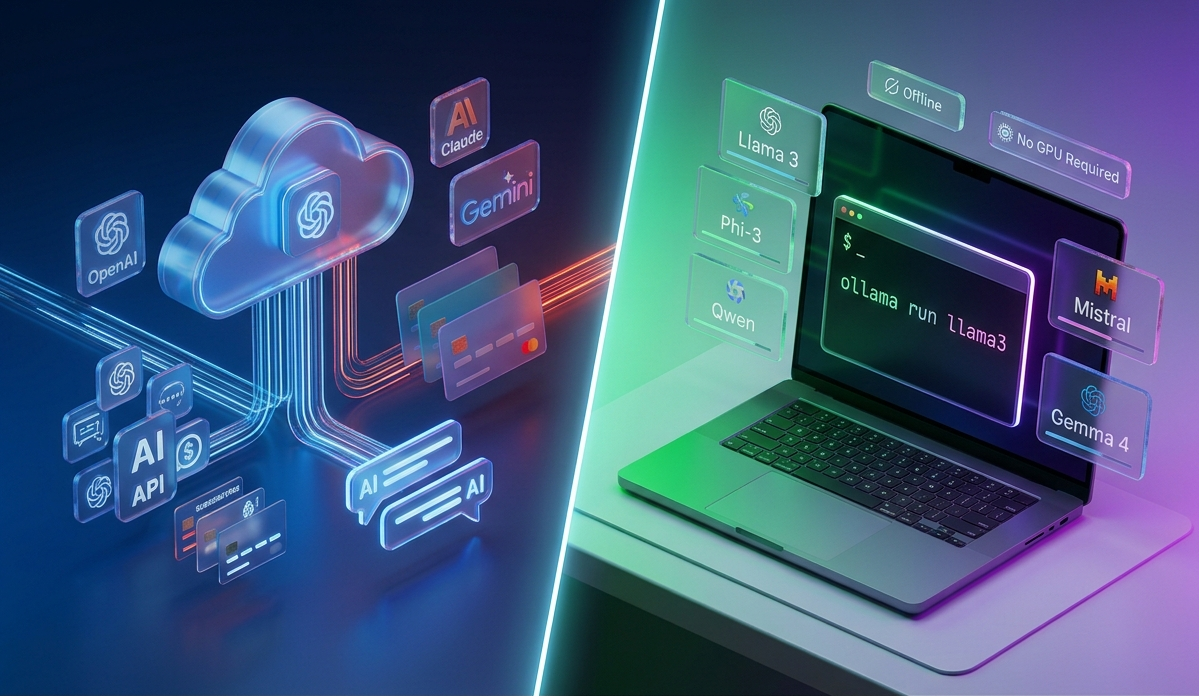

Artificial intelligence (AI) is no longer a futuristic concept reserved for large technology companies. Today, businesses of every size are discovering practical ways to use AI to improve efficiency, reduce costs, and deliver better customer experiences. Whether it’s automating repetitive tasks, analyzing large amounts of data, or providing personalized recommendations, AI is transforming how organizations operate across nearly every industry.
As competition continues to increase, companies that embrace AI are gaining a significant advantage. They can make faster decisions, improve productivity, and respond more effectively to changing customer demands. Rather than replacing people, AI often works alongside employees, allowing them to focus on creative thinking, strategic planning, and high-value activities.
Businesses looking to understand the latest AI trends, digital transformation strategies, and virtual innovation can explore resources available at VirtualAIA.com, where practical insights help organizations adopt modern technologies with confidence.
Why AI Matters for Modern Businesses
Every business generates data through sales, customer interactions, marketing campaigns, inventory management, and financial operations. Traditionally, analyzing this information required significant manual effort and time. AI can process enormous datasets in minutes, identifying patterns and opportunities that humans might overlook.
This ability enables businesses to make informed decisions based on real-time insights instead of relying solely on intuition. As markets evolve rapidly, having accurate information at the right moment can make the difference between success and missed opportunities.
Automating Repetitive Tasks
One of AI’s biggest advantages is automation. Many daily business activities are repetitive and time-consuming, including:
- Data entry
- Invoice processing
- Appointment scheduling
- Email categorization
- Report generation
- Inventory updates
AI-powered automation reduces manual work while minimizing human errors. Employees can then dedicate more time to strategic initiatives that require creativity and problem-solving.
Automation also improves consistency, ensuring routine tasks are completed accurately every time.
Improving Customer Service
Customer expectations continue to rise. People want fast responses, personalized recommendations, and support whenever they need it.
AI helps businesses achieve these goals through:
AI Chatbots
Modern chatbots answer common customer questions around the clock without requiring human intervention. They can assist with:
- Product information
- Order tracking
- Appointment booking
- Frequently asked questions
- Basic troubleshooting
When more complex issues arise, conversations can be transferred seamlessly to human representatives.
Personalized Experiences
AI analyzes customer behavior to recommend products, services, and content based on individual preferences. Personalized experiences often lead to higher customer satisfaction and increased sales.
Better Decision-Making Through Data
Business leaders constantly face decisions involving marketing, hiring, budgeting, pricing, and expansion.
AI helps by:
- Identifying market trends
- Forecasting demand
- Detecting unusual patterns
- Predicting customer behavior
- Highlighting operational inefficiencies
Instead of relying only on historical reports, businesses can use predictive analytics to prepare for future opportunities and challenges.
Enhancing Marketing Performance
Marketing has become increasingly data-driven, and AI plays a major role in improving campaign performance.
AI can assist marketers by:
- Identifying target audiences
- Optimizing advertising budgets
- Personalizing email campaigns
- Generating content ideas
- Measuring campaign effectiveness
- Predicting customer engagement
These capabilities help businesses maximize their return on investment while delivering more relevant content to potential customers.
Streamlining Supply Chain Management
Supply chains involve numerous moving parts, from suppliers and manufacturers to warehouses and customers.
AI improves supply chain operations by helping businesses:
- Forecast inventory needs
- Reduce stock shortages
- Optimize delivery routes
- Predict equipment maintenance
- Monitor supplier performance
More accurate forecasting reduces waste while improving customer satisfaction through timely deliveries.
Strengthening Cybersecurity
As businesses become increasingly digital, cybersecurity has become a major concern.
AI enhances security by monitoring network activity continuously and identifying suspicious behavior in real time. It can detect unusual login attempts, recognize malware patterns, and alert security teams before threats become serious incidents.
Organizations implementing AI alongside strong cybersecurity practices are often better prepared to respond to evolving cyber risks.
Supporting Human Resources
Human resource departments also benefit from AI-powered tools.
AI can assist with:
- Resume screening
- Candidate matching
- Employee onboarding
- Performance analysis
- Workforce planning
- Learning recommendations
These tools reduce administrative workloads while helping HR professionals make more informed hiring decisions.
Financial Management and Forecasting
Finance teams use AI to improve budgeting, forecasting, and financial reporting.
Common applications include:
- Expense categorization
- Fraud detection
- Cash flow forecasting
- Risk assessment
- Invoice automation
- Financial analysis
By identifying patterns in financial data, AI helps organizations manage resources more effectively and reduce unnecessary expenses.
Encouraging Innovation
AI isn’t only about efficiency—it also supports innovation.
Businesses use AI to:
- Develop new products
- Improve existing services
- Test new business models
- Analyze customer feedback
- Identify emerging market opportunities
Companies willing to experiment with AI often discover entirely new ways to create value for customers.
Challenges Businesses Should Consider
Although AI offers many advantages, successful implementation requires thoughtful planning.
Organizations should consider:
- Data quality
- Employee training
- Privacy regulations
- Ethical AI practices
- Integration with existing systems
- Long-term maintenance
A gradual implementation strategy often produces better results than attempting to automate everything at once.
Building an AI Strategy
Businesses interested in adopting AI should begin by identifying their biggest operational challenges.
A practical roadmap typically includes:
- Identifying repetitive processes.
- Setting measurable business objectives.
- Selecting suitable AI tools.
- Training employees.
- Monitoring performance.
- Continuously improving implementation.
Starting with small projects allows organizations to gain experience before expanding AI across multiple departments.
Industry guidance from organizations such as the National Institute of Standards and Technology (NIST) can also help businesses understand trustworthy AI practices and responsible implementation.
Conclusion
Artificial intelligence is reshaping business operations by improving efficiency, enhancing customer experiences, strengthening decision-making, and creating new opportunities for innovation. Organizations that thoughtfully integrate AI into their workflows can reduce operational costs while increasing productivity and competitiveness.
Rather than viewing AI as a replacement for human expertise, businesses should see it as a powerful tool that supports smarter decisions and more effective operations. As AI technology continues to evolve, companies that embrace responsible adoption will be better positioned for long-term growth and success.