
Cancer research and treatment have advanced significantly in recent years, offering new possibilities for care and patient outcomes. Technology and innovative approaches to therapy are transforming how oncologists manage this complex disease. This article reviews some of the latest developments in cancer treatment, with a focus on breakthroughs in therapies, radiation advancements, and supportive care innovations.
What Are the Latest Breakthroughs in Cancer Treatment?
Innovation in cancer treatment has introduced groundbreaking approaches that enhance effectiveness and precision. Researchers and clinicians are identifying new ways to target cancer cells while minimizing harm to healthy tissue, using increasingly personalized methods.
Key breakthroughs and their benefits include:
- Immunotherapy advancements: Immunotherapies enhance the body’s natural defense system to identify and attack cancer cells. Tailored to patient-specific markers, these therapies are offering new potential in hard-to-treat cancers.
- Targeted therapies: These involve drugs or molecules designed to interfere with specific proteins or genes that promote cancer cell growth. They work by focusing directly on the interactions driving the disease.
- Gene therapy approaches: Innovations in gene editing and therapy are being explored to correct genetic abnormalities or introduce new genes to combat cancer cells more effectively. These therapies are currently being refined through clinical trials.
- Nanotechnology: With applications in drug delivery, nanotechnology offers precision in transporting treatments directly to cancer cells. This can reduce side effects while improving the efficacy of drugs.
Each of these approaches builds on an ongoing pursuit to develop more personalized and efficient care solutions. These treatments are often used in conjunction with other established methods to enhance overall treatment outcomes for patients.
What Advances Have Been Made in Radiation Therapy?
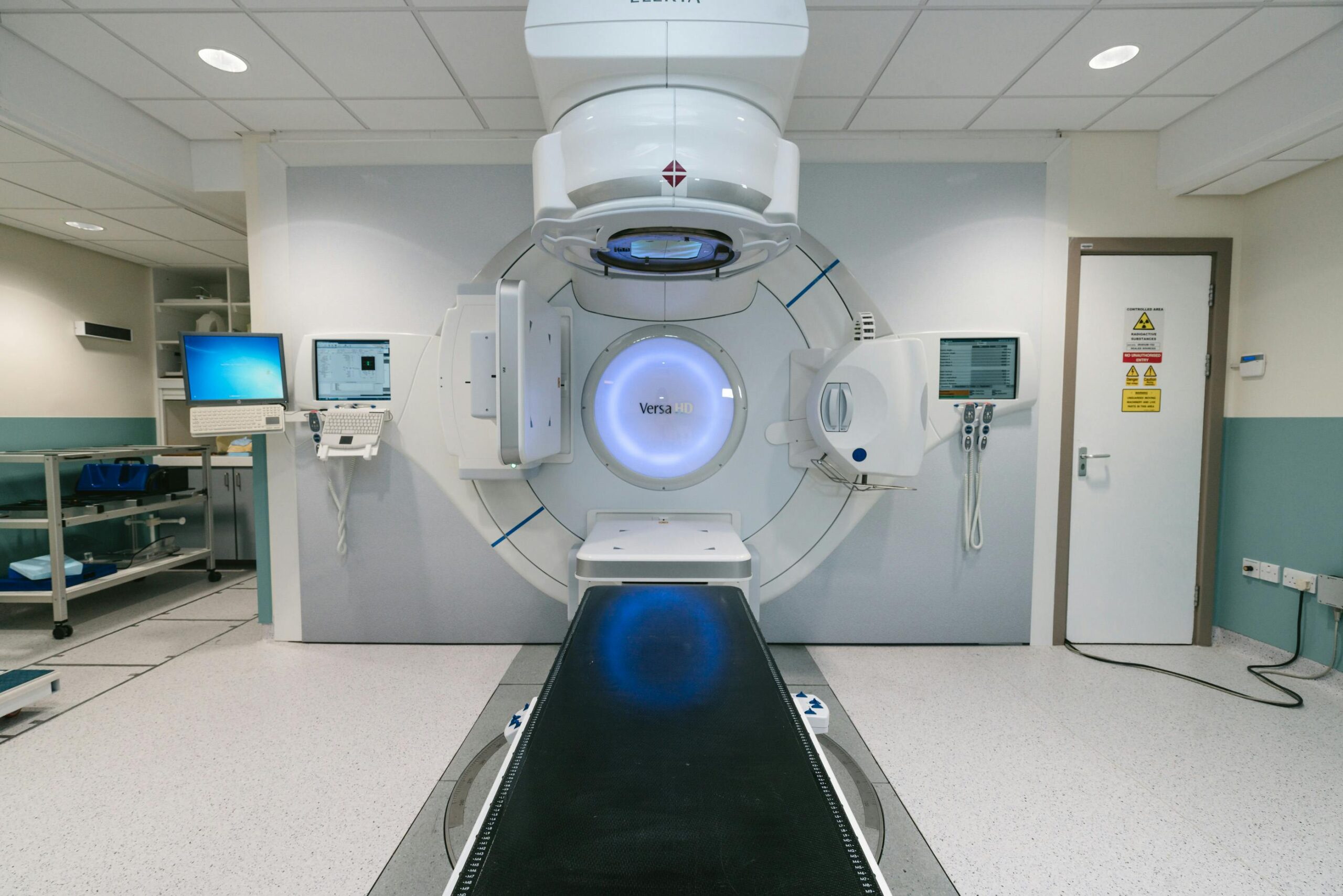
Radiation therapy continues to evolve through technological improvements, delivering precise results with fewer side effects. Modern techniques focus on maximizing accuracy while protecting surrounding tissues. Significant improvements are shaping its role in cancer treatment.
One development is image-guided radiation therapy (IGRT), which improves accuracy by using imaging technology during treatment to monitor tumor changes closely. Adaptive radiation therapy (ART) is another advancement, allowing for real-time adjustments to therapy plans to enhance precision in response to changes in tumor size or position.
Stereotactic body radiation therapy (SBRT), which uses highly-focused radiation doses over fewer sessions, is contributing to shorter treatment times. These advances are reducing the burden of therapy for patients while improving its effectiveness. They also provide oncologists with additional tools to optimize how radiation is used in comprehensive cancer care.
What Supportive Care Innovations Are Improving Quality of Life?
Innovative approaches in supportive care are enhancing the quality of life for individuals undergoing cancer treatment. These solutions address physical, emotional, and practical challenges commonly experienced by patients. One area of improvement is in pain and symptom management.
New pharmacologic options and palliative care approaches are helping patients manage discomfort more effectively. Nutritional support programs are tailored to individual diagnoses, helping maintain energy levels and overall well-being during treatment courses. Enhanced rehabilitation services, including physical therapy, are also aiding in recovery and maintaining functionality.
Technology-driven methods are contributing as well. Mobile apps and wearable devices allow real-time tracking of symptoms and treatment side effects.
These tools empower patients and provide oncologists with actionable data to personalize interventions. Virtual support networks and telehealth consultations have also extended access to expertise and community resources. These innovations collectively help patients address non-medical challenges associated with treatment, creating a fuller, more comprehensive approach to cancer care.
Consult a Provider for Details
Cancer treatment continues to advance, offering new tools and methods for targeting disease and improving patient support. Medical oncologists, radiation oncologists, and surgical oncologists all play a role in integrating these innovations into comprehensive treatment plans. Contact a trusted oncology provider to learn more about how these treatments and technologies can be incorporated into patient care.
Recommended Articles