Osteopathic medicine takes a whole-person approach to healthcare, emphasizing the connection between the body’s structure and its function. In pain management, osteopathic physicians use a combination of medical treatments and hands-on techniques, such as osteopathic manipulative medicine (OMM), to address underlying causes rather than just symptoms. Understanding the role of osteopathic care in pain management highlights how this approach can enhance mobility, alleviate discomfort, and enhance overall well-being.
Understanding Osteopathic Medicine
Osteopathic medicine is a complete system of healthcare that treats the entire person. Doctors of Osteopathic Medicine (DOs) receive the same medical training as traditional doctors but also learn osteopathic manipulative medicine (OMM). This further training focuses on understanding how the musculoskeletal system affects overall health.
The fundamental principle of osteopathy centers on the body’s ability to heal itself when properly aligned. DOs examine how bones, muscles, and connective tissues work together. They identify areas where restrictions or imbalances disrupt normal function. Osteopathic medicine recognizes that structure and function are closely related. When the body’s structure is compromised, function suffers.
Treatments With an Osteopathic Approach
Back pain responds particularly well to osteopathic treatment. People can experience relief from acute and chronic back pain through OMM. The hands-on techniques help release muscle tension and improve spinal alignment. This approach addresses the mechanical causes of pain rather than relying solely on pain medications.
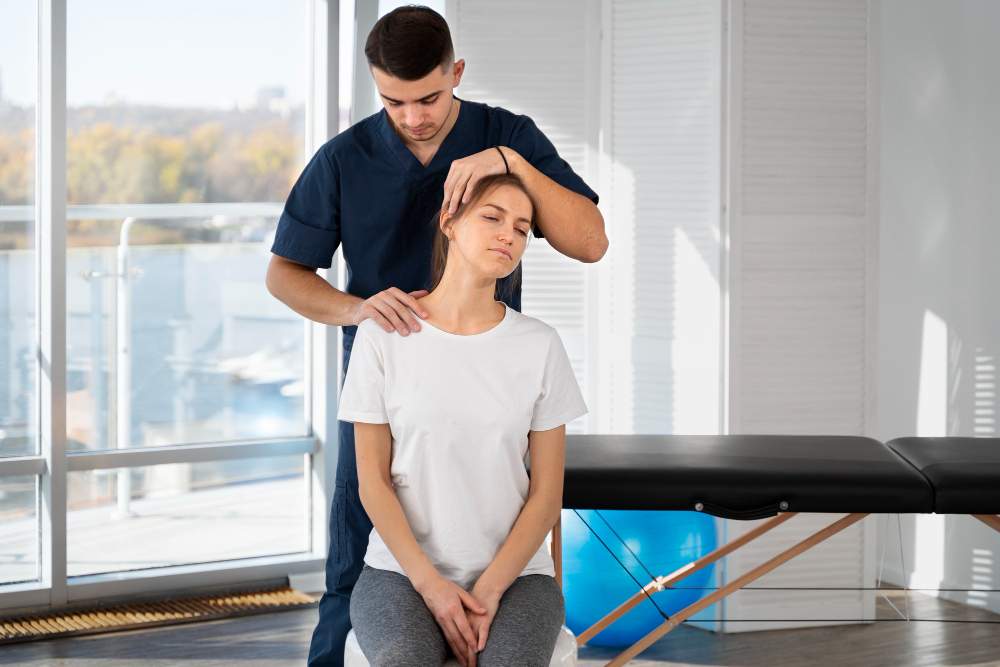
Headaches often stem from tension in the neck, shoulders, or skull. An osteopathy specialist evaluates these areas to identify restrictions that contribute to headache patterns. Treatment focuses on releasing tension and improving blood flow to reduce headache frequency and intensity.
Joint pain in areas like the shoulders, hips, and knees also benefits from OMM. DOs assess how the entire kinetic chain affects the painful joint. They may treat areas above or below the painful joint to restore proper movement patterns. This comprehensive approach often provides longer-lasting relief.
How It Supports Pain Relief
OMM uses gentle, hands-on techniques to diagnose and treat pain conditions. These techniques include soft tissue stretching, gentle pressure, and resistance movements. The goal is to improve circulation, reduce muscle tension, and restore normal joint motion.
It works by addressing fascial restrictions throughout the body. Fascia is the connective tissue that surrounds muscles, organs, and other structures. When fascia becomes tight or restricted, it affects movement and causes pain. Osteopathic techniques help release these restrictions, allowing for better movement and reduced discomfort.
OMM and Pain Management Plans
Osteopathic medicine works well alone or combined with other pain management approaches. Many patients benefit from integrating OMM with physical therapy, exercise programs, or stress management techniques. This multi-modal approach addresses all aspects of chronic pain.
The treatment plan begins with a thorough evaluation of the patient’s medical history and physical condition. The DO performs hands-on examination to identify areas of restriction or dysfunction. Treatment frequency varies based on the severity of symptoms and individual response to care.
Regular osteopathic treatment helps maintain the improvements gained from initial sessions. Many patients schedule monthly or quarterly visits to prevent pain from returning. This preventive approach helps maintain better function and reduces the need for pain medications over time.
Book Your Osteopathic Medicine Appointment Today
Osteopathic medicine provides a natural and effective approach to pain management, addressing the root causes rather than just the symptoms. The hands-on techniques used in OMM help restore proper function and activate the body’s healing mechanisms. For chronic pain, schedule a consultation with an osteopathy specialist to learn how this approach could help manage your pain naturally.