
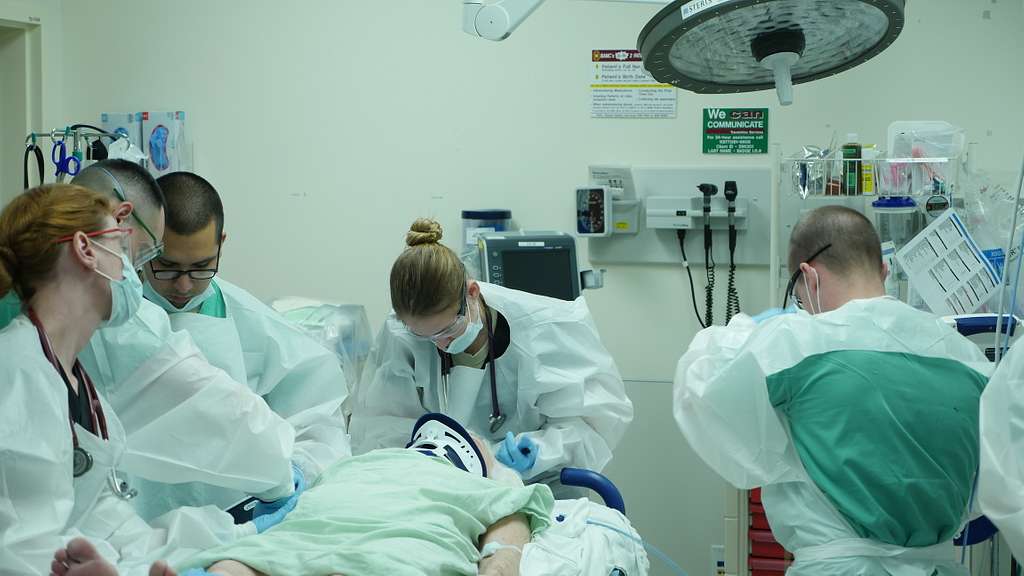
Head trauma can result from a variety of incidents, such as falls or accidents. The severity of the injury may not always be immediately apparent. Monitoring for signs of worsening symptoms to determine if emergency room care is needed.
In some cases, head injuries can lead to complications like brain swelling or internal bleeding. These conditions require immediate medical attention at the emergency room to prevent further damage. Seeking emergency room care quickly can significantly improve outcomes in severe cases.
Signs You Need Emergency Care
Certain symptoms following a head injury may indicate the need for urgent medical care. If you experience any of the signs listed below, seek help right away.
Loss of Consciousness: If someone loses consciousness, even briefly, it could point to a concussion or a more severe brain injury. Prompt evaluation is necessary to rule out internal damage.
Severe Headache: A headache that persists or worsens may suggest internal bleeding or swelling in the brain. Don’t delay seeking medical attention if pain intensifies.
Memory Loss or Confusion: Difficulty recalling the incident or feeling confused can signal a serious brain injury. Immediate medical assessment is needed to prevent further harm.
Repeated Vomiting: Vomiting multiple times after a head injury may be a sign of increasing pressure inside the brain. Seek medical care without hesitation.
Seizures: A seizure following a head injury is a serious warning sign. It could indicate severe brain trauma that requires urgent intervention.
Slurred Speech or Drowsiness: If speech becomes slurred or extreme drowsiness sets in, it could point to significant brain involvement.
Unequal Pupil Size: If one pupil is larger than the other, it could signal neurological damage. This condition requires immediate medical evaluation.
Weakness or Numbness: Sudden weakness, numbness, or difficulty moving parts of the body may indicate brain or nerve damage. These symptoms require urgent care.
Clear Fluid from Nose or Ears: A watery discharge from the nose or ears may indicate a cerebrospinal fluid leak. This is a critical condition that needs immediate attention.
Skull Fractures or Deformities: Visible deformities or fractures to the skull, such as a sunken area, require immediate medical care. These injuries can lead to severe complications.
Children and Head Trauma
Children are more likely to suffer head injuries due to their active nature. If a child exhibits any concerning symptoms, or behaves unusually, seek medical care right away. It’s always better to be cautious when dealing with pediatric head trauma.
What to Expect in the Emergency Room
In the ER, medical professionals will assess the injury thoroughly. They may perform a physical exam to check neurological function and use imaging tests like CT scans or MRIs to look for fractures, swelling, or bleeding. Treatment will depend on the severity of the injury.
When to Stay Home
For mild head injuries without concerning symptoms, you can monitor the person at home. Keep an eye out for any signs of worsening symptoms, as these may develop hours or even days later.
Trust Your Instincts
If you’re unsure whether a head injury requires an ER visit, trust your instincts. Don’t hesitate to seek medical attention if you believe the injury could be serious. Early intervention can prevent long-term damage or complications.
Recommended Articles