
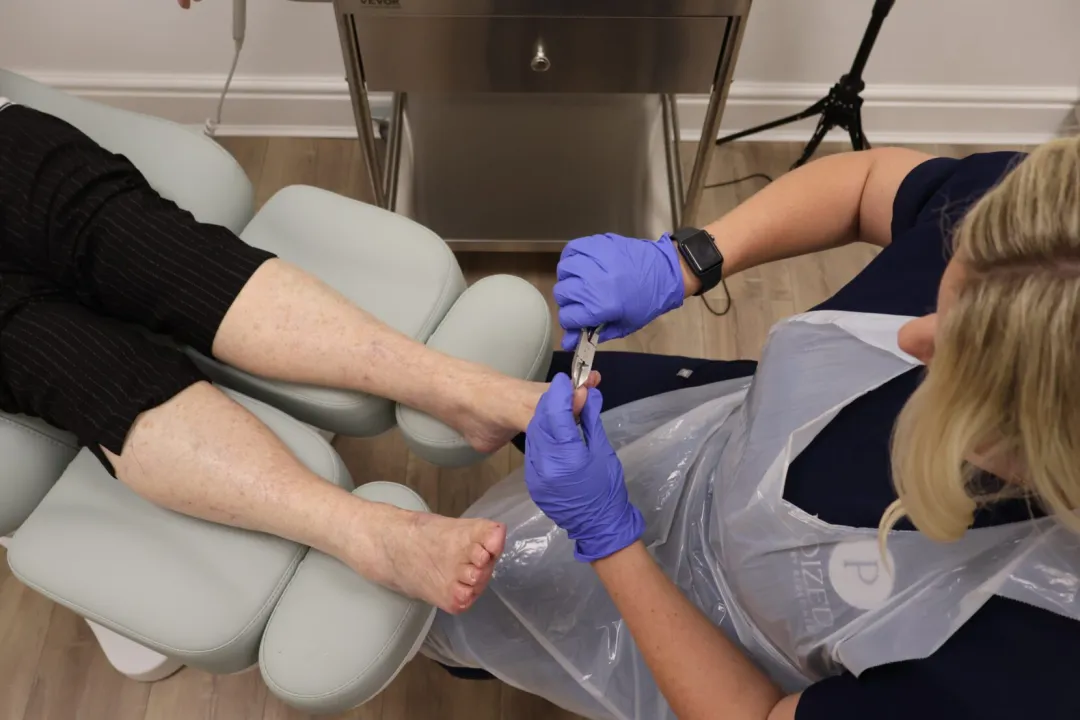
At the start of your appointment, the podiatrist will review your medical history and ask about your symptoms. Be prepared to describe the duration and intensity of your pain, as well as any triggers or activities that either worsen or relieve your discomfort. Your doctor will also want to know about any past injuries or treatments related to your feet.
The Role Of a Podiatrist
A podiatrist is a medical expert who specializes in diagnosing and treating conditions affecting the feet, ankles, and lower legs. They treat a wide range of issues, from injuries and deformities to chronic conditions like diabetes and arthritis. Podiatrists offer both non-surgical and surgical solutions, helping to improve mobility and alleviate pain. If you experience foot or ankle problems, a podiatrist can provide effective, personalized care.
Physical Examination
During the examination, the podiatrist will inspect your feet, ankles, and lower legs for any structural abnormalities, like bunions or flat feet. They’ll also evaluate the health of your skin and nails, checking for signs of infection or conditions like athlete’s foot. If you have diabetes, they maytest your circulation and nerve function. Additionally, the podiatrist should assess your range of motion and muscle strength to understand the full scope of your condition.
Diagnostic Tools
If needed, your podiatrist may recommend additional tests to gain more insight into your condition. X-rays can identify fractures, arthritis, or bone deformities, while ultrasounds assess tendons and ligaments. The doctor might also perform a gait analysis to observe your walking pattern and detect any biomechanical issues that could be causing discomfort.
Treatment Plan
Once the podiatrist diagnoses your condition, they will discuss a treatment plan designed to meet your needs. This plan may involve anti-inflammatory medications, antibiotics for infections, or custom orthotics to correct imbalances in your feet. They might suggest physical therapy exercises to strengthen your feet and increase flexibility. In some cases, minor procedures, like toenail removal or pain injections, might be performed during the visit or scheduled for later.
Follow-Up Care
For acute conditions, a follow-up visit may be necessary to assess your progress and adjust your treatment. If you’re managing a chronic condition, such as plantar fasciitis or diabetic foot care, ongoing visits will help prevent complications. Regular follow-ups help to keep the condition under control and make sure that treatment remains effective.
Tips for a Successful Visit
Be as open and detailed as possible when describing your symptoms. The more information you provide, the better your podiatrist can understand your situation. Follow their advice carefully, especially regarding footwear choices and any prescribed exercises. Don’t be afraid to ask questions about long-term foot care and how you can maintain foot health.
Take the First Step Toward Healthier Feet
Visiting a podiatrist is a great step toward better foot health. With the right diagnosis and treatment, you can address foot issues and improve your mobility. Podiatrists use modern tools to pinpoint problems and create effective treatment plans. If you have ongoing pain or other concerns, make an appointment. Early care helps you return to your normal activities more quickly and comfortably.
Recommended Articles