
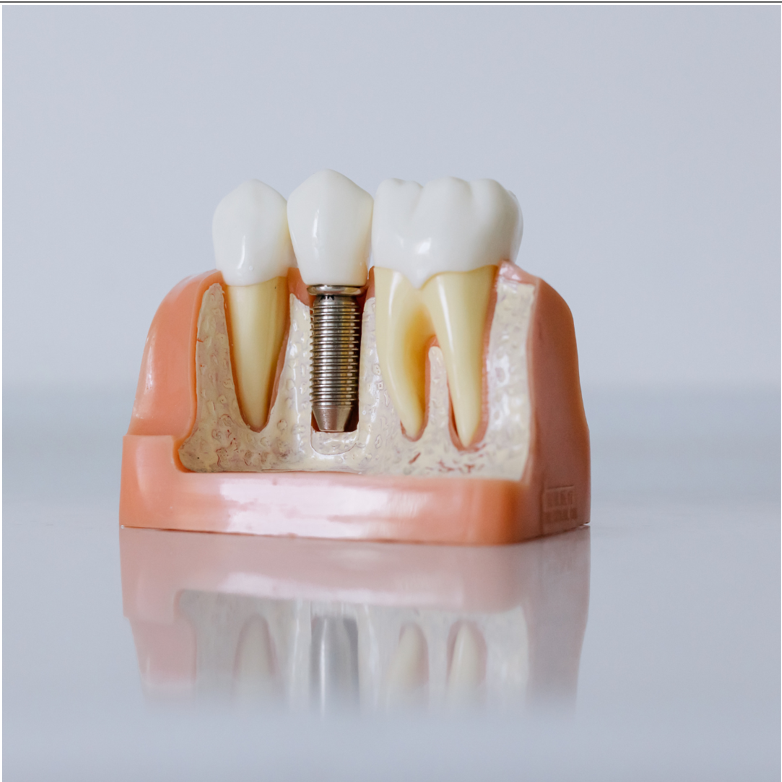
Modern dental technology has made it possible to replace missing teeth with solutions that are not only functional but also highly aesthetic. Among the most advanced options available today are ceramic-based implant systems, which offer strength, biocompatibility, and a natural appearance. One of the most popular choices in this category is zirconia ceramic implants, which are increasingly preferred by patients seeking metal-free tooth replacement solutions.
Why Zirconia Ceramic Implants Are Changing Modern Dentistry
What Makes Zirconia a Unique Implant Material?
Zirconia is a high-strength ceramic material known for its durability and tooth-like color. Unlike traditional metal implants, zirconia does not contain titanium, making it an excellent option for patients who prefer metal-free dental solutions or have sensitivities to metals.
Patients choosing zirconia ceramic implants often do so because of their natural appearance and excellent compatibility with gum tissue. The white color of zirconia also helps prevent dark lines from showing through the gums, which can sometimes occur with metal implants.
A Natural-Looking Solution for Smile Restoration
One of the biggest advantages of zirconia implants is their ability to blend seamlessly with natural teeth. Because the material closely resembles the color of real teeth, restorations look more aesthetically pleasing, especially in visible areas such as the front teeth.
Dentists often recommend zirconia for patients who want both strength and beauty in their dental restoration. This combination makes it a popular choice in modern cosmetic dentistry.
Benefits of Zirconia Ceramic Implants
High Strength and Long-Term Durability
Despite being metal-free, zirconia is extremely strong and resistant to fracture. It is engineered to withstand the daily pressures of chewing and biting, making it a reliable long-term solution for tooth replacement.
Patients can expect durable performance with proper care, similar to traditional implant systems.
Biocompatibility and Gum Health
Zirconia is highly biocompatible, meaning it integrates well with the body and is less likely to cause irritation or allergic reactions. This makes it an excellent choice for patients with sensitive gums or those concerned about metal-based materials.
In addition, zirconia may promote healthier gum tissue around the implant due to its smooth surface, which can reduce plaque accumulation.
Reduced Risk of Corrosion and Allergic Reactions
Unlike metal implants, zirconia does not corrode over time. This eliminates concerns about metal degradation or sensitivity reactions, offering peace of mind for long-term oral health.
The Treatment Process for Zirconia Implants
Digital Planning and Precision Placement
Modern implant dentistry uses digital imaging and 3D planning to ensure precise placement of zirconia implants. This helps dentists position the implant accurately within the jawbone for optimal support and aesthetics.
Careful planning also reduces complications and improves healing outcomes.
Healing and Integration with the Jawbone
Once placed, zirconia implants undergo a process called osseointegration, where the implant fuses with the surrounding bone. This creates a stable foundation for crowns or prosthetic teeth.
Patients are typically advised to follow post-operative care instructions to ensure proper healing and long-term success.
Are Zirconia Ceramic Implants Right for You?
Zirconia implants are an excellent option for patients seeking a natural-looking, metal-free alternative to traditional implants. However, suitability depends on individual oral health, bone structure, and treatment goals.
A dental consultation is necessary to determine whether this option is appropriate for your specific case.
Conclusion
Zirconia implants represent a significant advancement in restorative dentistry, offering both aesthetic appeal and long-lasting performance. For patients looking for a strong, natural-looking, and biocompatible solution, zirconia ceramic implants provide a modern and effective way to restore confidence in their smile.