
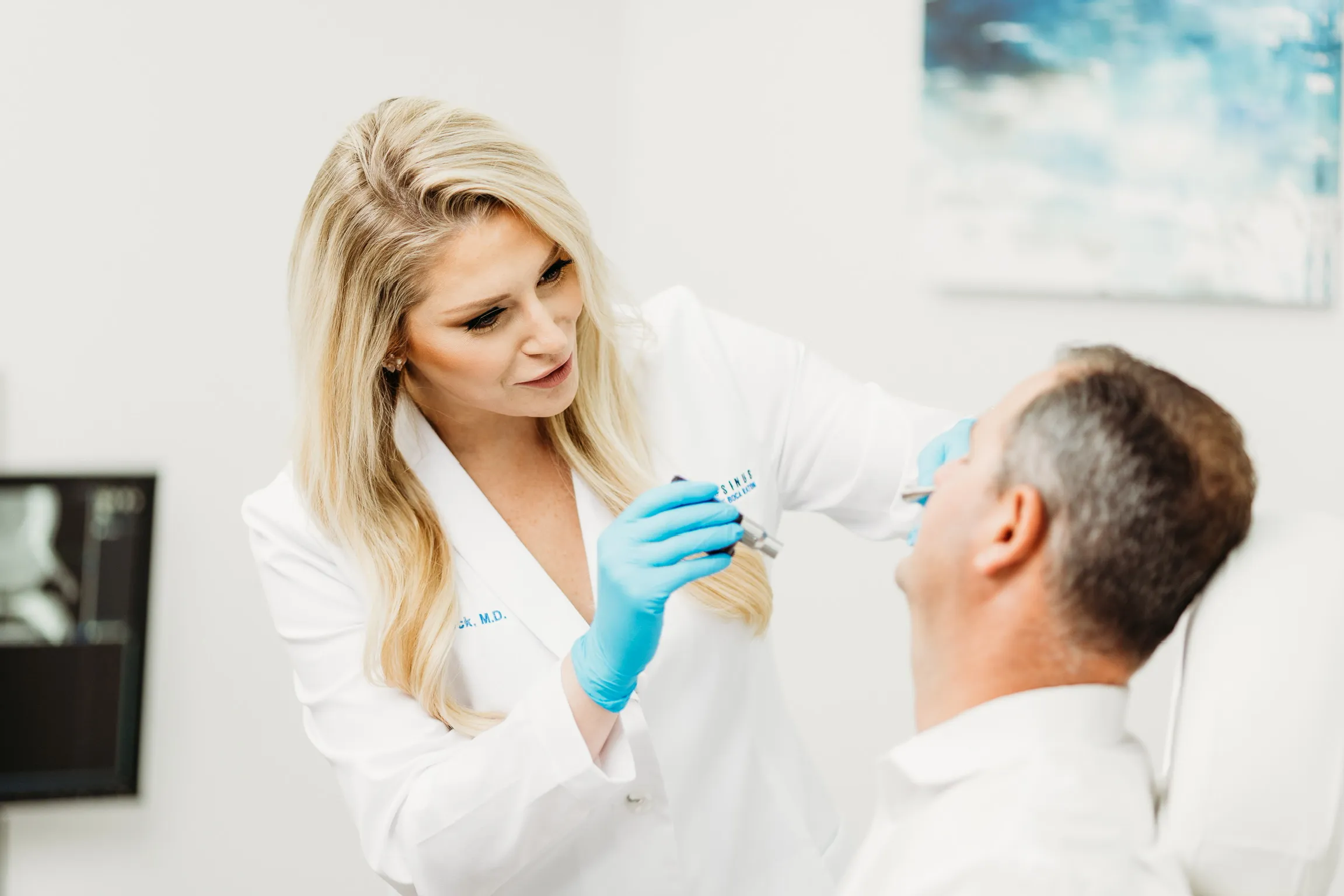
Sinus surgery can help improve breathing and alleviate discomfort caused by chronic sinus problems. Understanding what happens during the procedure and what follows can help you prepare and manage expectations. Whether you are exploring sinus surgery for ongoing sinusitis or to address other related health issues, learning about the process can provide valuable insight.
Preparing for Sinus Surgery
Preparation involves multiple steps to help make sure the process goes smoothly. Your doctor may recommend a pre-surgical evaluation to review your medical history, conduct necessary imaging studies, and discuss the approach to surgery. They will outline any medications you may need to avoid beforehand and provide clear instructions for the day of the procedure.
Follow pre-surgical guidelines carefully, including any restrictions on food or drink prior to your appointment. These instructions are designed to take account of both your safety during surgery and to support optimal recovery. This preparation phase also offers a chance to ask your healthcare provider questions about what to expect.
The Day of Surgery
On the day of your sinus surgery, the procedure typically takes place in an outpatient or hospital setting. Depending on the extent of the surgery, the process is performed under general or local anesthesia. Once anesthesia is administered, surgeons use specialized tools to access and treat the affected sinus areas.
During the surgery, doctors may remove blockages or polyps, straighten a deviated septum, or adjust the structure of the sinus passages to promote better drainage. The techniques used are minimally invasive and often involve the use of endoscopes. This approach reduces the need for external incisions, which may result in a shorter recovery time for many individuals.
The Recovery Process
Recovery will vary based on the specifics of the procedure. After returning home, it is common to experience mild nasal swelling, congestion, or discomfort. Doctors often recommend saline rinses to keep the nasal passages clean, along with prescribed medications to reduce inflammation or discomfort.
Your healthcare provider will outline clear aftercare instructions, including physical activity restrictions and follow-up appointments. Full recovery times can vary, but many individuals notice improvements in symptoms within several weeks. Adhering to post-surgery care recommendations can support the healing process and help you return to your regular routine.
Realistic Expectations After Surgery
Sinus surgery aims to improve sinus function and alleviate symptoms, but setting realistic expectations is key. While it can offer significant relief, the procedure may not completely eliminate all sinus issues. Regular follow-ups and ongoing management may still be necessary to maintain long-term results.
Give your body the necessary time to heal. Swelling and nasal changes during recovery can affect breathing in the short term, but these typically improve as the healing process continues.
Take the Next Step Toward Relief
If sinus issues are impacting your quality of life, discussing options with your healthcare provider may be a good next step. Preparing for this procedure and understanding the recovery process can empower you to make informed decisions about your health. Connect with a trusted specialist to explore whether sinus surgery is right for you. Take control of your sinus health today.
Recommended Articles


Leave a Reply