
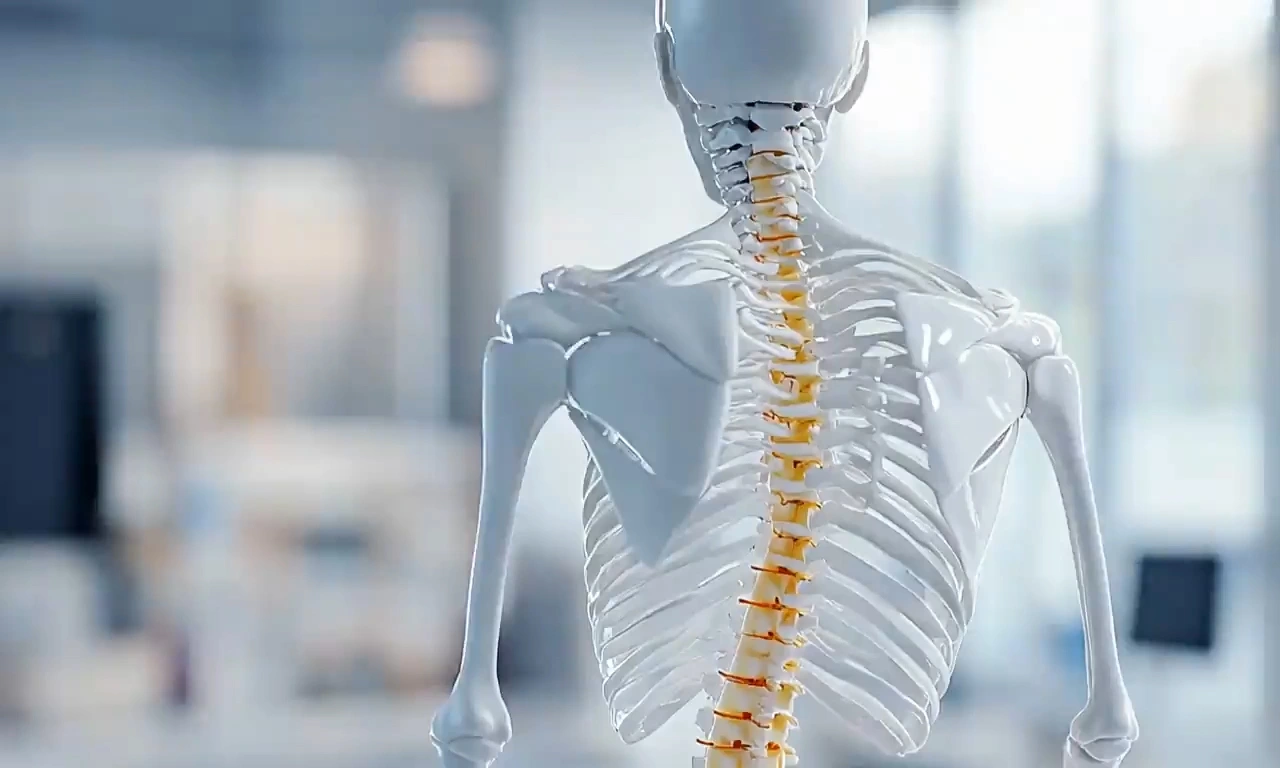
Chronic pain can have a significant impact on daily life. It may affect your ability to work, move comfortably, or even get a good night’s sleep. Finding the right approach to pain relief can improve quality of life and provide a sense of comfort.
By exploring various pain management techniques, individuals dealing with ongoing discomfort can identify what works best for them.
Examining Non-Medical Approaches
The first step in managing chronic pain management often lies in non-medical solutions. Techniques like physical therapy, exercise routines, and mindfulness practices have shown promise in providing relief.
Physical therapy focuses on strengthening different parts of the body, leading to improved mobility and reduced discomfort. Tailored exercise routines, often created under professional supervision, can target problem areas and support overall well-being. Mindfulness exercises, such as meditation and controlled breathing, aim to address the mental component of pain.
Engaging in regular mindfulness practice may help shift the focus away from discomfort and promote relaxation. Other natural methods, including cold or heat therapy, are worth considering. These can ease inflammation and reduce muscle tension, offering a more immediate soothing effect.
The Role of Medications
When non-medical approaches are not enough, medications may play a part in relieving persistent pain. Over-the-counter pain relievers can sometimes be the first line of treatment. These medications aim to reduce inflammation or numb pain symptoms temporarily, offering a short-term solution.
For more persistent cases, healthcare providers may prescribe specific medications that target nerve-related or severe pain. Always consult a professional before relying on medication to create a tailored approach while avoiding unnecessary risks.
Leveraging Advanced Therapies
Modern medicine provides a range of therapies designed to address long-term pain. Steroid injections, often used for joint or back pain, can reduce inflammation and promote better movement. These treatments are generally administered under medical supervision for those experiencing recurring or severe pain.
Another noteworthy innovation is nerve stimulation therapy. This technique involves electrical signals to block or reduce pain sensations and may be recommended depending on individual needs. While healthcare professionals often suggest these therapies sparingly, they may bring significant relief over time.
Exploring Holistic Methods
Holistic options can serve as complementary strategies for managing pain. Acupuncture is one alternative that may help release endorphins or stimulate affected areas for relief. Massage therapy, another common practice, often reduces tension in muscles while improving overall circulation.
Diet and lifestyle changes are additional factors that deserve attention. A balanced diet rich in anti-inflammatory foods may contribute to a person’s overall comfort. Engaging in activities like yoga or tai chi could support not only body strength but also emotional resilience in dealing with pain.
Partnering with a Professional
Finding the most effective pain management techniques often involves collaboration with skilled professionals. Working with a specialist can help pinpoint the underlying causes of pain and determine the most appropriate course of action. They may guide various treatments to suit individual needs, from exercises and medication to advanced solutions. This approach recognizes that managing chronic pain is a long-term endeavor requiring patience and persistence.
Take Steps Toward Better Pain Management
Living with chronic pain can shape physical and emotional well-being. Understanding available techniques for pain management offers a starting point that may lead to improved comfort and mobility. Whether adjusting your diet, consulting a professional, or incorporating regular meditation, finding a balance that works for your needs is possible.
Recommended Articles