
Glaucoma represents one of the leading causes of blindness. This progressive eye condition damages the optic nerve, typically due to increased pressure within the eye, though it can also develop with normal eye pressure. Understanding the factors that contribute to glaucoma development and implementing preventive measures can help preserve your vision for years to come.
Understanding Glaucoma Causes
Glaucoma often develops due to increased intraocular pressure. This occurs when fluid inside the eye fails to drain properly, causing pressure that gradually damages the optic nerve. This nerve damage disrupts the transmission of visual information to the brain. In some cases, such as normal-tension glaucoma, the optic nerve can sustain damage even with normal pressure levels. This indicates that other contributing factors may play a role.
Risk factors for glaucoma include age, with risk rising significantly after 60. Family history can also increase the likelihood of developing the condition four to nine times. Certain ethnic groups, such as African Americans, face higher risks at younger ages. Medical conditions such as diabetes, high blood pressure, and heart disease can compromise blood flow to the optic nerve. Severe myopia, past eye injuries, or surgeries can also interfere with fluid drainage, raising the risk of glaucoma.
Recognizing Early Warning Signs
Glaucoma is often referred to as the “silent thief of sight” because it progresses without noticeable symptoms in its early stages, making regular eye exams helpful for detection. Peripheral vision loss is usually the first sign, though it often goes unnoticed. Acute angle-closure glaucoma causes sudden symptoms like severe eye pain, headache, nausea, and blurry vision, requiring immediate attention. Open-angle glaucoma, the most common type, develops gradually, with symptoms such as difficulty adjusting to darkness, peripheral vision issues, or frequent changes to eyeglass prescriptions.
Reducing Everyday Risk Factors
While some glaucoma risk factors are beyond your control, certain lifestyle changes can help lower your risk:
- Exercise regularly: Activities like walking, swimming, or cycling several times a week can improve eye pressure and circulation.
- Protect your eyes: Use eye protection during sports, home improvement projects, or work to prevent injuries.
- Avoid extended head-down positions: This can help prevent pressure spikes in those at risk.
- Manage health conditions: Control diabetes, blood pressure, and heart conditions to support optic nerve health.
Prioritizing Regular Eye Care
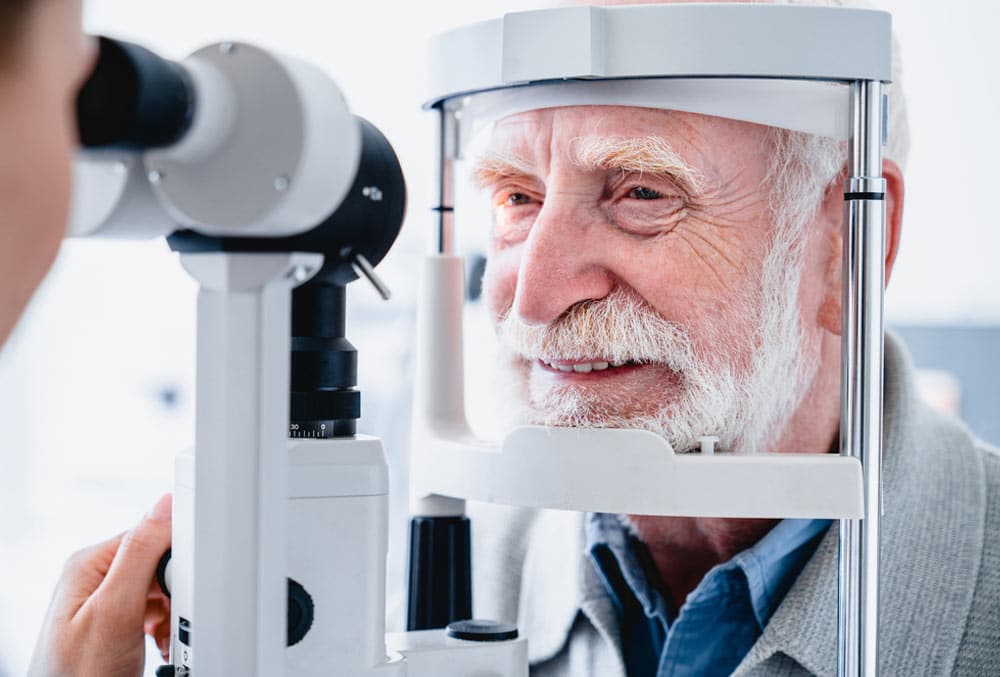
Comprehensive eye exams are beneficial for preventing and detecting glaucoma early. Eye care professionals measure intraocular pressure, examine the optic nerve, and assess peripheral vision. These steps help catch early signs of the disease. Adults over 40 should have exams every 1-2 years. Those at higher risk should have more frequent monitoring. Advanced tests, such as optical coherence tomography (OCT) and visual field testing, can detect subtle changes in the eye before symptoms appear. This enables timely treatment. Regular visits to a qualified eye care provider aid in consistent monitoring and early intervention to protect your vision.
Protect Vision, Prevent Glaucoma
Safeguarding your eyesight begins with understanding your personal risk for glaucoma and making regular eye exams a priority. Early detection allows for timely intervention, giving you the best chance to preserve your vision. Take proactive steps today by scheduling a comprehensive eye examination with a qualified eye care professional and commit to ongoing care to help protect your vision for years to come.