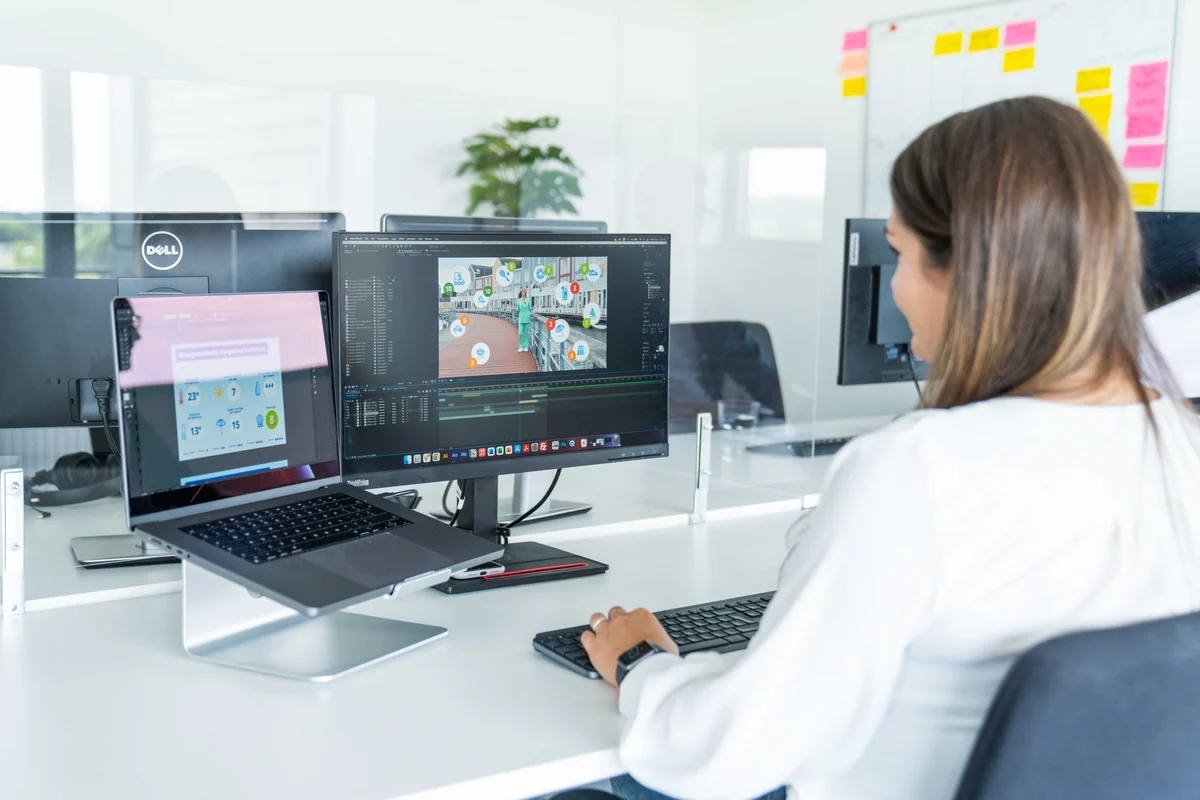

Extended screen time has become an unavoidable part of our work and personal lives. This creates new challenges for eye health and comfort. Digital eye strain often comes with symptoms of dry eye. It affects people who spend hours on computers, tablets, and smartphones without taking enough breaks. Understanding proper eye break techniques can reduce discomfort and help maintain visual well-being.
Reduce Eye Strain Effectively
Digital eye strain can cause dryness, fatigue, blurred vision, and headaches after prolonged screen use, with dry eye being a common complaint. Screens require constant adjustment to pixelated images and varying brightness, which reduces your natural blink rate and leads to less tear distribution, increasing the risk of dry eye. Taking regular breaks relaxes your eye muscles, relieving tension from prolonged close focus and helping prevent discomfort and vision problems.
Set a Consistent Schedule
Building a reliable routine for eye breaks is beneficial for maintaining comfort and productivity during extended screen use. Try to follow these steps to establish a consistent schedule:
- Set reminders on your digital devices or install dedicated eye break applications to prompt you throughout the day.
- Align break intervals with your natural workflow, aiming for a short break every 20 minutes and a longer break every hour.
- Adjust the frequency of your breaks based on the intensity of your screen tasks; more detailed work may require more frequent pauses.
- Record your break times initially to reinforce the habit, then maintain your routine once it becomes familiar.
Follow the 20-20-20 Rule
The 20-20-20 rule provides a simple framework for effective eye breaks: every 20 minutes, look at something 20 feet away for at least 20 seconds. This distance allows your focusing muscles to relax completely since objects at 20 feet or farther require minimal accommodation effort from your eyes. The 20-second duration allows for adequate time for muscle relaxation and tear redistribution across your eye surface.
When applying this rule, actively focus on distant objects rather than simply looking away from your screen. Choose specific targets like trees, buildings, or other fixed points that require your eyes to refocus at a greater distance. Indoor environments may limit your ability to achieve the full 20-foot distance, but looking down a hallway or out a window provides similar benefits for your visual system.
Maximize Break Duration Benefits
Brief, frequent breaks prove more effective than occasional longer breaks for preventing eye strain accumulation throughout the day. Use longer breaks every hour to perform more comprehensive eye relaxation techniques, such as gentle eye movements and conscious blinking exercises. During extended breaks, step away from your workspace entirely to give your eyes a complete rest from screen-related visual demands.
Longer breaks also provide opportunities to adjust your workspace lighting and screen settings for optimal viewing conditions. Check that your screen brightness matches your surrounding environment and that you maintain proper viewing distance and angle. These adjustments, combined with regular breaks, create a comprehensive approach to eye comfort and health.
Protect Your Vision From Dry Eye
Regular eye breaks are a simple yet powerful way to maintain comfort, help prevent dry eye, and reduce strain-related symptoms. In today’s screen-dominated environment, the techniques outlined above require minimal time investment and offer substantial benefits for daily comfort and well-being. They also improve productivity and visual well-being. By consistently implementing these practices, you support your eye health and minimize the risk of dry eye. Start incorporating these habits into your routine today. Give your eyes the care they deserve.