
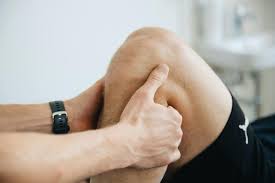
Nutrition plays a role in sports medicine, contributing to both injury prevention and recovery. It supports athletic performance by promoting bone strength, soft tissue health, and healing. Integrating smart dietary strategies optimizes performance and promotes faster recovery.
Nutrition and Sports Medicine
During the early stages of injury, proper nutrition is a key aspect of sports medicine. Your body needs more protein to repair damaged tissues, and adjusting your protein intake while balancing calories and activity levels can aid recovery. Good nutrition also helps manage inflammation and promotes healing. While pain medications provide short-term relief, foods rich in antioxidants and anti-inflammatory compounds, such as berries, leafy greens, and fatty fish, offer long-term benefits in recovery.
For athletes recovering from injuries, maintaining a healthy weight can be beneficial. Proper nutrition can reduce stress on injured joints and tissues. In some cases, weight loss may aid recovery, but it’s best to balance this with the energy your body needs to heal. Healthcare providers often create personalized nutrition plans to support recovery goals while keeping the body fueled for the healing process.
Nutrition and Injury Prevention
Proper nutrition reduces the risk of injury through several mechanisms. Consuming enough protein provides the building blocks needed to maintain and repair muscle tissue, tendons, and ligaments. This helps the body stay strong and resilient during physical activity.
Carbohydrates supply the energy needed for optimal muscle function and coordination. By maintaining stable energy levels, carbohydrates help prevent fatigue-related injuries that can occur during prolonged activity or intense training.
Micronutrients also play a role in injury prevention—calcium and vitamin D support strong, healthy bones. Anti-inflammatory nutrients, such as omega-3 fatty acids, can help reduce exercise-induced inflammation and support faster recovery between training sessions.
Hydration and Healing
Hydration has a significant impact on performance and injury risk. Dehydration can impair muscle function, reduce reaction time, and diminish coordination, increasing the likelihood of heat exhaustion or heat stroke. Proper hydration helps the body regulate temperature, lubricate joints, and support muscle contractions. Athletes should prioritize fluid intake before, during, and after exercise to replace sweat loss and enhance endurance. Staying hydrated allows athletes to perform at their best while lowering the risk of fatigue and heat-related issues.
Nutrition and Long-Term Success
Integrating nutrition into sports medicine requires consistent education and support. Athletes need to understand how their food choices impact performance, injury risk, and recovery potential. By aligning nutrition with their goals, they can make informed decisions that enhance both short-term results and long-term health.
Working with qualified nutrition professionals familiar with sports medicine principles is key. These experts can help athletes create sustainable eating patterns tailored to their needs. When nutrition and injury management are addressed together through collaboration, the results are often more effective than when they are addressed separately.
Create Your Nutrition Strategy
The link between nutrition and sports medicine is evolving as new research reveals optimal dietary strategies for athletes. Understanding these connections supports injury prevention and recovery. Consulting with healthcare providers helps align nutrition with athletic goals. For optimal results, combine proper nutrition with regular training, adequate rest, and professional medical guidance.