
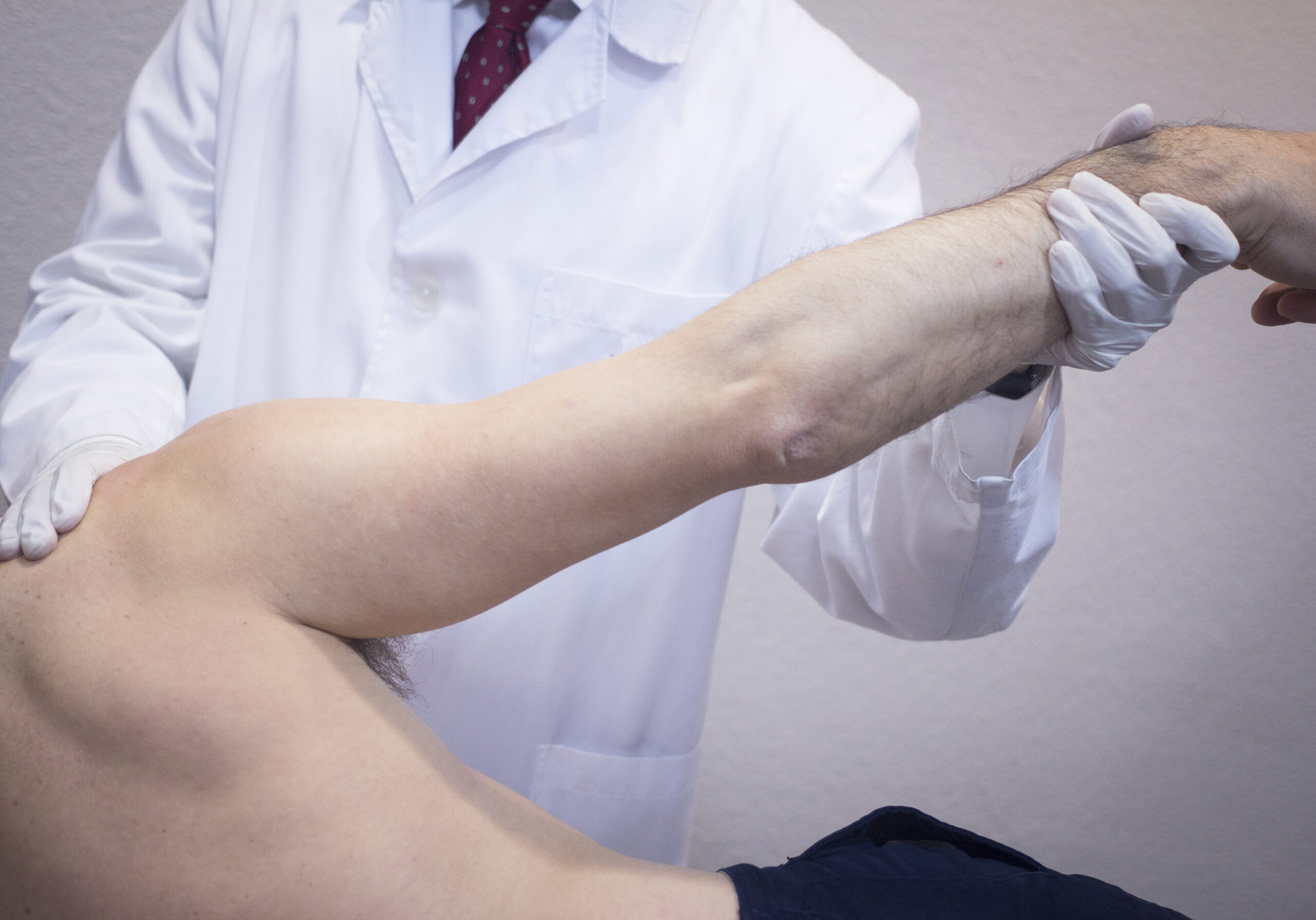
Orthopedic surgeons are medical doctors who specialize in the diagnosis, treatment, and management of conditions affecting bones, joints, ligaments, tendons, and muscles. When you are facing a musculoskeletal issue, an orthopedic surgeon works with you to develop a treatment plan. This plan typically involves a combination of surgical and non-surgical approaches designed to enhance your function and quality of life. Here is more information about their impact on recovery:
Restoring Mobility
One of the primary goals of orthopedic care is to help you move more freely. After an injury or surgery, your ability to perform daily activities might be limited. An orthopedic surgeon develops a personalized recovery plan to address these limitations.
This could involve surgical intervention to repair damaged tissues or replace a joint. Following surgery, the surgeon guides you through the following steps. Your recovery plan may include a referral to a physical therapist.
Physical therapy utilizes targeted exercises and treatments to help rebuild strength and improve flexibility. The combination of medical treatment from your surgeon and guided rehabilitation enables you to regain movement. Over time, following your prescribed plan makes it possible to return to activities you enjoy, from walking in your neighborhood to participating in sports.
Reducing Pain
Pain from musculoskeletal conditions can significantly affect your daily life. Orthopedic surgeons use various methods to manage and reduce this pain. Initially, they perform a thorough evaluation to identify the source of your discomfort. This may involve imaging tests, such as X-rays or MRIs, to obtain a clear picture of the affected area.
Based on the diagnosis, your surgeon may outline a pain management strategy. This may start with non-invasive treatments such as medication, injections, or bracing. For conditions that do not respond to these methods, surgery might be an option. The objective is to alleviate your discomfort so you can experience a better quality of life.
Monitoring Progress
Your recovery journey is a process that requires careful observation and attention to detail. Your orthopedic surgeon will schedule follow-up appointments to monitor your healing. During these visits, they will assess your progress, check incision sites if you had surgery, and ask about your pain levels and mobility. These check-ins are a chance for you to ask questions and share how you are feeling.
This ongoing monitoring allows your surgeon to make any necessary adjustments to your treatment plan. They might modify your activity level or change your medication based on how you are healing. This attentive oversight helps you stay on the right track and supports a smooth recovery.
Preventing Injury
Beyond treating existing conditions, orthopedic surgeons also guide patients on how to prevent future injuries. They can educate you on proper body mechanics for your work or athletic activities. Understanding how to move safely reduces stress on your joints and muscles. Your surgeon may also recommend specific exercises to strengthen the muscles that support your joints.
Find Orthopedic Surgeons Near You
Working with an orthopedic surgeon provides a structured path toward recovery. From the initial diagnosis to the final stages of rehabilitation, their guidance is tailored to your specific needs. If you are dealing with a musculoskeletal injury or condition, taking the next step can make a difference. Schedule a consultation with an orthopedic specialist to discuss your options and begin your journey toward improved health.



Leave a Reply