
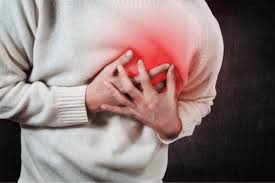
Chest pain is a symptom that is often associated with serious heart conditions. While not all chest pain indicates a cardiac event, understanding its potential causes and recognizing warning signs is beneficial for seeking timely medical attention. Here is more information on this symptom, its common causes, and the role of professional cardiological care:
What Is Chest Pain?
Chest pain refers to any discomfort or pain felt in the area between your neck and upper abdomen. The sensation can vary widely, described as sharp, dull, aching, burning, or a feeling of pressure or tightness. It may be brief or prolonged, and the pain can radiate to other areas such as the arms, neck, jaw, or back.
The character of the pain does not always correlate with the severity of the underlying condition. For this reason, any new, severe, or persistent pain merits a medical evaluation. A healthcare provider can assess the symptoms in the context of your overall health profile.
What Causes It?
The causes of chest pain are numerous and can be categorized as heart-related or non-heart-related. Distinguishing between them without a medical evaluation can be complex, as symptoms can overlap. A thorough diagnosis is needed to identify the specific source.
Heart-related causes include conditions such as coronary artery disease, which involves blocked or narrowed arteries, and heart attacks, where blood flow to the heart muscle is severely reduced or cut off. Other cardiac issues can also lead to this type of pain. This includes myocarditis (inflammation of the heart muscle) or pericarditis (inflammation of the sac around the heart).
Non-heart-related causes include digestive problems like acid reflux and gallbladder issues. Lung conditions, such as pneumonia or a pulmonary embolism, are additional non-heart-related causes. Musculoskeletal problems, like sore muscles or rib injuries, and psychological factors like panic attacks are also common sources of chest discomfort.
What Are the Warning Signs?
Certain signs accompanying chest pain suggest a possible medical emergency that requires immediate attention. A feeling of pressure, fullness, or squeezing in the center of the chest that lasts for more than a few minutes is a classic sign of a heart attack. Pain that spreads to the shoulders, neck, arms, or jaw is also a notable warning sign.
Other symptoms that may occur during a cardiac event include shortness of breath, cold sweats, dizziness, or lightheadedness. Nausea or vomiting can also be present. If you experience these symptoms, seeking emergency medical services is the recommended course of action.
How Is Professional Care Beneficial?
Seeking professional care enables an accurate diagnosis and effective management. A cardiologist can perform a series of diagnostic tests to determine the cause of the discomfort. These tests may include an electrocardiogram (ECG) to record the heart’s electrical activity, blood tests to check for cardiac enzymes, or imaging studies such as a chest X-ray or CT scan.
Based on the diagnosis, a cardiologist will develop a treatment plan tailored to your specific condition. This plan may involve lifestyle modifications, medications, or specific procedures to address the underlying issue. Consistent care from a cardiology specialist helps manage chronic conditions and reduces the risk of future cardiac events.
Consult a Cardiologist Today
Chest pain is a complex symptom with a wide range of potential causes. Recognizing the warning signs of a serious cardiac issue and understanding when to seek help is beneficial for your health. A professional medical evaluation is the only way to accurately diagnose the source of your pain. If you are experiencing chest pain, schedule a consultation with a cardiologist.