
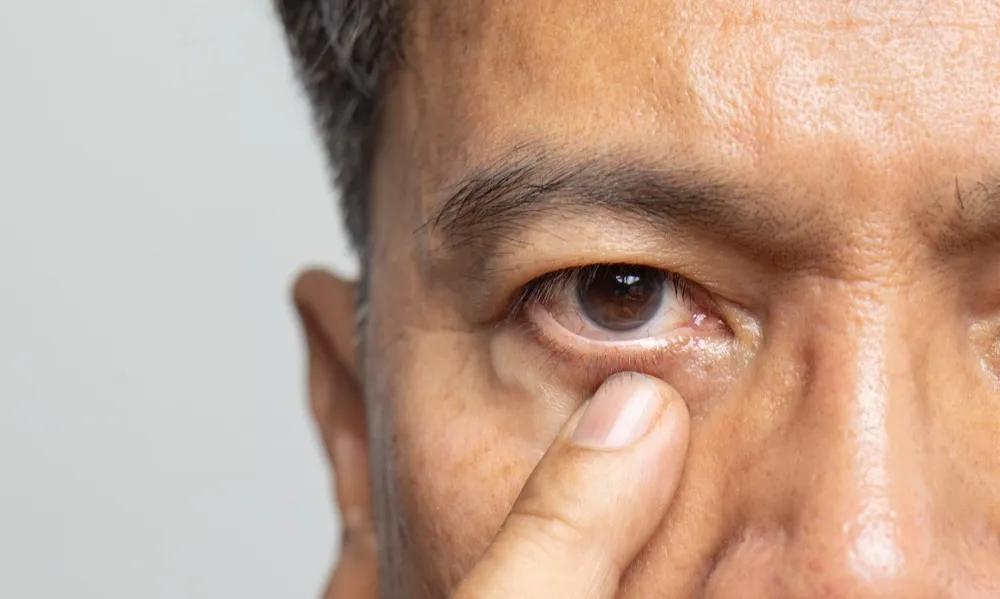
A cataracts specialist is a medical professional who focuses on diagnosing and treating cataracts, which are cloudy areas that develop in the eye’s natural lens. These ophthalmologists possess specialized training in both surgical and non-surgical approaches to cataract management. They work closely with patients to monitor cataract progression, assess visual impact, and determine appropriate treatment timing. Here’s information on factors that can affect those at risk of developing cataracts:
What Are Age-related Cataracts?
Age-related cataracts (ARCs) represent the most common form of cataracts, typically developing as part of the natural aging process. These occur when proteins in the eye’s lens begin to break down and clump together, creating cloudy areas that interfere with clear vision. ARCs generally progress slowly over the years, with symptoms like:
- Blurred Vision
- Light Halos
- Increased Light Sensitivity
- Night Blindness
The development of ARCs involves multiple factors beyond age alone. Environmental influences, genetic predisposition, and lifestyle choices may all play roles in their formation and progression. Regular eye examinations with a cataracts specialist remain fundamental for monitoring eye health and detecting cataracts in their early stages.
These appointments allow for proper assessment of vision changes and discussion of risk factors specific to each individual. Routine eye exams play a role in the early detection and management of cataracts. During these exams, eye care professionals can identify subtle changes in the lens of the eye, which may signal the onset of cataracts even before noticeable symptoms arise.
How Does Diet Help Those at Risk?
Research suggests that certain dietary patterns may influence ARC development, though definitive relationships are still being studied. Observational studies have identified associations between specific nutrients and cataract risk, particularly antioxidants that help protect cells from oxidative stress.
Nutrients that have shown promise in research include antioxidant vitamins, carotenoids, and minerals. These compounds are found in foods like leafy green vegetables, citrus fruits, legumes, and colorful produce. The Mediterranean diet pattern, rich in fruits, vegetables, whole grains, and healthy fats, has been associated with various health benefits and may support overall eye health.
How Does Exercise Affect ARC Risks?
Physical activity may influence cataract development through several mechanisms, though research in this area continues to evolve. Regular exercise supports overall health by improving circulation, reducing inflammation, and helping maintain healthy blood pressure and blood sugar levels. These systemic benefits may indirectly support eye health.
Oxidative Stress
Oxidative stress occurs when there is an imbalance between free radicals and the body’s ability to neutralize them with antioxidants. Free radicals are unstable molecules that can damage cells, proteins, and DNA by stealing electrons. While free radicals are naturally produced during normal metabolic processes, external factors like pollution, smoking, and poor diet can increase their production.
Prolonged oxidative stress can contribute to chronic inflammation, accelerate aging, and increase the risk of various diseases. Some foods to eat that are rich in antioxidants are:
- Fruits
- Vegetables
- Nuts
- Whole Grains
Physical Activity
Some studies have suggested a link between regular physical activity and a reduced risk of cataracts, particularly in relation to cardiovascular fitness and weight management. Exercise may help regulate blood glucose levels, which is relevant since diabetes is a known risk factor for cataract development. The type, intensity, and duration of exercise that may be most beneficial for eye health remain areas of ongoing research. Current evidence suggests that moderate, consistent physical activity as part of a healthy lifestyle may contribute to overall well-being, which includes eye health.
Visit a Cataracts Specialist Today
Professional evaluation provides the most reliable assessment of eye health and cataract risk. A cataract specialist can evaluate your current eye health, discuss your individual risk factors, and provide personalized guidance on maintaining optimal vision throughout your lifetime. Schedule a comprehensive eye examination to discuss your concerns and develop a monitoring and prevention strategy.