
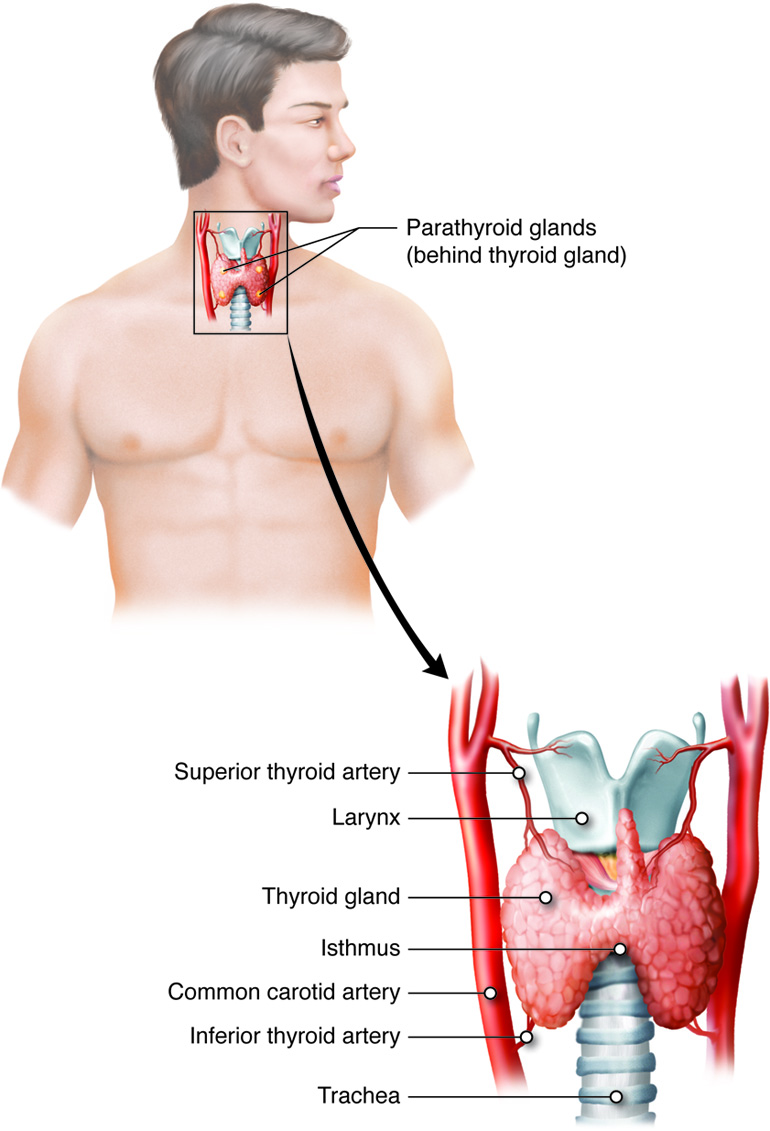
The thyroid gland serves as a regulatory powerhouse within the endocrine system, producing hormones that control metabolism, growth, and development throughout the body. This butterfly-shaped gland, located in the neck, works alongside other endocrine organs to maintain physiological balance through hormone production and regulation. Understanding how the thyroid functions within this complex system provides insight into how hormonal imbalances can affect overall health and bodily functions.
Exploring Hormone Production
As part of the endocrine system, the thyroid gland manufactures two primary hormones: thyroxine (T4) and triiodothyronine (T3). These hormones contain iodine, which the body obtains from dietary sources such as iodized salt, seafood, and dairy products. The thyroid concentrates iodine from the bloodstream and combines it with the amino acid tyrosine to create these metabolic regulators.
Thyroid-stimulating hormone (TSH), released by the pituitary gland, controls thyroid hormone production. When the pituitary detects low levels of thyroid hormones in the blood, it releases more TSH, which signals the thyroid to increase hormone production. Conversely, when thyroid hormone levels rise sufficiently, the pituitary reduces TSH release, creating a feedback loop that maintains hormonal balance.
The thyroid also produces calcitonin, a hormone that helps regulate calcium levels in the blood. Calcitonin works by inhibiting the breakdown of bone tissue and promoting calcium storage in the blood. These hormones work together to enable a healthy, functioning body.
Understanding Metabolic Regulation
Thyroid hormones act on nearly every cell in the body, influencing metabolic rate, protein synthesis, and energy production. T3, the more active form of thyroid hormone, binds to receptors within cell nuclei and affects gene expression. This process influences how cells use oxygen, produce heat, and generate energy from nutrients.
The metabolic effects of thyroid hormones include the regulation of heart rate, breathing rate, and body temperature. These hormones also influence digestive function, muscle strength, and brain development. During periods of growth, particularly in infancy and childhood, thyroid hormones play a significant role in normal brain development and physical growth.
Integrating with Other Organs
The thyroid functions as part of the hypothalamic-pituitary-thyroid axis, a complex communication system that maintains hormonal balance. The hypothalamus monitors thyroid hormone levels and releases thyrotropin-releasing hormone (TRH) when it detects low levels. TRH signals the pituitary gland to release TSH, which then stimulates the thyroid.
This axis demonstrates how the endocrine system operates through interconnected feedback mechanisms. The thyroid’s relationship with the adrenal glands also affects stress response and energy metabolism. Cortisol from the adrenal glands can influence thyroid hormone conversion and effectiveness at the cellular level.
The thyroid interacts with reproductive hormones as well. Thyroid dysfunction can affect menstrual cycles, fertility, and pregnancy outcomes. During pregnancy, thyroid hormones support fetal brain development and growth, making adequate thyroid function particularly significant during this period.
Learn More About the Endocrine System
The thyroid gland operates as a fundamental component of the endocrine system, producing hormones that regulate metabolism, growth, and cellular function throughout the body. Its integration with the hypothalamic-pituitary axis and other endocrine organs demonstrates the interconnected nature of hormonal regulation. Through the production of T3, T4, and calcitonin, the thyroid maintains metabolic balance and supports normal physiological processes that affect every organ system in the body. To learn more about the endocrine system, consult with a qualified physician.