
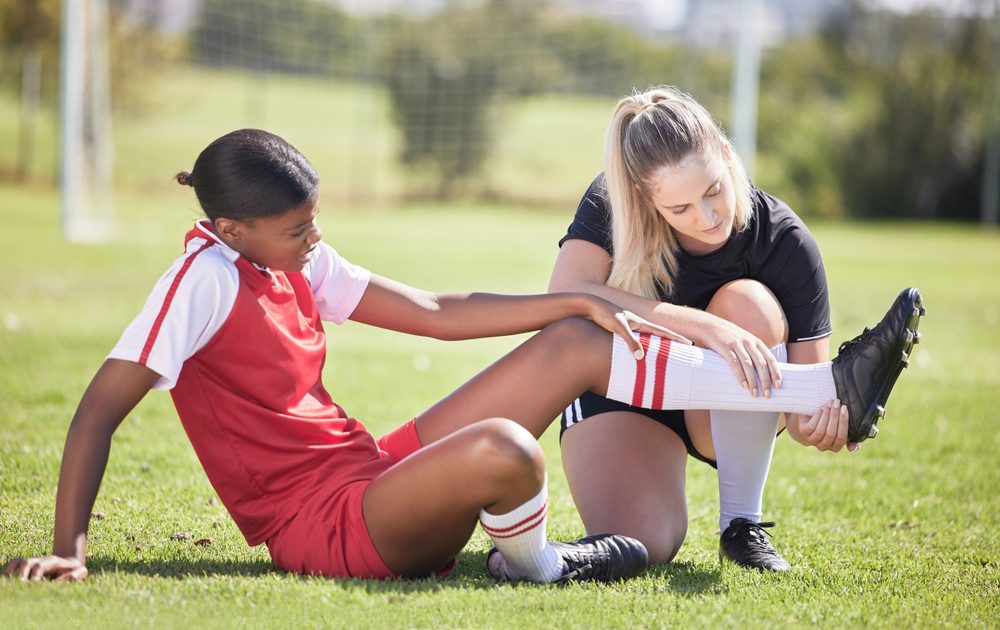
A sports injury can sideline a young athlete, disrupt their training, and even impact their long-term development. While injuries are common in youth sports, many can be prevented with the right strategies. Prevention plays a fundamental role in keeping kids safe and active. Understanding how to minimize risks helps parents, coaches, and athletes work together to support performance while protecting health. Here are strategies for preventing sports injuries in youth athletes:
Proper Training and Conditioning
Young athletes can benefit from structured training programs that build strength, flexibility, and endurance gradually. Proper conditioning forms the foundation of sports injury prevention by preparing the body for the demands of competitive sports. Strength training should focus on age-appropriate exercises that develop core stability and muscle balance.
Young athletes need programs that target all major muscle groups rather than sport-specific muscles alone. This balanced approach reduces the risk of overuse injuries and creates a strong foundation for athletic performance. Regular stretching sessions before and after practice help maintain joint range of motion and reduce muscle tension.
Conditioning programs should progress slowly to allow young bodies to adapt. Sudden increases in training intensity or duration can overwhelm developing muscles and joints, leading to injury. Coaches and trainers should monitor training loads and adjust programs based on each athlete’s response to exercise.
Adequate Rest and Recovery
Recovery time allows the body to repair and strengthen after training or competition. Young athletes need adequate sleep, proper nutrition, and scheduled rest days to prevent overuse injuries and maintain peak performance. Growing bodies need 8-10 hours of quality sleep per night for proper recovery and development. Poor sleep habits can increase the risk of a sports injury and affect athletic performance.
Nutrition supports recovery and provides energy for training. Young athletes require balanced meals with adequate calories, protein, carbohydrates, and fluids. Proper hydration before, during, and after activity prevents heat-related illness and maintains muscle function. Rest days should be built into training schedules rather than taken only when fatigue becomes overwhelming.
Safe and Supportive Environment
A positive team culture prioritizes athlete safety over winning at all costs. Coaches, parents, and athletes must work together to create an environment where injury reporting is encouraged rather than discouraged. Athletes should feel comfortable reporting pain or discomfort without fear of losing playing time or disappointing others.
Education about injury signs and symptoms helps everyone recognize when medical attention is needed. Athletes should understand the difference between normal exercise discomfort and pain that signals a potential sports injury. Coaches need training to identify when athletes should be removed from activity for evaluation. Emergency action plans should be in place for serious injuries. All coaches should know basic first aid and have access to emergency contacts and medical information for each athlete.
Schedule Your Sports Injury Evaluation
Preventing sports injuries in young athletes requires dedication from coaches, parents, and the athletes themselves. Proper training, safe equipment use, and supportive environments all contribute to injury prevention. When young athletes do experience pain or injury, prompt evaluation and treatment help prevent minor problems from escalating. Contact a sports medicine practice near you to schedule a sports injury evaluation and learn more about keeping young athletes injury-free and active.