
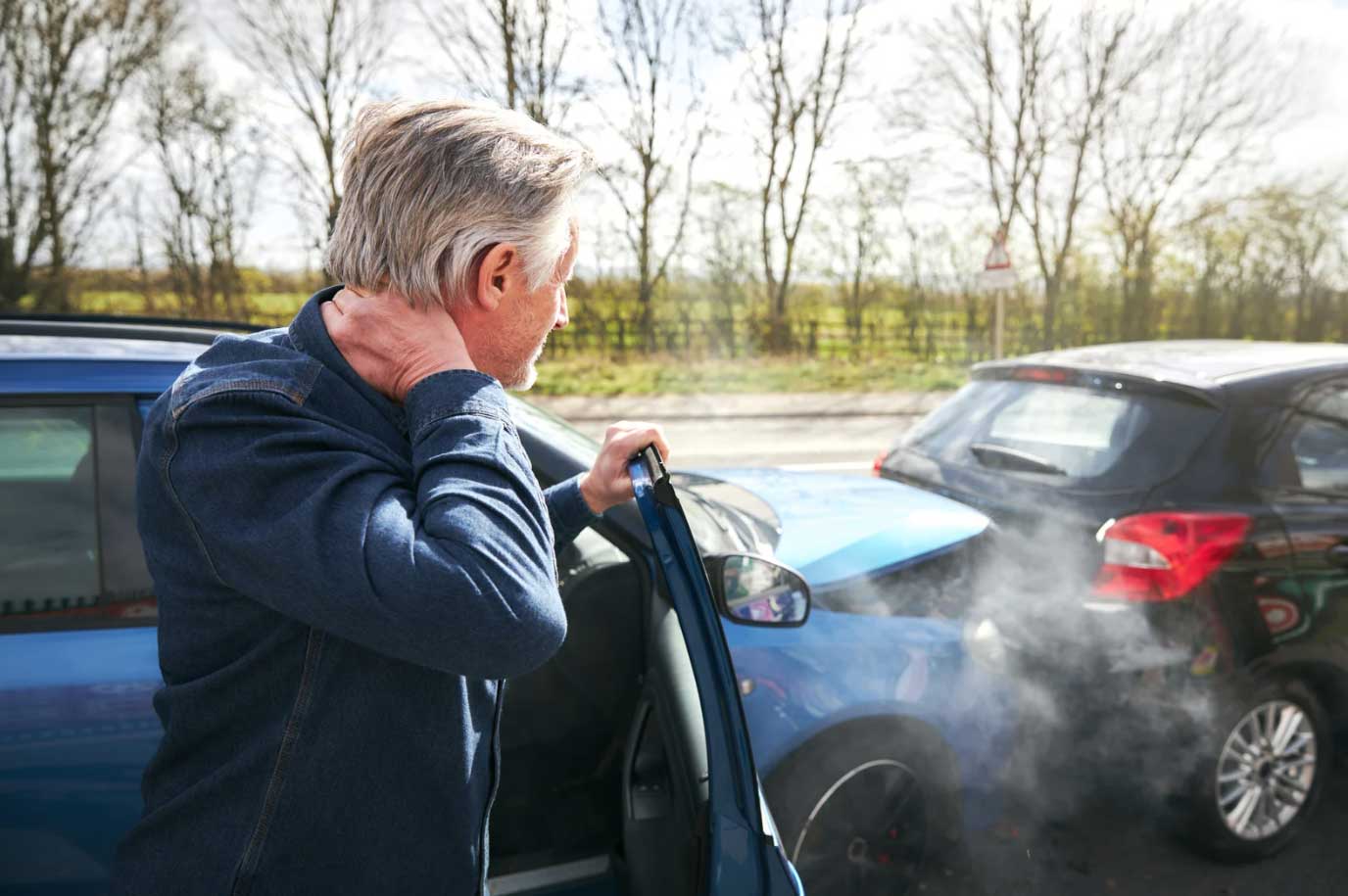
A car accident injury can leave individuals unsure of what to do next while managing pain, stress, and potential long-term effects. Taking the right steps immediately after an accident is key to protecting health and supporting recovery. Here’s how to respond to an auto accident injury:
Prioritize Immediate Medical Attention
Your safety and health come first after any car accident injury. Call 911 immediately if anyone appears hurt or if there’s significant property damage. Even if you feel fine initially, injuries like whiplash, concussions, or internal damage may not show symptoms right away.
Get a medical evaluation as soon as possible, even for seemingly minor auto accident injuries. A healthcare professional can identify hidden injuries through proper examination and diagnostic tests. Early medical documentation also creates an official record of your injuries, which becomes helpful later for insurance claims and legal purposes.
Don’t refuse medical treatment at the scene unless you’re absolutely certain you’re uninjured. Adrenaline often masks pain and symptoms immediately after an accident. What seems like minor discomfort could develop into serious complications without proper medical attention.
Document the Accident and Your Injuries
Proper documentation protects your interests and helps build a clear picture of what happened. Take photos of the accident scene, vehicle damage, road conditions, and any visible injuries if you’re physically able to do so. Exchange contact information, insurance details, and driver’s license numbers with all parties involved in the accident.
Gather witness information, including names, phone numbers, and brief statements about what they observed. Write down your own account of the events while the details remain fresh in your memory. Note the time, weather conditions, traffic patterns, and any other factors that may have contributed to the accident. Keep detailed records of all medical treatments, appointments, and expenses related to your car accident injury. Save receipts for medications, medical equipment, and transportation costs to medical appointments.
Follow Your Treatment and Recovery Plan
Consistent medical care helps your body heal properly and prevents complications from developing. Attend all scheduled appointments with your healthcare providers and follow their treatment recommendations carefully. Complete any prescribed physical therapy, take medications as directed, and follow the activity restrictions your doctor sets.
Monitor your symptoms closely and report any changes or new problems to your medical team. Some automobile accident injuries, such as traumatic brain injuries or spinal damage, can have delayed symptoms that appear days or weeks after the initial incident. Keep a symptom diary to track your pain levels, mobility issues, and other concerns.
Seek Legal and Emotional Support
Contact your insurance company promptly to report the accident and begin the claims process. Provide them with all the documentation you’ve gathered, but avoid giving detailed statements until you fully understand your injuries and their impact. Contemplate consulting with a personal injury attorney, especially if your injuries are severe or if there are disputes about fault or compensation.
Don’t overlook the emotional impact of auto accident injuries. Many people experience anxiety, depression, or post-traumatic stress after a serious accident. These psychological effects are real and treatable conditions that deserve professional attention. Talk to your doctor about mental health resources or think about counseling to help process the trauma.
Book Your Car Accident Injury Evaluation Today
Taking the right steps after a car accident injury can significantly impact your recovery and future well-being. Prioritizing immediate medical care, documenting everything thoroughly, and adhering to your treatment plan create the foundation for the best possible outcome. Contact a qualified healthcare provider today to schedule your auto accident injury evaluation and take the first step toward healing.