
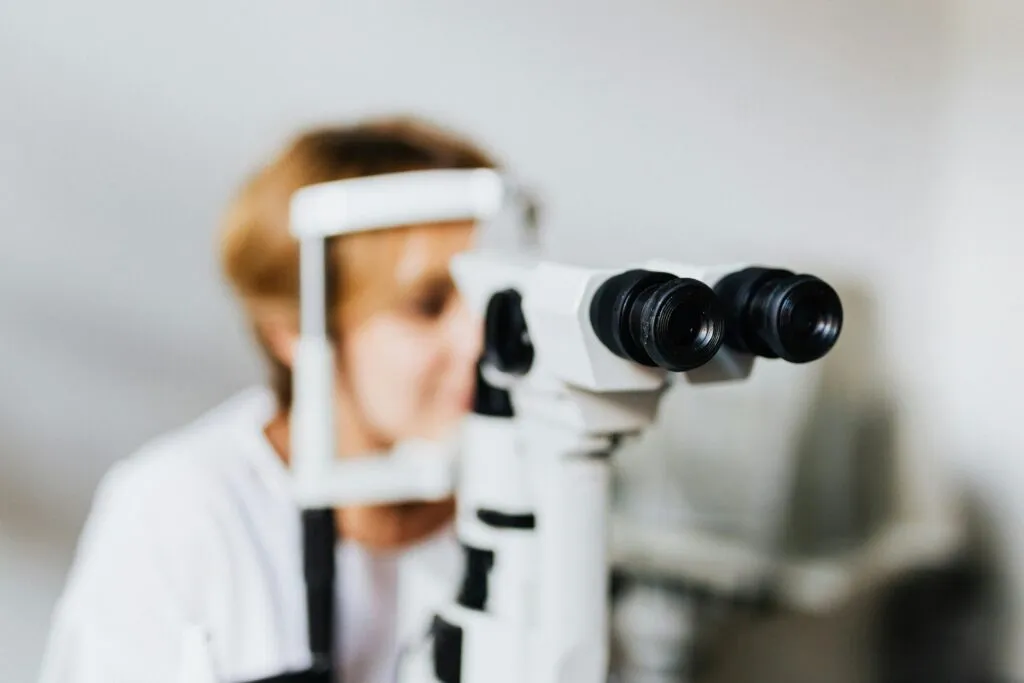
Two of the most common eye conditions are cataracts and glaucoma. These conditions can be confusing to distinguish. Both can significantly impact vision quality and daily life. They develop through different mechanisms and require different treatment approaches. Understanding these differences allows individuals to recognize symptoms early. It also helps them seek appropriate medical attention when necessary.
Cataracts
Cataracts occur when the natural lens inside the eye becomes cloudy. This blocks light from reaching the retina. The clouding develops gradually over time. Proteins in the lens break down and clump together. This creates areas of opacity that interfere with vision. The condition typically affects people over the age of 60. Cataracts can develop earlier due to diabetes, prolonged sun exposure, or certain medications.
Symptoms
The most recognizable symptoms of cataracts include blurry or cloudy vision. People often experience increased sensitivity to bright lights and difficulty seeing in low-light conditions. Many also notice halos around lights or colors that appear faded or yellowed. A need for frequent changes in eyeglass prescriptions is common. These symptoms develop slowly, taking months or years to become noticeable. This gradual change allows many individuals to adapt to their changing vision.
Treatment
Treatment for cataracts usually involves removing the clouded lens. It is replaced with an artificial intraocular lens. This outpatient procedure has a high success rate. Vision typically returns to normal within a few weeks after surgery. The timing of surgery depends on how much the cataracts interfere with daily activities and quality of life.
Glaucoma
Glaucoma represents a group of eye diseases that damage the optic nerve. This typically happens due to increased pressure within the eye. The eye’s drainage system can become blocked or work improperly. This causes fluid to build up and creates pressure that damages delicate nerve fibers. Unlike cataracts, glaucoma often develops without noticeable symptoms at first. It is often referred to as the “silent thief of sight” for this reason.
Types
There are two main types of glaucoma. Open-angle glaucoma progresses slowly. Angle-closure glaucoma can develop rapidly and requires emergency treatment. Risk factors for glaucoma include:
- Age over 60
- Family history of glaucoma
- Certain medical conditions, like diabetes or high blood pressure
Early Detection
Early detection through regular eye exams is beneficial. Glaucoma-related vision loss cannot be reversed. Symptoms that may appear later include loss of peripheral vision, tunnel vision, severe eye pain, and sudden changes in vision. Treatment focuses on lowering eye pressure. This may involve prescription eye drops, laser procedures, or surgery. The goal is to prevent further damage to the optic nerve.
Protect Your Vision Today
Cataracts and glaucoma differ in their impact and treatment. Cataracts affect the lens and can be fully corrected with surgery. Glaucoma causes permanent damage to the optic nerve. Early detection and ongoing management are required to preserve vision. Regular eye exams, especially after the age of 40, are necessary to detect these conditions early. Early cataract detection helps plan surgery at the right time. Timely glaucoma treatment can prevent irreversible vision loss. Schedule an eye exam today to protect your vision and maintain your eye health.