
Impacted teeth are a common dental issue in adolescents, often developing as their permanent teeth begin to emerge. These are teeth that fail to fully erupt through the gumline due to various factors. Although it may go unnoticed, impacted teeth can cause complications if left untreated. Understanding the causes, symptoms, and treatment options is necessary for parents managing their child’s oral health.
What Causes Impacted Teeth?
Impacted teeth typically occur when there is insufficient space in the mouth for a tooth to erupt properly. This condition is frequently associated with wisdom teeth, which are the last to develop and typically erupt during the late teens or early twenties. Crowding in the dental arch can prevent teeth from aligning and emerging as they should.
Other causes of impacted teeth include misalignment and abnormal tooth positioning. If a tooth develops at an angle, it may push against an adjacent tooth or the jawbone, impeding its ability to erupt. Genetics may also play a role, as children could inherit smaller jaws from one parent or larger teeth from the other, leading to spacing issues.
What Are Symptoms?
Impacted teeth don’t always cause discomfort, but there are signs parents should look for to help identify the issue early. Symptoms may vary based on the severity and location of the impaction. Below are some common indicators of impacted teeth:
- Swelling or redness around the gums: This occurs near the area where the impacted tooth is attempting, but failing, to emerge.
- Pain in the jaw or gums: The pressure created by an impacted tooth may lead to discomfort or aching that radiates.
- Difficulty opening the mouth: Limited jaw movement may indicate an impacted tooth, which can cause alignment issues.
- Unusual spacing or crowding of teeth: Teeth that shift due to crowding are often a sign that something is obstructing proper alignment.
- Persistent bad breath: Food particles and bacteria may accumulate around the impacted area, leading to halitosis.
Monitoring your teen’s dental health and staying alert to these symptoms can help address concerns before they worsen.
Which Treatment Options Are Available?
The treatment for impacted teeth often depends on the specific tooth involved, the degree of impaction, and the overall oral health condition. Consulting an oral health professional is key to determining the most appropriate course of action.
Monitoring for Mild Cases
For mild cases of impaction, dental monitoring and regular x-rays may suffice to check that the tooth is not causing additional problems. This approach is ideal when the impaction poses no immediate risk to surrounding teeth or tissues.
Extraction for Severe Cases
When intervention is required, an oral surgeon may recommend extraction, especially for wisdom teeth. Removing the impacted tooth can help prevent complications like infection, decay, or damage to adjacent teeth.
Orthodontic Treatment
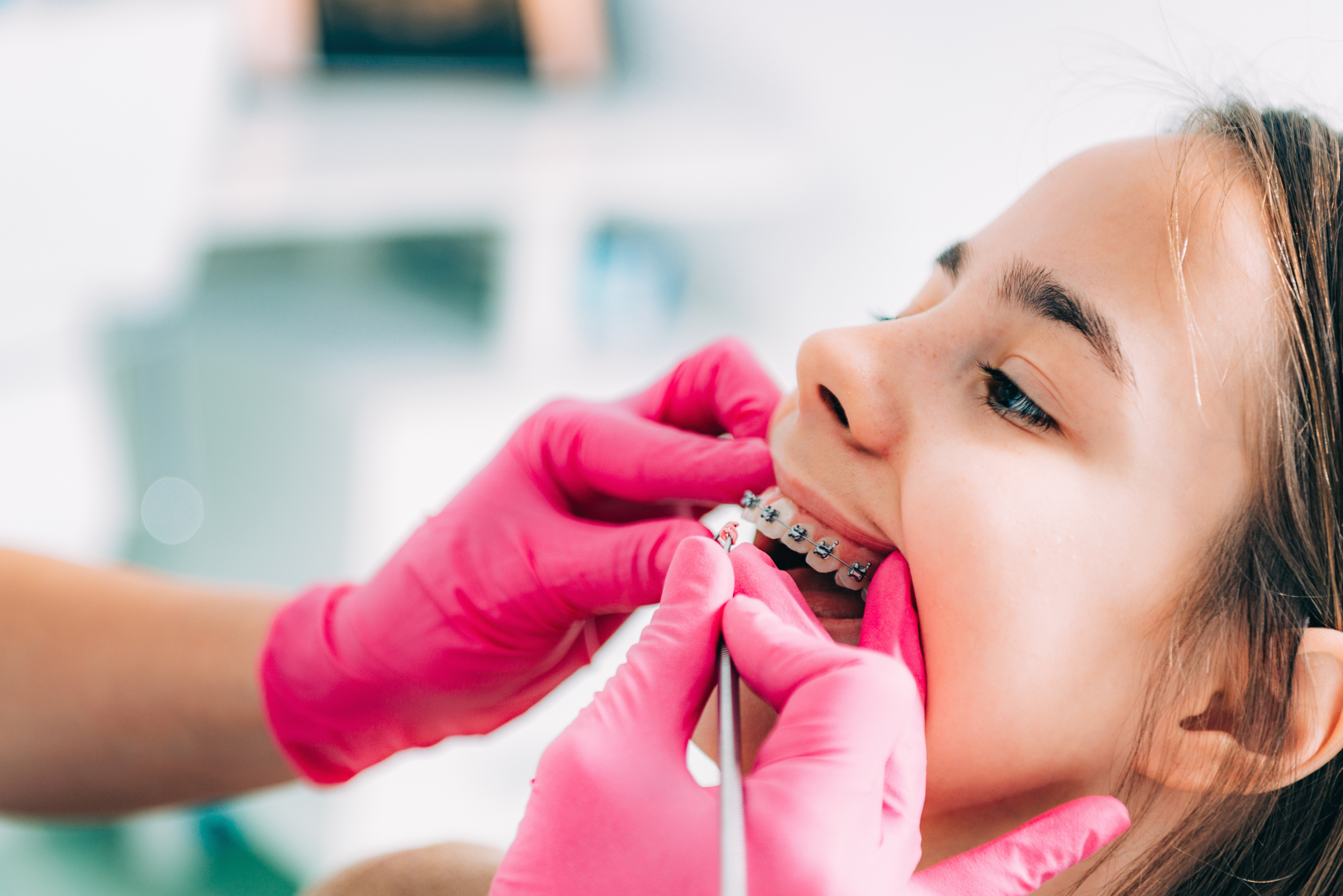
For other teeth in the dental arch, orthodontic treatment may be advised. This could include braces or other orthodontic devices to create space and guide the impacted tooth into proper alignment.
Consult an Oral Surgeon
If you suspect your adolescent has an impacted tooth, consulting an oral surgeon is a valuable next step. Through clinical exams and imaging techniques, such as x-rays, professionals can assess the situation and recommend the best course of action. Early identification is key to avoiding complications from untreated impactions. Acting promptly not only resolves current problems but also supports long-term dental health.