
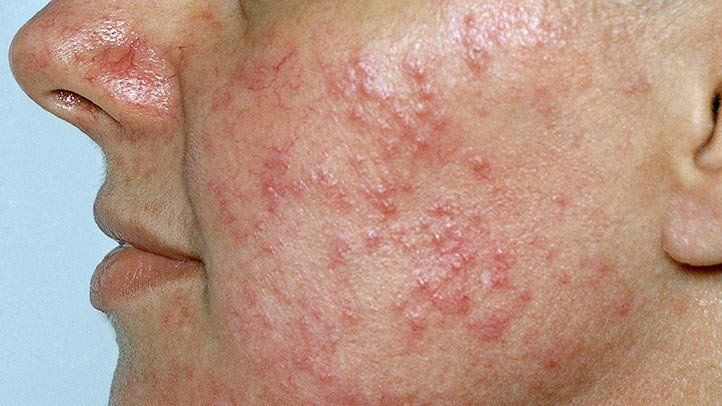
A skin rash can appear in various forms, ranging from redness and bumps to itching and irritation, often leaving patients unsure of its cause. While some rashes may be mild and temporary, others signal underlying conditions that require medical attention. Understanding the various types of skin rashes is fundamental for identifying their triggers and selecting the appropriate treatment. Here are some of the common types of skin rash:
Allergic and Irritant Rashes
Allergic rashes occur when your body reacts to something it perceives as harmful. Contact dermatitis is one of the common types of allergic skin rash. This occurs when your skin comes into contact with something that triggers an allergic reaction, such as poison ivy, certain metals, or fragrances.
Irritant contact dermatitis develops differently. It occurs when harsh substances directly damage your skin. Soap, detergents, and cleaning products often causes this type of skin irritation. The rash usually appears red and may burn or sting rather than itch. Hives are another type of allergic reaction that creates raised, itchy bumps on your skin. These bumps can be small or large and often appear and disappear quickly. Food allergies, medications, or even stress may trigger hives.
Infectious Skin Rashes
Bacteria, viruses, or fungi can cause infectious rashes. These rashes often spread from person to person or develop when germs enter through cuts or scratches. Impetigo is a bacterial infection that causes red sores, usually located around the nose and mouth. The sores often burst and form crusty patches.
Fungal infections, such as ringworm, create circular, scaly patches on the skin. Despite its name, ringworm is not caused by worms but by fungi that live on dead skin cells. Athlete’s foot is another fungal infection that affects the feet, causing itching and peeling between the toes.
Viral rashes can accompany illnesses like chickenpox or measles. These rashes often cover large areas of the body and may be accompanied by fever or other symptoms. Most viral rashes clear up as the underlying illness gets better.
Chronic and Autoimmune-related Rashes
Some skin rashes last for months or years and recur repeatedly. Eczema, also called atopic dermatitis, is a chronic condition that causes dry, itchy patches of skin. These patches often appear on the hands, feet, elbows, and knees. Eczema tends to run in families and often begins in childhood.
Psoriasis is an autoimmune condition that causes thick, scaly patches to form on the skin. These patches are usually silver-white and can be painful or itchy. Psoriasis commonly affects the elbows, knees, and scalp, but it can appear anywhere on the body. Seborrheic dermatitis causes oily, scaly patches, usually on the scalp and face. It often causes dandruff and may make the affected skin appear red or yellow.
Environmental Rashes
Environmental factors can trigger various types of skin irritation. Heat rash develops when sweat becomes trapped under the skin, resulting in small, red bumps. Sun exposure causes several types of rashes. Sunburn is the most obvious, but some people develop polymorphic light eruption, which creates itchy bumps after sun exposure. Cold weather can also affect your skin. Winter eczema, also known as xerotic eczema, occurs when cold, dry air strips moisture from your skin. This creates dry, itchy patches that may crack or bleed if not treated properly.
Consult a Skin Rash Specialist
Identifying the type of skin rash you have is the first step toward finding effective treatment. While some rashes heal on their own, others need professional medical care. A dermatologist or allergy specialist can examine your rash, determine its cause, and recommend the right treatment. Contact an allergy specialist or trusted healthcare provider near you to schedule a skin rash consultation for proper diagnosis and treatment.