
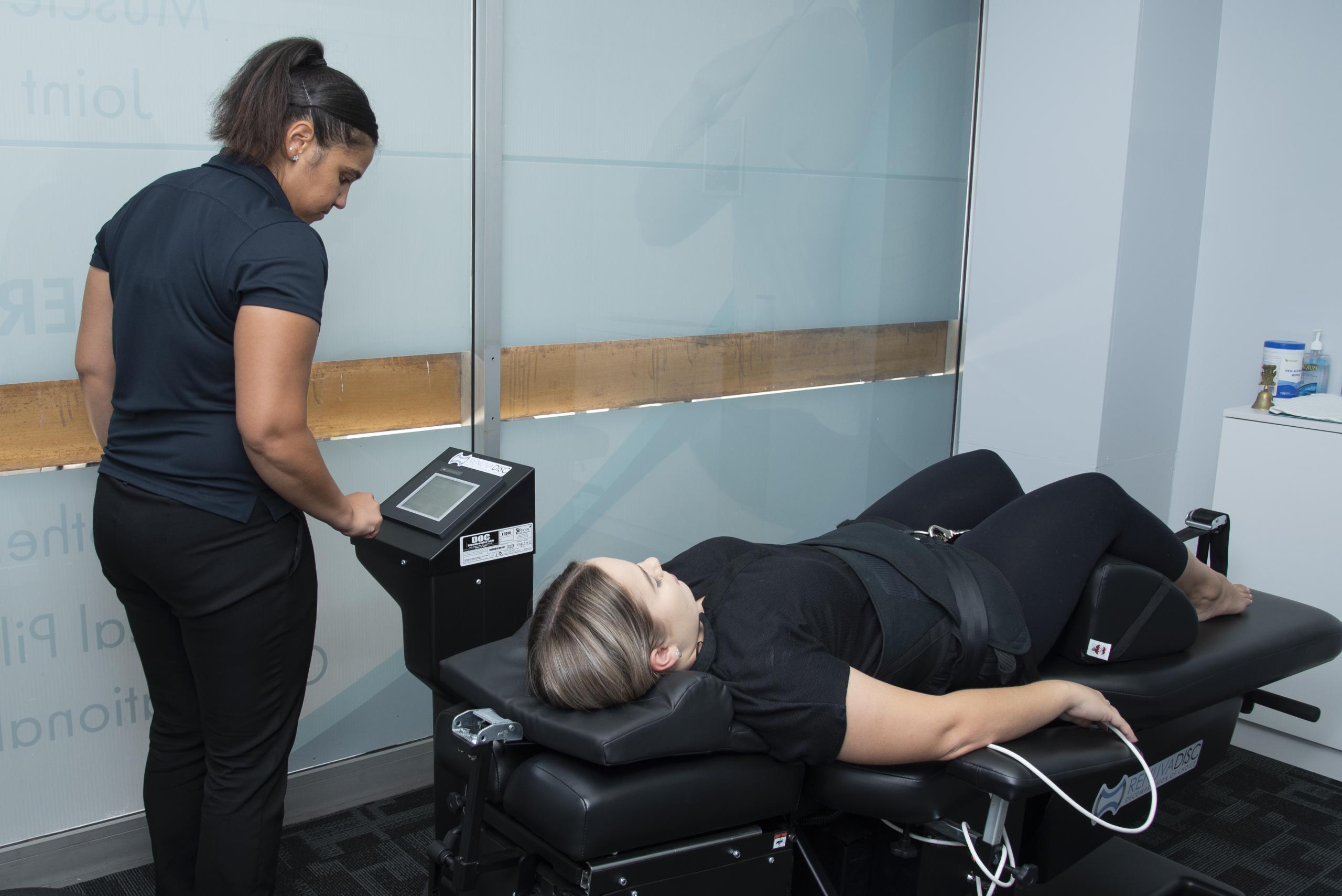
Degenerative disc disease involves the natural breakdown of the discs that cushion your vertebrae. Over time, these discs become thinner and less flexible, which sometimes leads to pain and discomfort. When non-surgical treatments do not provide relief, spine surgery presents another path. Here is more information about spine surgery options and how they can treat degenerative disc disease:
Spinal Fusion
Spinal fusion is a surgical procedure that permanently connects two or more vertebrae in your spine. The goal of this surgery is to eliminate motion between the affected vertebrae. By stopping the movement, the procedure aims to reduce pain caused by the disc’s instability. A surgeon may also use a bone graft to fill the space between the vertebrae. This graft acts as a bridge, encouraging the bones to grow together or fuse into a single, solid bone.
The bone graft material can be sourced in a few ways. It might be an autograft, taken from another part of your own body, usually the pelvis. Another option is an allograft, which is donor bone from a bone bank. Synthetic bone graft materials may also be available. To hold the vertebrae in place while they fuse, the surgeon might use metal plates, screws, or rods.
Laminectomy
In some cases, a surgeon may perform a laminectomy in addition to another procedure like spinal fusion. Degenerative disc disease is capable of causing the spinal canal to narrow, a condition known as spinal stenosis. This narrowing puts pressure on the spinal cord and nerves, leading to pain, numbness, or weakness.
A laminectomy is a spine surgery procedure that creates more space in the spinal canal. Performing a laminectomy may help alleviate the symptoms associated with nerve compression. This procedure is typically performed in conjunction with others to address multiple issues simultaneously.
Artificial Disc Replacement
Artificial disc replacement offers an alternative to spinal fusion for some individuals. Instead of fusing the vertebrae, this surgery involves removing the damaged disc and replacing it with an artificial disc. The artificial disc is designed to function like a natural, healthy disc, allowing for motion between the vertebrae. This preservation of motion is a key difference between disc replacement and spinal fusion.
During the procedure, the surgeon accesses the spine, removes the degenerated disc, and inserts the artificial device into the empty disc space. These devices are typically made of medical-grade metal or a combination of metal and plastic. The goal is to restore the disc height and maintain spinal movement.
The selection of this procedure depends on the specifics of your condition. Not all patients are candidates for disc replacement surgery, as factors like bone health and the location of the disc issue play a significant role. Your doctor can evaluate your condition thoroughly to determine the most appropriate treatment option for you.
Schedule Spine Surgery Today
Navigating the options for treating degenerative disc disease can be challenging. Having a clear discussion with a medical professional helps you understand your specific situation and the available treatments. A specialist can evaluate your condition, review your medical history, and explain the procedures that might be appropriate for you. If you are experiencing persistent back pain from degenerative disc disease, contact a surgeon today to schedule an appointment.