
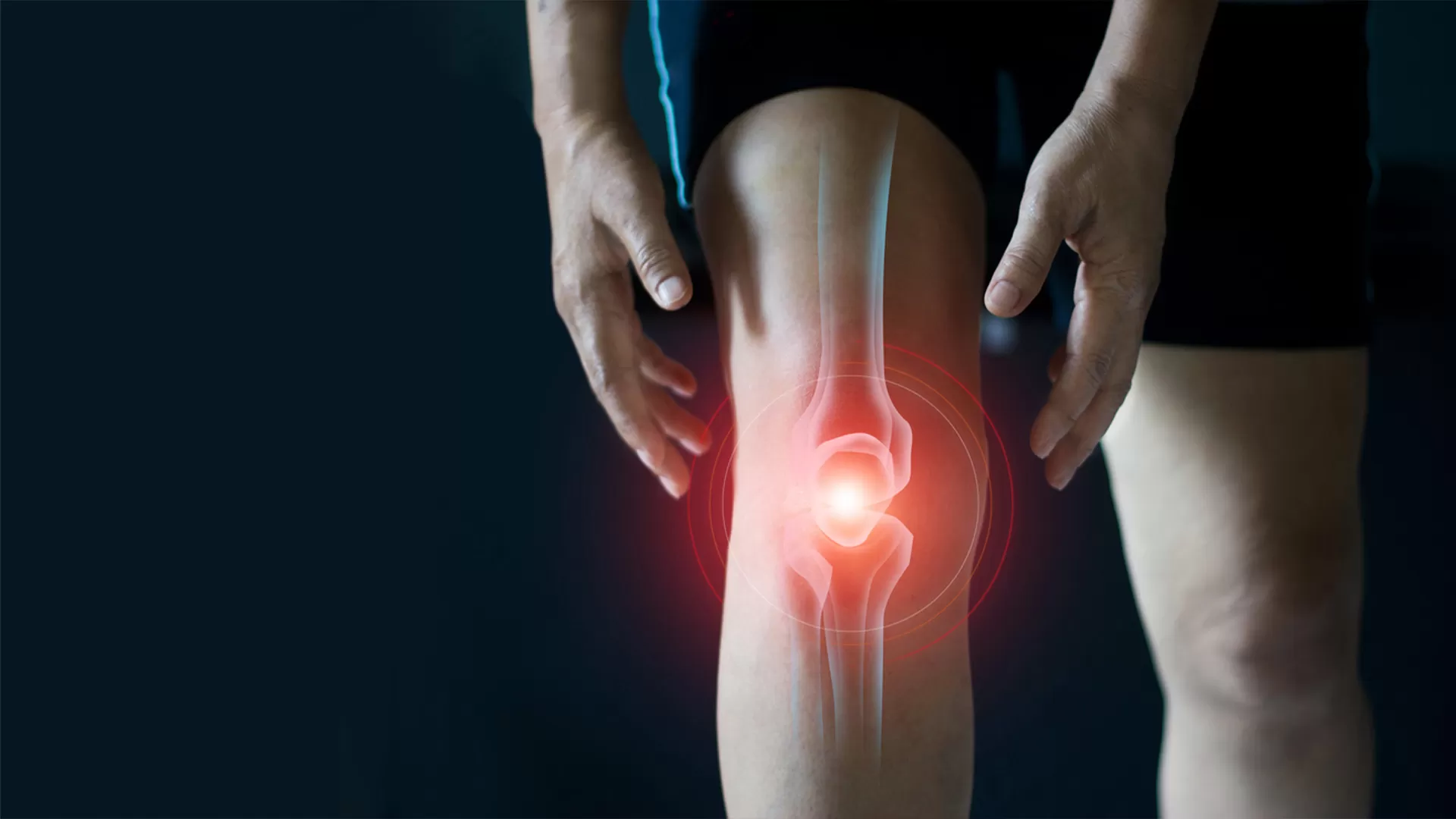
Meniscectomy involves the surgical removal of damaged meniscus tissue from the knee joint. This procedure addresses torn or damaged cartilage that cushions the space between your thighbone and shinbone. While meniscectomy can provide relief from pain and mobility issues, understanding its long-term effects on joint health helps patients make informed decisions about their treatment options.
Changing Knee Mechanics
Meniscectomy becomes necessary if the patient has a serious tear. The meniscus serves as a shock absorber and helps distribute weight across the knee joint. When surgeons remove meniscus tissue, the knee’s biomechanics change significantly. The remaining cartilage and bone surfaces experience increased stress during daily activities like walking, climbing stairs, and standing.
Partial meniscectomy removes only the damaged portion of the meniscus, preserving healthy tissue when possible. Total meniscectomy removes the entire meniscus structure. Both procedures alter how forces move through the knee joint, potentially leading to different loading patterns than what the joint originally experienced.
Developing Arthritis
Research shows a connection between meniscectomy and the development of osteoarthritis in the knee joint. The timeline for arthritis development varies among individuals, with some patients experiencing changes within a few years. Others may not develop symptoms for decades.
Osteoarthritis following meniscectomy typically begins with the breakdown of articular cartilage. As this protective cartilage wears away, bone-on-bone contact can occur, leading to pain, stiffness, and reduced range of motion. The severity and progression of arthritis depend on factors such as age at the time of surgery, activity level, and the amount of meniscus tissue removed.
Studies indicate that patients who undergo meniscectomy have higher rates of knee osteoarthritis compared to individuals with intact meniscus tissue. The loss of the meniscus’s shock-absorbing properties contributes to accelerated wear of the joint surfaces. Your surgeon will weigh the costs and benefits with you to see if the procedure is the correct choice.
Strategizing to Protect Joint Health
Physical therapy plays a significant role in maintaining knee function after meniscectomy. Strengthening exercises target the quadriceps, hamstrings, and calf muscles to provide better support for the knee joint. Range-of-motion exercises help maintain flexibility and prevent stiffness.
Low-impact activities such as swimming, cycling, and walking can help maintain cardiovascular fitness while minimizing stress on the knee joint. High-impact activities like running and jumping may place excessive strain on the altered joint mechanics. Regular monitoring with orthopedic specialists allows for early detection of joint changes. X-rays and other imaging studies can track cartilage health over time and help guide treatment decisions if arthritis develops.
Weight management affects the load placed on knee joints during daily activities. Each pound of body weight translates to approximately four pounds of pressure on the knee joint during walking. Maintaining a healthy weight can reduce the stress on cartilage and potentially slow arthritis progression.
Learn More About Meniscectomy
Meniscectomy provides symptom relief for many patients, particularly those with mechanical symptoms like locking or catching in the knee. The procedure typically allows for a return to daily activities and may improve quality of life in the short term. Long-term joint health requires ongoing attention to knee care and lifestyle modifications. While meniscectomy changes the knee’s structure permanently, appropriate management can help preserve remaining joint function and potentially delay the need for additional interventions.