
When the gallbladder is removed, changes in digestive processes often follow. This small organ plays a role in storing and releasing bile, a digestive fluid that aids in breaking down fats. Without it, your body must adjust, which can have a noticeable impact on your digestion. Understanding these changes and how to manage them is beneficial for maintaining digestive health after gallbladder surgery.
Know Your Gallbladder’s Role
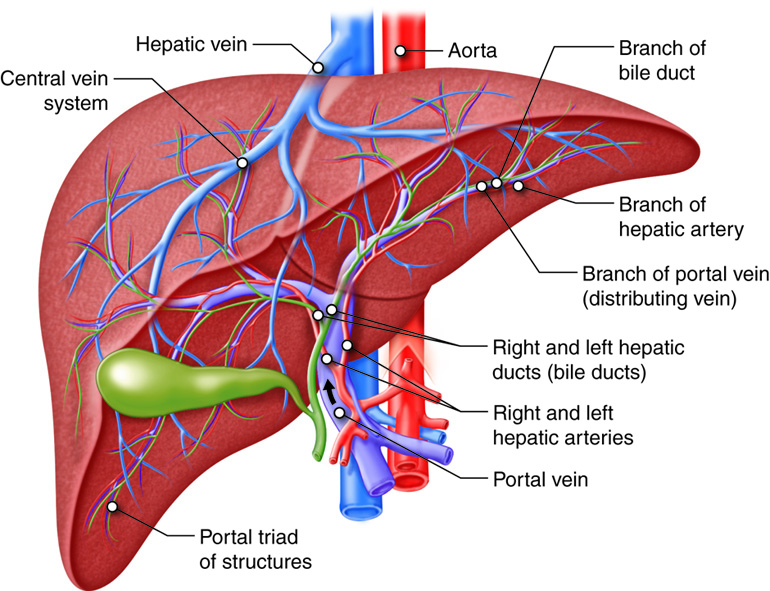
The gallbladder is an organ that lies beneath your liver and acts as a storage container for bile. Bile, produced by the liver, aids in digesting dietary fats by breaking them down into components that are easily absorbed. Normally, the gallbladder releases bile into the small intestine during meals to aid in digestion.
Without your gallbladder, bile flows directly from the liver into the intestine in a continuous but less concentrated manner. This change in bile release can impact the way your body processes fats, sometimes leading to digestive discomfort. While your digestive system can adapt, understanding this role helps clarify why you might notice changes in how your body digests food post gallbladder surgery.
Expect Changes After Surgery
After gallbladder removal, you might experience some digestive adjustments. These potential changes include:
- Frequent diarrhea: The consistent flow of bile into the intestine can sometimes irritate the digestive tract, leading to loose stools.
- Challenges digesting fats: Without concentrated bile released on demand, fatty foods might be more difficult to digest.
- Gas and bloating: Changes in the digestive process can upset the balance of your gastrointestinal system, leading to discomfort.
- Unpredictable bowel movements: Your stools may change in consistency or frequency as your body adjusts to the absence of the gallbladder.
These changes are common but can vary from person to person. Recognizing and managing them early can make the adjustment smoother.
Manage Digestive Symptoms
To effectively manage these symptoms, small yet strategic changes can make a significant difference. If diarrhea is a frequent issue, eating smaller, low-fat meals throughout the day can help reduce strain on your digestive system. Foods high in fiber, such as fruits, vegetables, and whole grains, may also help firm up stools, though it’s best to introduce fiber gradually.
For fatty foods that are harder to digest, try limiting their intake and opt for plant-based fats in small portions. Gas and bloating can sometimes be alleviated by avoiding carbonated beverages and limiting greasy or fried meals. Maintaining a food diary can also be a helpful tool for identifying and minimizing trigger foods that worsen symptoms.
Adjust Your Eating Habits
Making adjustments to your diet can support digestion and minimize discomfort. These strategies may help:
- Focus on low-fat meals: Choose lean proteins, such as chicken or fish, and limit high-fat foods, including fried snacks and rich desserts.
- Eat smaller, more frequent meals: Digestive issues can be less pronounced when meals are spaced out over the day.
- Increase soluble fiber gradually: Foods like oats, apples, and beans can stabilize digestion, but should be added slowly to avoid excess gas.
- Stay hydrated: Drink plenty of water to support overall digestive health and prevent dehydration from diarrhea.
- Avoid trigger foods: Spicy, greasy, or very sugary dishes can aggravate symptoms. Monitor how your body reacts and adjust your choices accordingly.
Protect Your Digestion After Gallbladder Surgery
Adjusting to life without a gallbladder can take time, but proactive measures can help support your digestive system. By understanding your body’s new needs, managing symptoms effectively, and making thoughtful dietary choices, you can maintain good digestive health. While some changes may be unavoidable, taking an active role in adapting to them can help make sure your digestion works as smoothly as possible.