
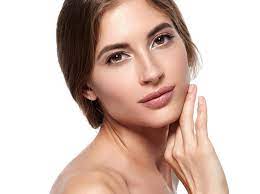
Achieving natural-looking results in cosmetic surgery depends on skilled surgeons who understand facial anatomy, employ advanced techniques, and prioritize patient safety. Here’s how a cosmetic plastic surgeon can achieve natural-looking outcomes through careful planning, innovative methods, and thorough aftercare:
What Happens During Planning?
The key to natural-looking results starts well before the surgery itself. Surgeons dedicate a lot of time to understanding each patient’s face, skin type, and personal beauty goals. This involves taking detailed measurements, using computer imaging, and having honest conversations about what can realistically be achieved.
How Do Techniques Help?
Minimally invasive procedures have transformed cosmetic surgery by aiming for less trauma and faster healing. Now, a cosmetic plastic surgeon can make tiny micro-incisions that leave nearly invisible scars. These small openings require specialized instruments and advanced skills, allowing for more precise results. The incisions are carefully placed along natural skin lines and facial contours, helping scars blend with existing features and making them less noticeable.
Does Fat Grafting Work?
Fat grafting is a significant advance in achieving natural-looking results. It involves taking fat from one part of the patient’s body and transferring it to areas that need more volume. Because the fat comes from the patient’s own body, the risk of rejection is very low.
The process requires careful extraction, purification, and injection. Surgeons need to understand how the transferred fat will integrate with surrounding tissues. When done correctly, fat grafting results in smooth, natural-looking volume that moves and feels like normal tissue.
Why Does Suturing Matter?
Advanced suturing techniques are helpful for achieving natural-looking results. Using layered closure methods supports tissues at multiple levels, which reduces tension on the skin surface. This helps the wound heal better and reduces visible scarring.
Surgeons choose different suture materials and techniques based on the specific procedure and the patient’s needs. Some sutures dissolve on their own, while others need to be removed. The choice depends on factors like how quickly the wound needs to heal, the type of skin, and where the incision is located.
What About Recovery Care?
Postoperative care helps achieve ideal surgical results. Proper wound care, taking medications as prescribed, and following activity restrictions are helpful steps in the healing process. Surgeons provide personalized instructions based on each patient’s specific procedure and health condition.
Regular follow-up appointments allow surgeons to monitor healing progress and address any concerns quickly. During these visits, they may suggest treatments such as lymphatic massage and using specialized skincare products to improve the results. Following postoperative instructions, like avoiding sun exposure, eating a healthy diet, and attending all appointments, helps patients heal faster and achieve better outcomes.
Find a Cosmetic Plastic Surgeon
Modern cosmetic surgery provides impressive options for subtle, natural-looking enhancements. Success depends on selecting qualified surgeons who prioritize patient safety and aim for lasting, artistic results. Achieving the best outcomes involves careful planning, advanced techniques, and comprehensive aftercare. These steps help your appearance look refreshed, not altered. Be sure to verify that your surgeon is board-certified and specializes in the procedures you’re interested in. It’s also helpful to consult with multiple surgeons to compare approaches and find the best match for your goals.