Dental polishers are essential tools in any dental practice, helping to create smooth, polished surfaces on teeth and restorations. To ensure consistent performance and extend their lifespan, proper care and maintenance are crucial. Neglecting these tools can lead to reduced efficiency, compromised results, and unnecessary replacement costs.
When using dental polishers, regular maintenance not only preserves their effectiveness but also supports better hygiene and patient safety. By following the right cleaning, storage, and usage practices, dental professionals can maximize the value of their equipment.
Why Maintenance Matters
Proper maintenance of dental polishers goes beyond simply keeping them clean. These tools are used in high-speed procedures and come into direct contact with patients, making hygiene and functionality top priorities.
Ensures Optimal Performance
Well-maintained polishers deliver smoother finishes and more precise results. Worn or clogged polishers can reduce polishing efficiency and affect the quality of dental work.
Enhances Patient Safety
Clean and sterilized tools minimize the risk of cross-contamination, protecting both patients and dental staff.
Reduces Long-Term Costs
Routine care helps prevent premature wear and tear, reducing the need for frequent replacements and saving money over time.
Cleaning Dental Polishers Properly
Immediate Cleaning After Use
After each procedure, rinse the polisher thoroughly to remove debris, saliva, and polishing paste. This prevents buildup that can harden and affect performance.
Use Appropriate Cleaning Solutions
Always use manufacturer-recommended cleaning agents to avoid damaging the material. Harsh chemicals can degrade the polisher and shorten its lifespan.
Sterilization Process
Depending on the type of polisher, sterilization methods may vary. Some can be autoclaved, while others require chemical disinfection. Always follow the manufacturer’s guidelines for safe sterilization.
Proper Storage Practices
H3: Keep Them Dry and Organized
Moisture can lead to bacterial growth and material degradation. Store dental polishers in a clean, dry container to maintain their condition.
Avoid Cross-Contamination
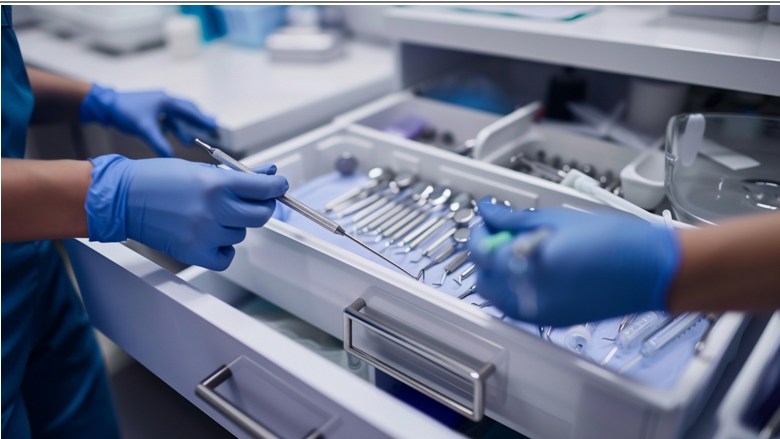
Separate used and sterilized tools to prevent contamination. Using designated storage trays or compartments can help maintain proper hygiene.
Tips for Extending the Lifespan
Use the Right Speed and Pressure
Applying excessive pressure or using incorrect speed settings can wear down polishers quickly. Follow recommended guidelines for optimal use.
Inspect Regularly
Check for signs of wear, such as fraying, cracks, or loss of shape. Replace polishers when they no longer perform effectively.
Rotate Usage
Using multiple polishers in rotation can help distribute wear evenly and extend their overall lifespan.
Conclusion
Maintaining dental polishers is a simple yet vital part of running an efficient and safe dental practice. With proper cleaning, storage, and usage, these tools can deliver consistent results while lasting significantly longer. By investing time in routine maintenance, dental professionals can ensure high-quality care for their patients and maximize the value of their equipment.