
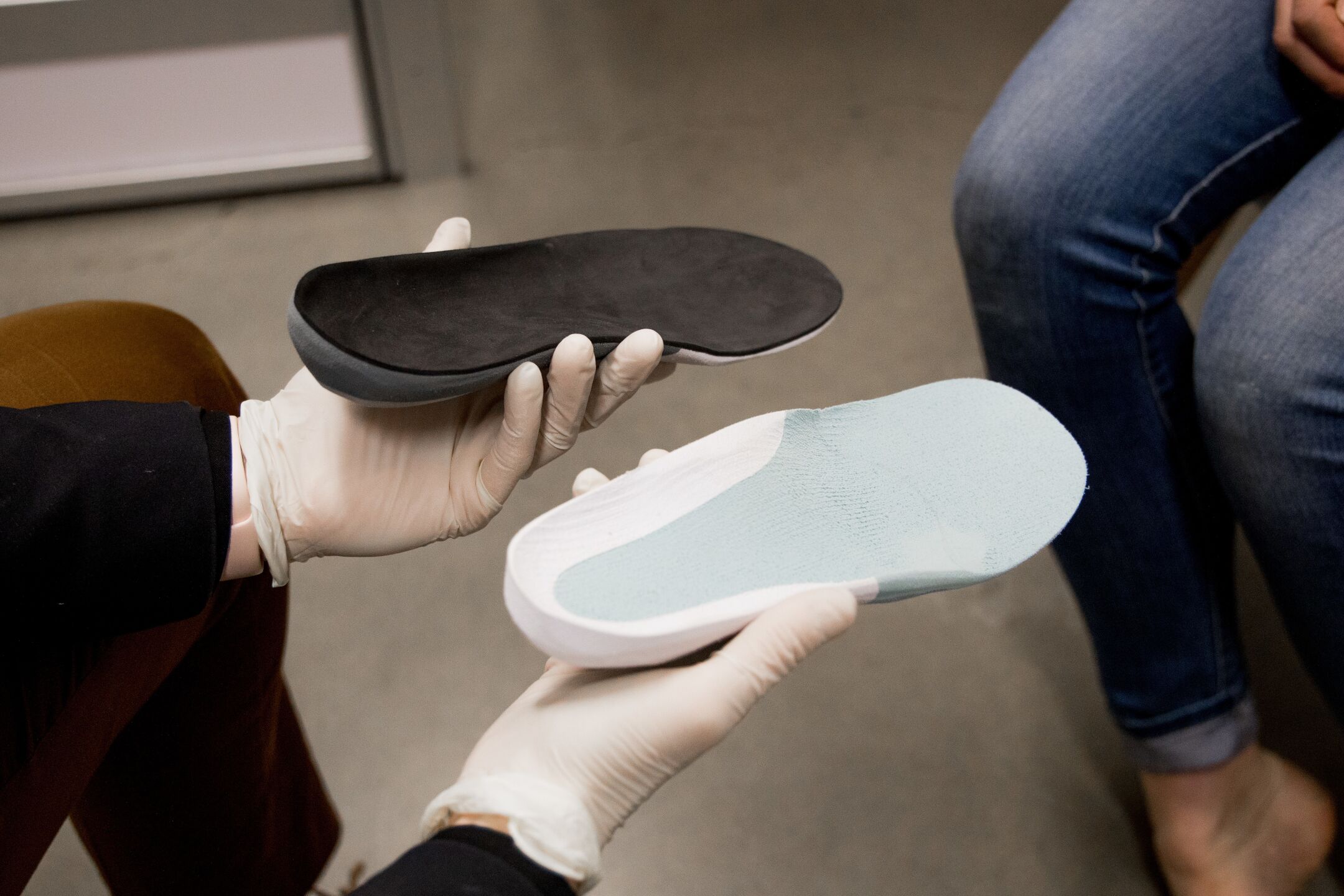
Finding the right support for your feet goes beyond comfort; it’s about preventing pain and improving mobility. Orthotics are designed to address specific foot structures and conditions. Choosing the right pair depends on factors such as arch type, gait, and existing health concerns. Here’s what you need to know about choosing the right orthotics for your foot type:
Understanding the Basics of Orthotics
Orthotic insoles are specially designed devices that fit inside your shoes to provide support, cushioning, and alignment for your feet. These arch supports come in two main categories: over-the-counter options and custom-made insoles. Over-the-counter orthotics offer general support and are readily available at most pharmacies and stores. They provide basic cushioning and mild arch support for common foot issues.
Custom orthotics are prescription devices created specifically for your feet. A podiatrist takes detailed measurements and molds of your feet to create orthotics that match your exact foot structure. This is used to address specific conditions, such as plantar fasciitis or diabetes-related foot complications. The key difference lies in precision and personalization. While over-the-counter options may help with minor discomfort, custom orthotics provide targeted support for complex foot problems and biomechanical issues.
Identifying Your Foot Type
Your foot type determines which orthotics will work best for your needs. Most feet fall into three basic categories: flat feet, neutral arches, and high arches. Flat feet have little to no arch, causing the entire sole to touch the ground when standing. People with flat feet often experience overpronation, where the foot rolls inward excessively during walking.
High-arched feet create a pronounced curve, leaving a gap between the arch and the ground. This foot type typically leads to underpronation or supination, where the foot doesn’t roll inward enough during movement. Neutral arches fall between these extremes and generally provide good natural support and shock absorption. You can identify your foot type by having a podiatrist perform a professional assessment.
Matching Orthotic Insoles to Foot Type
Different foot types require specific orthotic features to address their unique challenges. Flat feet benefit from orthotics with firm arch support and motion control features. These orthopedic insoles help prevent excessive inward rolling and provide the arch support that flat feet naturally lack.
Individuals with high-arched feet require orthotics that offer extra cushioning and flexibility. Softer materials help absorb shock that the rigid arch cannot naturally handle. These orthotics also distribute pressure more evenly across the foot.
Your lifestyle and activities also influence the selection of orthotics. Athletes require sport-specific orthotic insoles that accommodate the demands of their activities. People who spend long hours standing need maximum cushioning and support. Those who wear dress shoes may need low-profile orthotics that fit in tighter footwear.
Getting the Best Results
Proper fitting and gradual adjustment help you get maximum benefit from your new orthotics. Start by wearing them for just a few hours each day, gradually increasing the time as your feet adjust. This prevents discomfort and allows your muscles and tendons to adapt to the new support.
Make sure your orthotic insoles fit properly in your shoes without creating tightness or pressure points. Remove existing insoles before inserting your new orthotic insoles to maintain proper fit. The orthotic should sit flat in your shoe without bunching or sliding. Regular maintenance keeps your orthotics functioning effectively. Clean them regularly with mild soap and water, and allow them to air dry completely.
Get Your Custom Orthotics Today
Choosing the right orthotics requires understanding your foot type, lifestyle needs, and specific conditions. While over-the-counter options provide general support for minor issues, custom orthotics offer the precision and personalization needed for complex foot problems and chronic pain conditions. Schedule an appointment with a foot and ankle specialist to learn more about custom orthotic insoles and explore your orthotic options.