
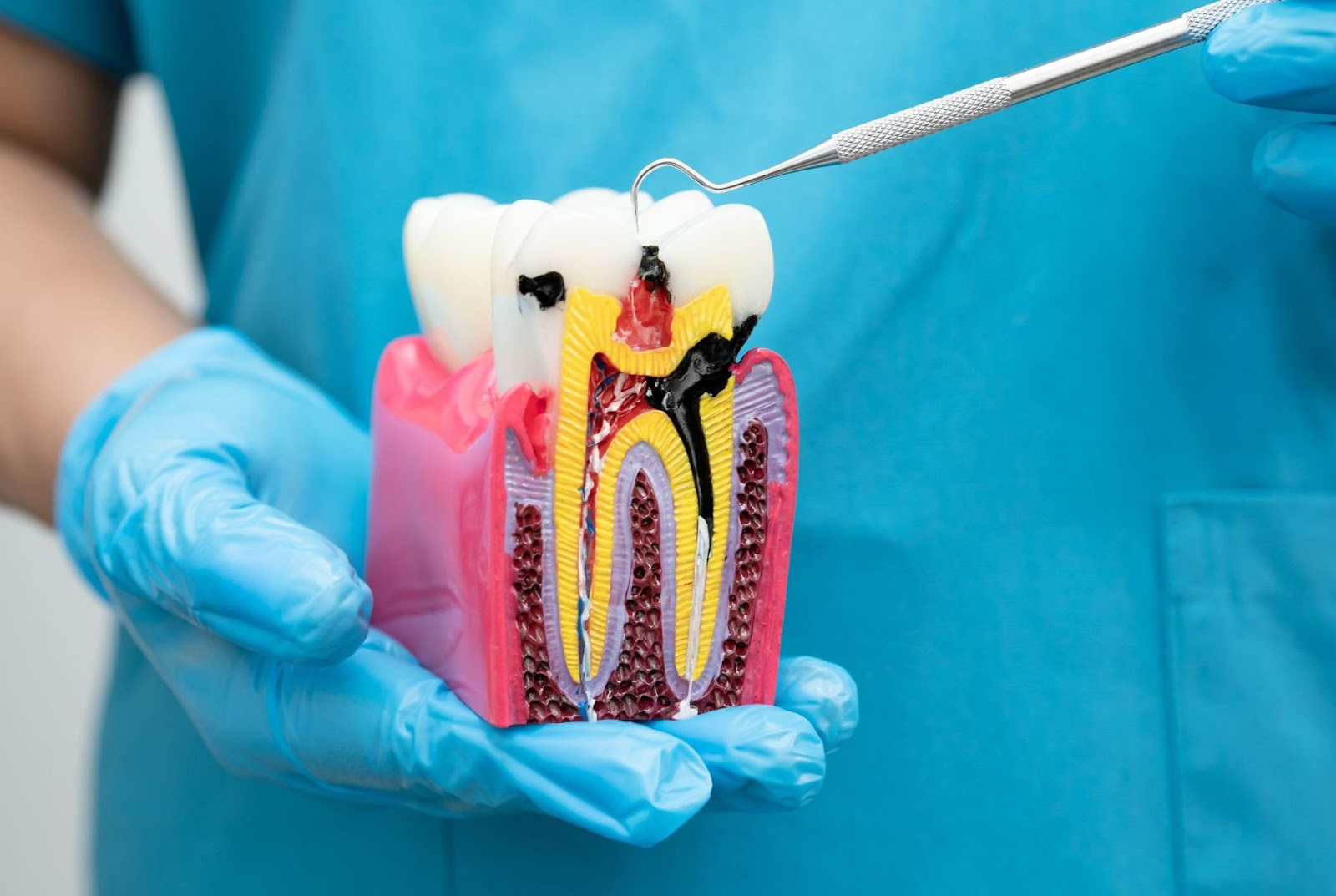
A dentist may suggest a root canal procedure to address issues within a tooth. Understanding the steps involved can help you feel more prepared for the appointment. The procedure is designed to handle problems in the soft tissue, or pulp, inside the tooth. Knowing what the process entails from start to finish provides clarity.
How Is the Tooth Prepared?
Before the root canal begins, your dentist will take steps to prepare the area. First, they often take X-rays of the affected tooth. This provides them with a clear picture of the tooth’s root canals, allowing them to assess the extent of any issues. This step is key for planning the procedure effectively.
Next, a local anesthetic is administered to numb the tooth and the surrounding gum tissue. This allows you to remain comfortable throughout the process. To keep the area dry and clean during the procedure, the dentist will place a small rubber sheet, called a dental dam, around the tooth. This isolates the tooth, protecting the rest of your mouth.
What Happens During a Root Canal?
Once the tooth is numb and isolated, the dentist will begin the root canal treatment. They start by creating a small opening in the crown of the tooth to access the pulp chamber. This opening enables the dentist to access the inner part of the tooth, where the work needs to be done.
The core of the procedure involves cleaning out the inside of the tooth. The dentist will use small, specialized instruments to remove the pulp from the pulp chamber and root canals. After removing the pulp, the dentist will carefully clean, shape, and disinfect the inner spaces of the tooth. This step prepares the tooth for filling. The cleaned canals are then filled with a rubber-like material. The final step of the procedure itself is often placing a temporary filling to close the opening in the tooth. This protects the tooth until a permanent restoration can be placed.
What Is the Recovery Like?
After your root canal is complete, the numbness from the anesthetic will gradually wear off over a few hours. It is common to experience some sensitivity or mild discomfort in the area for a few days. You can manage this with over-the-counter pain relievers if needed. Your dentist will provide specific instructions to follow.
It is a good idea to avoid chewing on the treated tooth until it has been permanently restored. The tooth may be more fragile after the procedure. Maintaining good oral hygiene by brushing and flossing as usual is necessary for healing. In most cases, you will need to return to your dentist for a permanent crown or other restoration to protect the tooth and restore its full function.
Visit a Dentist
A follow-up appointment is the final step in the process, confirming proper healing and placement of a permanent restoration, such as a crown or filling, for long-term protection. This appointment helps verify that the treated tooth is recovering correctly and strengthens it against future issues. If you have concerns about a tooth or want to learn more about root canals, scheduling a consultation with a dentist is the next best step. A dentist can assess your situation, address any questions you may have, and recommend the most suitable treatment for your oral health.