
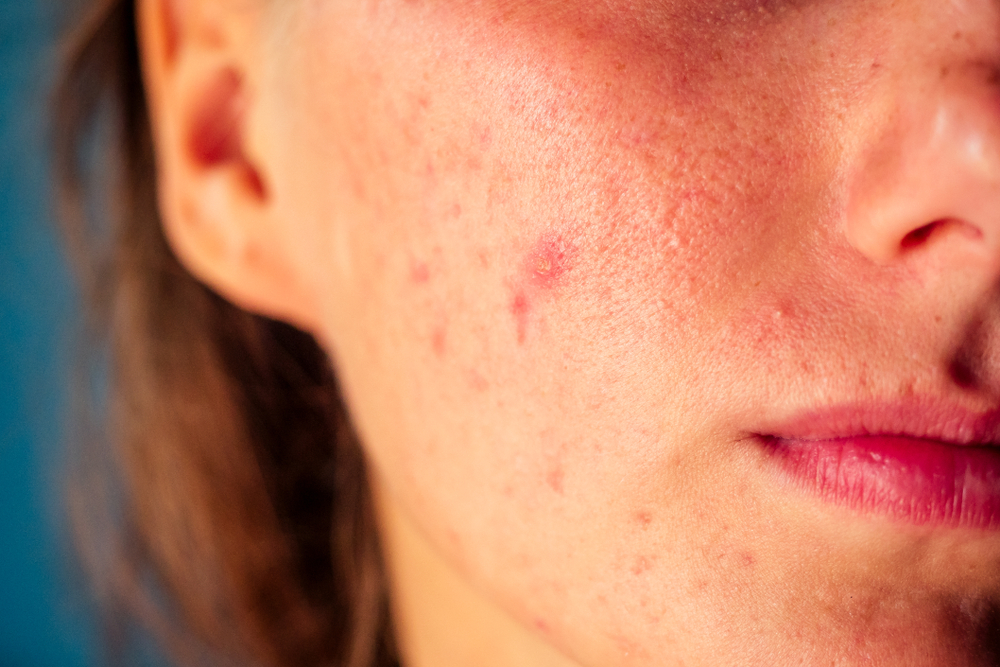
A skin doctor, or dermatologist, specializes in diagnosing and treating conditions that affect the skin, hair, and nails. Persistent rashes can be a sign of underlying issues ranging from allergies and infections to chronic skin disorders, making professional evaluation fundamental. Understanding why you should consult a skin doctor for ongoing rashes aids timely diagnosis, effective treatment, and long-term skin health.
When a Rash Becomes a Concern
Skin doctors look for specific warning signs that suggest a rash needs professional care. Rashes that spread to new areas of the body require evaluation by a skin physician. Also, rashes that cause severe itching, burning, or pain should be examined promptly.
Changes in the rash’s appearance also signal the need for a dermatologist consultation. This includes rashes that develop blisters, open sores, or areas of thick, scaly skin. Rashes accompanied by fever, swollen lymph nodes, or other symptoms of illness require immediate medical attention. Children with persistent rashes should consult a skin doctor, as their skin is more sensitive.
Accurate Diagnosis From a Skin Specialist
Skin doctors use specialized training to identify the exact cause of persistent rashes. They examine the rash’s location, pattern, and appearance under a microscope or magnification. Skin physicians also ask detailed questions about when the rash started, what makes it better or worse, and what products or substances you’ve contacted recently.
Many persistent rashes may appear similar but have distinct causes and require different treatments. A dermatologist performs specific tests to distinguish these conditions. They might take a small skin sample for laboratory testing or use special lights to examine the affected area.
Skin specialists also have access to advanced diagnostic tools that regular doctors don’t use. Some dermatologists use digital imaging to track the progression of rashes over time. This detailed approach leads to accurate diagnoses that guide effective treatment plans.
Targeted Treatment Options
Professional treatment from a skin doctor provides faster relief than home remedies alone. Dermatologists prescribe medications specifically chosen for your rash type. These treatments work more effectively than over-the-counter products because they target the root cause of the problem.
Prescription medications include topical creams, oral medications, and specialized treatments. Topical treatments deliver medicine directly to the affected skin area. Oral medications work throughout the body to address systemic causes of rashes. Treatment plans from skin specialists also include detailed instructions for home care. This guidance helps speed healing and prevents the rash from returning.
Preventing Future Skin Problems
Working with a skin doctor helps prevent future rash episodes. Dermatologists identify triggers that cause rashes to develop or worsen. Common triggers include certain fabrics, skincare products, foods, or environmental factors like pollen or pet dander. Once you know your triggers, you take steps to avoid them.
Skin specialists also teach proper skincare routines that maintain healthy skin. They recommend gentle cleansers, moisturizers, and sun protection products suited to your skin type. Regular follow-up appointments allow dermatologists to catch new skin problems early before they become persistent issues. Some people have genetic conditions that make them prone to recurring rashes. A dermatologist helps manage these conditions with ongoing care plans.
Book Your Skin Doctor Appointment Today
Persistent rashes indicate underlying conditions that need professional diagnosis and treatment. Ignoring persistent rashes may lead to complications like scarring, infection, or delayed treatment of serious conditions. Professional care from a skin specialist provides accurate diagnosis, targeted treatment, and prevention strategies. Schedule an appointment with a dermatologist today to get the expert care your skin needs.