
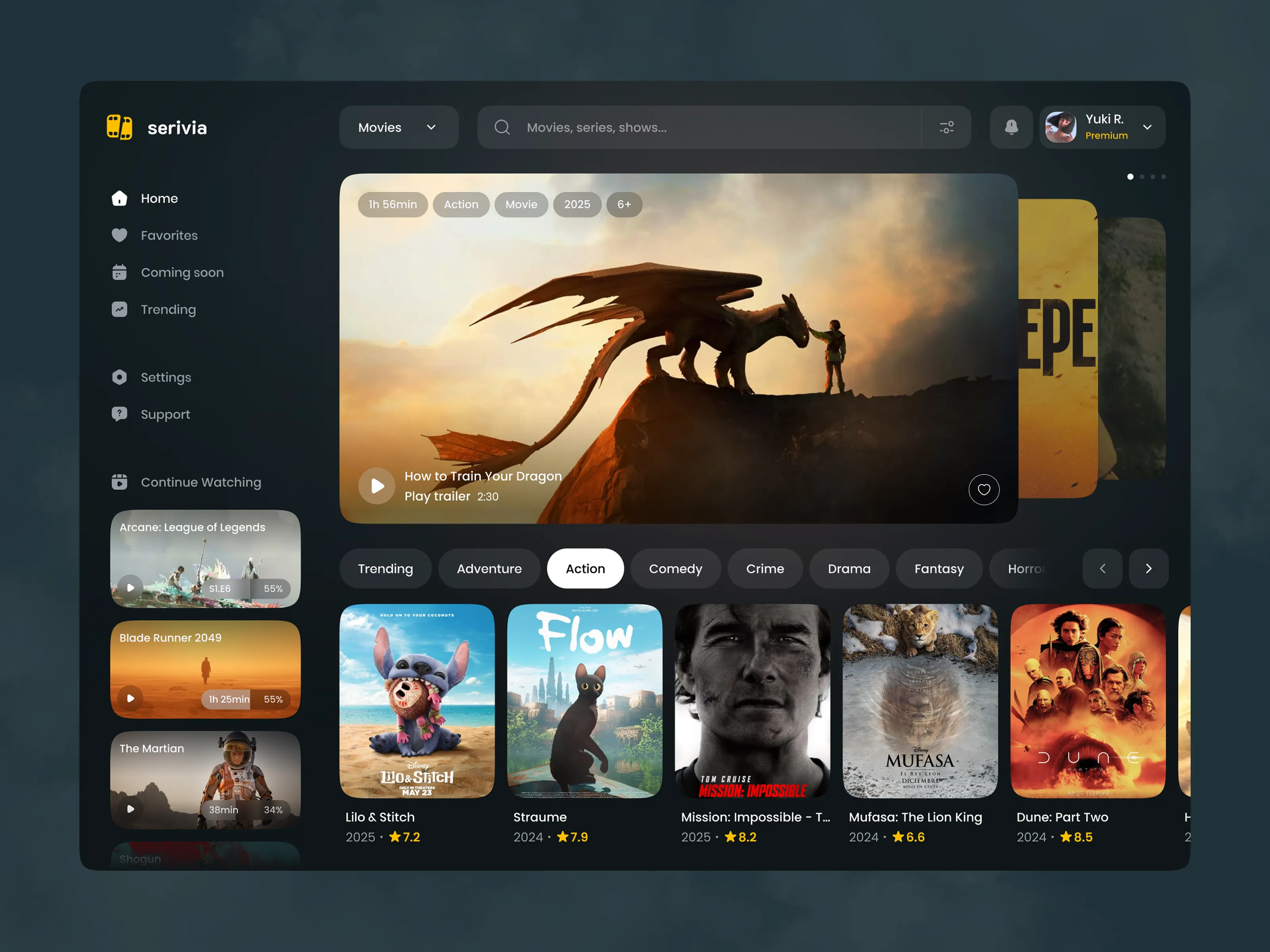
Choosing a movie streaming platform can seem simple until you start comparing different services. Many platforms offer large libraries, attractive interfaces, and promises of high-quality entertainment, but the actual viewing experience can vary significantly. Before choosing a service, it is worth looking beyond the number of movies listed and considering factors such as content quality, usability, streaming performance, privacy, and device compatibility.
For viewers exploring different entertainment options, boredsflix can be one example to consider when comparing how online movie platforms organize and present their content. However, a good streaming choice should always be based on several practical factors rather than appearance alone.
1. Check the Available Movie Library
The first thing to consider is whether a streaming platform has movies you actually want to watch. A platform may advertise thousands of titles, but a large library is not necessarily useful if most of the content does not match your interests.
Look for a balanced selection that includes different genres, release periods, and types of movies. Depending on your preferences, you may want action, comedy, drama, horror, animation, science fiction, documentaries, or family entertainment.
It is also useful to check whether the catalog is regularly updated. Movies can become unavailable over time because licensing arrangements and distribution rights change. A platform that continually refreshes its selection can provide a more useful long-term experience.
2. Consider Streaming Quality
Picture quality has a major effect on the overall viewing experience. A platform should ideally provide stable playback and appropriate video quality without constant buffering.
Look for information about available resolutions, including HD, Full HD, or 4K where applicable. However, resolution is only one part of streaming quality. A high-resolution video is not very useful if playback repeatedly pauses or takes a long time to load.
Your own internet connection also matters. A platform that performs well on a reliable connection may behave differently when bandwidth is limited. Responsive playback, sensible quality adjustment, and fast loading can make a noticeable difference.
3. Look at the User Interface
A good movie platform should make finding content easy. Users should not have to spend several minutes searching through confusing menus before they can start watching something.
Pay attention to the organization of categories, search functionality, movie descriptions, filters, and recommendations. A clean interface can make a large catalog much easier to navigate.
Search is particularly important. If you already know the name of a movie or actor, the platform should help you find the relevant title quickly. Useful categories can also help when you are not sure what you want to watch.
4. Check Device Compatibility
Before choosing a streaming service, find out whether it works with the devices you normally use.
Some viewers watch movies primarily on laptops or desktop computers, while others use smartphones, tablets, smart TVs, or streaming devices. A platform that works well on one device may not offer the same experience on another.
Also consider whether the website is responsive on smaller screens. A mobile-friendly design should allow users to browse titles, read descriptions, and control playback without excessive scrolling or awkward layouts.
5. Pay Attention to Privacy and Security
Privacy should not be overlooked when evaluating an online streaming platform. Before entering personal information, creating an account, or providing payment details, understand what information the service requests and how it handles that information.
A secure website should use HTTPS and should not unnecessarily request sensitive information. Users should also be cautious of suspicious pop-ups, unexpected downloads, misleading buttons, or pages that ask for information unrelated to the service.
It is useful to review a platform’s privacy policy and terms before signing up. The Federal Trade Commission’s consumer guidance also provides useful information about protecting personal information and recognizing online risks.
6. Understand the Business Model
Different streaming platforms operate in different ways. Some use subscriptions, some are advertising-supported, and others may provide individual rentals or purchases.
Understanding how a service operates can help you determine whether it is suitable for your viewing habits. If a platform has a subscription, check the actual price, billing frequency, cancellation terms, and available plans.
Advertising can also affect the viewing experience. Some free services may rely heavily on advertisements, while paid services may offer fewer interruptions. Neither model is automatically better; the important thing is knowing what to expect before using the service.
7. Look for Clear Movie Information
A useful streaming platform should provide enough information about each movie to help viewers decide whether they want to watch it.
Useful details can include the movie title, genre, release year, runtime, synopsis, cast, language, and available video quality. Ratings or reviews can also help viewers make decisions, although they should not necessarily be the only factor.
Clear descriptions are especially valuable when browsing unfamiliar titles. Instead of opening multiple pages to find basic information, viewers should be able to understand the essentials from the movie’s main information page.
8. Evaluate Search and Discovery Features
Not every viewing session starts with a specific movie in mind. Sometimes you simply want to discover something new.
Good recommendation and discovery features can make this easier. Categories such as recently added movies, popular titles, genres, or similar movies can help users explore a catalog without knowing exactly what they want.
However, recommendations should remain useful rather than repetitive. A platform that continually displays the same limited selection may make a large catalog feel much smaller.
9. Check Playback Controls
Small playback features can make a surprisingly large difference. Basic controls such as pause, play, volume, full-screen viewing, and seeking should work smoothly.
Depending on the platform, additional features such as subtitles, language options, playback-speed controls, or remembering viewing progress can make the experience more convenient.
Users should also check how quickly playback begins after selecting a title. A simple and responsive player usually creates a better experience than one surrounded by unnecessary steps or intrusive elements.
10. Read Reviews Carefully
Online reviews can provide useful information, but they should be interpreted carefully. One extremely positive or negative review does not necessarily represent the typical experience.
Look for repeated comments about the same issues. If multiple users mention poor playback, excessive advertising, difficult navigation, or unreliable customer support, those patterns may be worth considering.
It can also help to compare reviews from different sources instead of relying entirely on testimonials displayed on the platform itself.
11. Consider Customer Support
Problems can happen even with established streaming services. A movie may fail to load, an account may have an issue, or a payment problem may need to be resolved.
Before committing to a platform, see whether it provides a recognizable support system. This might include a help center, frequently asked questions, email support, or another clearly explained contact method.
A platform that communicates clearly about technical and account problems is generally easier to use over time.
12. Compare the Overall Experience
Ultimately, choosing a movie streaming platform is about more than one feature. A large catalog does not compensate for constant buffering, and excellent video quality does not help much if the interface is difficult to navigate.
Consider the complete experience: content selection, streaming performance, device support, interface design, privacy practices, pricing or advertising, playback features, and customer support.
It is also worth checking whether the service is legitimate and whether its content is offered through appropriate licensing and distribution arrangements. This can help users avoid unnecessary security, privacy, or legal concerns.
Conclusion
Finding the right movie streaming platform requires a little more thought than simply choosing the service with the largest catalog. Viewers should consider what movies are available, how reliably they stream, how easy the website is to navigate, which devices are supported, and how the platform handles privacy and security.
Features such as search tools, movie information, playback controls, recommendations, and customer support can also influence the overall experience. By comparing these factors before choosing a platform, viewers can make a more informed decision and find an option that fits their entertainment habits.