
Evaluating heart health is an aspect of diagnosing and managing cardiovascular conditions. Among the advanced diagnostic tools available, nuclear stress testing holds a prominent place in cardiology. Explore cardiac stress testing, its purpose, procedure, applications, and benefits in effectively diagnosing and managing heart health.
What is Nuclear Stress Testing?
Nuclear stress testing is a specialized diagnostic method used to assess the health and functionality of the heart. It involves using a small amount of radioactive tracing material to create detailed images of blood flow within the heart under both resting and stress-induced states. The test provides invaluable insights into the heart’s functioning and identifies areas where blood flow may be compromised.
How Does the Test Work?
The process begins with the placement of an intravenous (IV) line to administer a radioactive tracer. Initial images of the heart’s blood flow are taken during the resting phase while the patient is at rest. Electrodes are attached to the chest to monitor heart rhythm, and a blood pressure cuff is used to measure blood pressure.
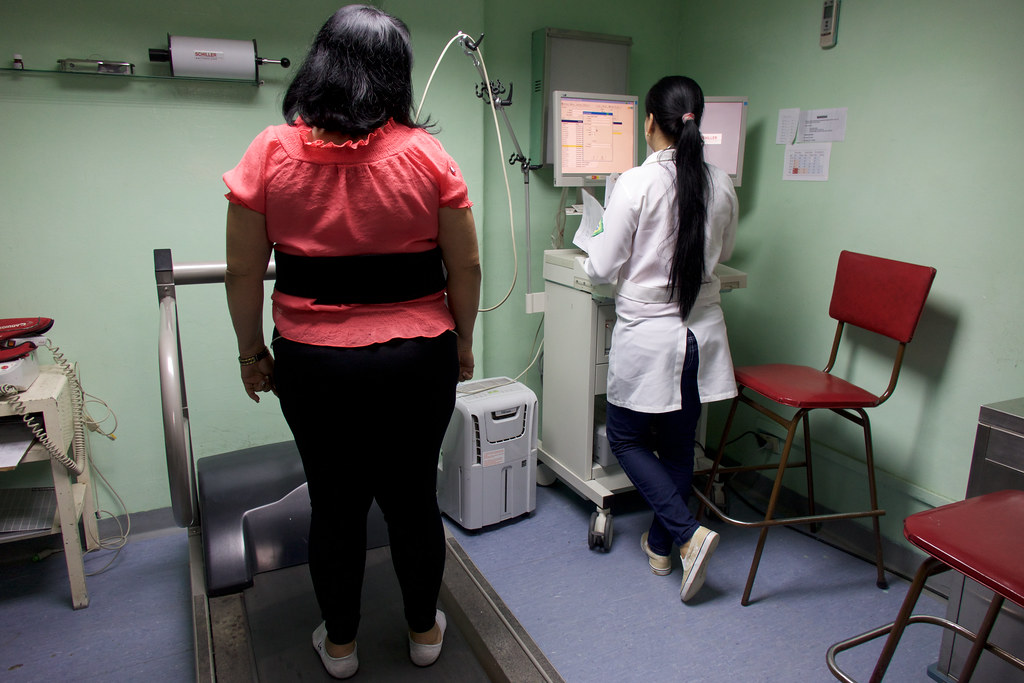
During the stress phase, the patient performs physical activity, such as walking on a treadmill or riding a stationary bike. If the patient cannot exercise, doctors may administer medication to mimic the effects of exercise by increasing the heart rate. The radioactive tracer circulates through the bloodstream during and after this phase, enabling advanced imaging techniques to capture detailed visuals of blood flow. Specialists analyze the images to pinpoint areas with restricted or irregular blood flow, providing insights into potential heart conditions.
Who may Require Testing?
Nuclear stress testing is typically recommended for individuals experiencing symptoms indicative of cardiac issues, such as chest pain or shortness of breath. It may be utilized in the following scenarios:
- Diagnosis of Coronary Artery Disease (CAD): Identifies blockages in the coronary arteries that may restrict blood flow.
- Monitoring Known Heart Conditions: Assesses the effectiveness of treatments or interventions in individuals already diagnosed with heart disease.
- Pre-Surgical Evaluations: Helps make sure the heart is prepared to handle the stress of surgical procedures.
What are the Benefits of Advanced Imaging?
Cardiac stress testing offers several advantages over traditional diagnostic methods, making it a preferred choice for medical practitioners:
- High Precision: The use of radioactive tracers and advanced imaging enables unparalleled accuracy in visualizing blood flow and detecting abnormalities.
- Dual Assessment: Combines both rest and stress evaluations to provide a comprehensive view of heart health.
- Early Detection: Identifies potential issues before they develop into severe conditions, enabling timely interventions.
- Guided Treatment: The test results can inform the selection of targeted treatment plans and therapies.
Key Takeaways
Nuclear stress testing is a powerful diagnostic tool that enables the accurate evaluation of heart health. It is beneficial for individuals experiencing cardiac symptoms or those diagnosed with heart disease. The procedure combines rest and stress assessments with advanced imaging techniques to provide precise insights into blood flow and cardiac function. This innovative testing method empowers both clinicians and patients to make informed decisions on managing and improving heart health. Schedule your test today and take the first step toward better heart health.


Leave a Reply