
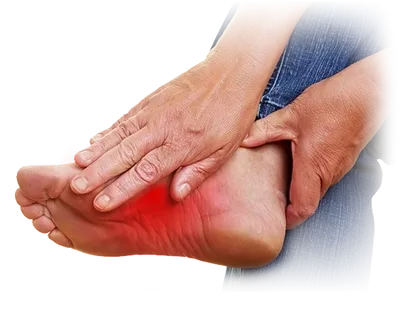
Foot pain is a common issue that can result from injury, overuse, or underlying medical conditions. While severe or persistent discomfort should be evaluated by a healthcare professional, mild foot pain often responds well to home remedies. Here is more information on three effective methods to manage and alleviate this type of pain in the comfort of your home:
Utilizing Temperature Therapy
Applying cold or heat to the affected area can provide significant relief from foot pain. Cold therapy, such as using an ice pack or a bag of frozen vegetables wrapped in a cloth, helps reduce inflammation and numb sore areas. This method is particularly useful for pain caused by sprains, fractures, or overuse. Apply cold therapy for 15 to 20 minutes at a time, several times a day, to achieve the best results.
Heat therapy works well for soothing stiff or aching muscles. A warm foot soak, heating pad, or warm compress can increase blood flow to the area. Heat is beneficial for chronic pain or discomfort caused by muscle fatigue. Avoid applying heat to areas with significant swelling, as warmth can exacerbate inflammation. Alternating between cold and heat therapy can sometimes enhance relief by addressing swelling and tension.
Performing Physical Exercise
Targeted exercises can improve flexibility, reduce discomfort, and prevent future pain. Gentle stretches focusing on the muscles and tendons in the feet can alleviate soreness while also enhancing overall foot health. Toe stretches can be performed by gently pulling each toe backward and holding the position for a few seconds to increase flexibility. This stretch targets the Achilles tendon and plantar fascia.
Strengthening exercises, such as performing marble pickups or toe curls, can build stability in the muscles that support the arch and toes. To perform marble pickups, place a few marbles on the floor and use your toes to pick them up one by one. Toe curls can be done by crumpling a towel with your toes while keeping your heel on the floor. Regularly incorporating stretching and strengthening exercises into your routine can reduce pain.
Selecting Proper Footwear
Massage can relieve foot pain by easing muscle tension and improving circulation. Apply moderate pressure to the soles of the feet using your thumbs, fingers, or a massage tool. Focus on the arch, ball, and heel, working in circular motions to release tight muscles. Massaging specific areas, such as the arch, can help alleviate conditions like plantar fasciitis by breaking down adhesions.
Another key aspect of managing foot pain is wearing appropriate footwear. Shoes with proper arch support, cushioning, and a comfortable fit protect your feet from strain and injury. Avoid high heels or shoes that pinch the toes, as these can exacerbate discomfort. Using orthotic insoles or custom inserts can also provide additional support tailored to your specific needs. Choosing footwear that accommodates your activity level and foot structure can prevent recurring pain and promote foot health.
Get Treatment for Foot Pain
Addressing foot pain at home often involves a combination of cold and heat therapy, exercises to strengthen and stretch the feet, and routine massage. These methods not only provide relief from pain but also promote healthier feet. Stay consistent with these remedies and monitor your response to each approach. If foot pain persists or worsens, consult a healthcare professional for further evaluation and treatment.