
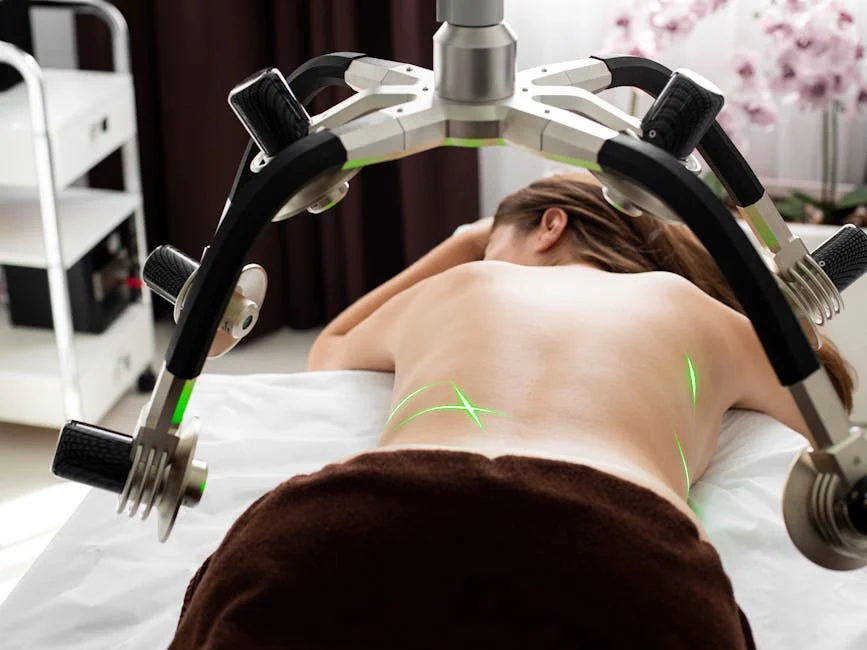
Liposuction ranks among the most frequently performed cosmetic procedures worldwide, with millions of people choosing this fat removal technique annually. This surgical procedure removes excess fat deposits from specific areas of the body through suction, creating more defined contours and proportions. Understanding the long-term outcomes of liposuction helps individuals make informed decisions about whether this procedure aligns with their aesthetic goals and lifestyle expectations.
Understanding the Physical Changes
Liposuction produces lasting changes to body shape and proportion when performed by qualified plastic surgeons. The procedure targets stubborn fat deposits that resist diet and exercise, particularly in areas such as the abdomen, thighs, hips, arms, and neck. Fat cells removed during liposuction do not regenerate, meaning the contour improvements typically remain permanent.
The treated areas maintain their new shape as long as patients maintain a stable body weight. Weight fluctuations after liposuction can affect results, with significant weight gain potentially diminishing the contouring effects. Fat that accumulates after the procedure distributes more evenly across the body rather than concentrating in previously problematic areas.
Recovery from liposuction involves swelling and bruising that gradually subsides over several weeks to months. Final results become apparent approximately three to six months post-procedure, once all swelling resolves and tissues settle into their new positions. Skin typically adapts well to the new contours, though this depends on factors such as age, skin elasticity, and the amount of fat removed.
Improving Lifestyle Factors
Many individuals experience improved self-confidence and body image satisfaction following liposuction. The procedure can address areas of concern that have affected clothing choices, physical activities, or social situations. This psychological benefit often extends beyond the physical changes, influencing how individuals perceive themselves and interact with others.
Liposuction may motivate some patients to adopt healthier lifestyle habits. The investment in cosmetic surgery often encourages individuals to maintain their results through regular exercise and balanced nutrition. This behavioral change can contribute to overall health improvements and weight management success.
The procedure can also eliminate physical discomfort associated with excess fat in specific areas.
Social and professional confidence may improve following liposuction. Individuals often report feeling more comfortable in professional settings, social gatherings, and intimate relationships. This increased confidence can translate into improved quality of life and willingness to participate in activities previously avoided.
Exploring Long-term Maintenance
Maintaining liposuction results requires ongoing commitment to healthy lifestyle practices. Regular exercise helps preserve muscle tone and overall body composition, while balanced nutrition prevents significant weight fluctuations that could affect results. Patients who maintain stable weights typically enjoy their liposuction outcomes for many years.
Age-related changes continue to affect the body after liposuction. Natural aging processes, including skin elasticity changes and hormonal fluctuations, can influence how results appear over time. While the fat removal remains permanent, these factors may subtly alter body contours as years pass.
Follow-up care plays a role in long-term satisfaction with liposuction results. Regular consultations with the surgical team allow for monitoring of healing progress and addressing any concerns that arise. Some patients may benefit from complementary treatments such as skin tightening procedures or maintenance sessions.
Learn More About Liposuction
The long-term benefits of liposuction extend beyond immediate physical changes to encompass psychological, social, and lifestyle improvements. The procedure offers permanent fat removal from targeted areas, improved body proportions, and enhanced self-confidence for many patients. Success depends on maintaining realistic expectations, committing to healthy lifestyle practices, and working with qualified medical professionals.