
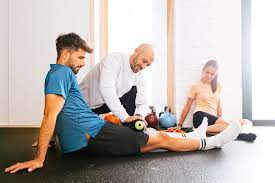
Athletic performance depends on several physical systems working together efficiently. The musculoskeletal system, which includes bones, muscles, joints, ligaments, and tendons, plays a fundamental role in movement and stability during sporting activities. Orthopedics is the medical specialty that studies and helps manage the musculoskeletal system. Here’s more information about this area of medicine and how it relates to overall athletic performance:
Understanding the Foundations of Movement
Movement forms the base of athletic success. Every leap, sprint, or swing draws on the coordinated activity of the musculoskeletal system. Orthopedics offers key insights into how these systems interact to generate precise, powerful motions. A musculoskeletal system that functions well provides the range of motion, strength, and stability athletes require to perform consistently and pursue peak performance.
Orthopedic specialists focus on the mechanics of muscles, tendons, bones, and joints. They examine movement patterns to identify where athletes might benefit from adjustments or targeted support. This structured approach breaks down actions into detailed steps; it enables more efficient improvements and helps prevent disruptions from repetitive stress or improper technique.
Addressing Injuries and Supporting Longevity
In sports, injuries are a common obstacle to sustained progress. While immediate management of injuries, such as strains or joint issues, is key, orthopedics takes a broader perspective by promoting prevention. Experts assess biomechanical issues and training routines, helping athletes address muscle imbalances or weaknesses that elevate the risk of injury.
Key strategies include:
- Conducting movement assessments.
- Highlighting potential risk areas.
- Suggesting individualized training adjustments.
- Focusing on balance, flexibility, and joint health.
This proactive attention to potential problems is fundamental for athletes seeking long-term participation and achievement. By addressing issues before they become serious, athletes can reduce downtime and maintain consistent performance. Integrating orthopedic guidance into regular training routines supports overall physical resilience and career longevity.
Utilizing Biomechanics for Performance Optimization
Biomechanics is the scientific study of movement, and it forms a central part of both orthopedics and sports performance. When specialists examine how an athlete moves, they look for patterns that either enhance or limit efficiency. A distance runner’s stride or a tennis player’s serve represents a combination of joint angles, muscle coordination, and timing.
By applying orthopedic principles, athletes have opportunities to refine motion patterns and reduce unnecessary stress on specific body parts. They can develop routines that aim for optimal force production and energy transfer. Adjusting these mechanics helps boost performance, and it reduces cumulative wear and tear from repetitive sport-specific actions.
Building Collaborative Strategies
Orthopedics in sports involves more than treating injuries, as orthopedic professionals may work alongside coaches, trainers, and athletes to align care and recovery with evidence-based practices. A methodical, team-based approach supports both the immediate and long-term goals of athletic participation. Possible opportunities for collaboration include:
- Developing customized strength and conditioning programs that reflect each athlete’s needs.
- Implementing recovery protocols that address fatigue and promote musculoskeletal health.
- Educating athletes on proper techniques and body mechanics to prevent injuries.
Advancing Athletic Potential With Orthopedics
Orthopedics delivers key knowledge and practical strategies that help athletes pursue optimal performance. The specialty addresses acute injuries, and it focuses on biomechanical efficiency, preventative measures, and personalized care. For those looking to reach new athletic goals, contemplating the structure and function of the musculoskeletal system is helpful. Collaborate with qualified professionals and prioritize musculoskeletal health today to support lifelong activity and achievement.