
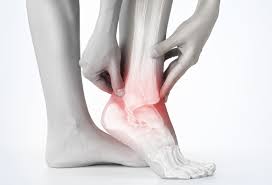
Ankle injuries, whether caused by accidents or long-term wear, often demand targeted treatment plans. While many cases respond well to physical therapy and medication, certain situations require surgical intervention. Here are four primary surgical options for addressing an ankle injury:
Ankle Fusion
Ankle fusion is a surgery used to treat severe arthritis or significant joint instability. During the procedure, damaged cartilage is removed, and the bones are joined together using screws, plates, or rods. This eliminates the source of pain but also limits ankle movement. While this can affect mobility, it helps stabilize the joint and reduces discomfort.
The healing process may take several months, during which the patient typically wears a cast or boot. Physical therapy may be recommended to improve movement in nearby joints. This surgery is especially beneficial for those experiencing chronic pain that interrupts daily life. After a surgeon fuses the ankle, patients may find they can enjoy greater freedom from pain and improved quality of life.
Achilles Repair
Achilles tendon repair serves those with tendon ruptures or severe tendon degeneration. The Achilles, the body’s strongest tendon, supports walking, running, and jumping. Tears may result from strenuous activity or sudden pressure. During surgery, a surgeon stitches together torn sections, or in degenerative cases, removes and replaces damaged tissue using nearby grafts.
Post-operation care following an ankle injury and surgery involves about six to twelve weeks in a cast or boot to protect the tendon. Gradual stretching and strengthening exercises then follow to restore movement and reduce stiffness. Though the recovery period can feel lengthy, many patients return to their pre-injury activity levels with proper rehabilitation.
Bunion Correction
Bunion correction focuses on addressing the bony protrusion near the base of the big toe. While footwear issues are a typical cause, bunions can also result from genetics or inflammatory conditions. These changes occur when the bones in the foot become misaligned, leading to pain and affecting the entire foot’s mechanics. Treatment options include removing the protruding bone, realigning the joint, and stabilizing it with plates or screws.
Flatfoot Reconstruction
Flatfoot reconstruction addresses the collapse of the foot’s arch, a condition that causes pain and instability. Flatfoot occurs when tendons, ligaments, or bones supporting the arch weaken or fail. The goal of surgery is to rebuild the arch, typically through a combination of tendon repair, bone reshaping, and joint stabilization.
Recovery usually involves strict weight-bearing restrictions followed by physical therapy. Restoring proper foot alignment helps reduce pain and prevents further problems. This procedure is especially beneficial for people whose flatfoot causes significant discomfort or interferes with normal activities.
Get Help for an Ankle Injury
These procedures provide a variety of solutions tailored to specific injuries. Whether it’s joint damage, tendon tears, or bunions, each aims to restore function and reduce pain. Working closely with an experienced surgeon and following a personalized recovery plan is key to long-term success. Having the right medical team helps every step, from diagnosis to recovery, to be handled with care. If you have an ankle injury, schedule an appointment with a foot and ankle specialist near you for effective treatment options.