
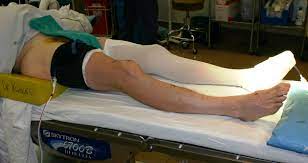
Knee replacement surgery is a procedure to resurface a knee damaged by arthritis. Surgeons typically use metal and plastic parts to cap the ends of the bones that form the knee joint, along with the kneecap. This procedure may alleviate pain and correct leg deformity for individuals with severe knee damage. Here are some key steps for the recovery period following the surgery:
1. Begin Physical Therapy
Physical therapy typically starts shortly after the surgery. A surgeon can guide you through exercises designed to restore movement and strength to your knee. These initial exercises focus on flexing and extending the joint, and they are performed multiple times a day to promote circulation and prevent stiffness.
You may learn how to walk with support, such as a walker or crutches, and your therapist will show you how to navigate stairs and get in and out of a chair. Continuing with a consistent physical therapy regimen after leaving the hospital is a part of the recovery process. The exercises may become more advanced as your knee heals, with a focus on strengthening muscles and improving the range of motion.
Adhering to the prescribed physical therapy plan facilitates progress. The therapist monitors your movements, adjusts exercises based on your progress, and helps you work toward functional goals, such as walking without assistance. Staying motivated and communicating openly with your therapist about any challenges or pain may lead to a smoother and more effective recovery.
2. Manage Pain
Managing discomfort is a component of the post-operative phase after a knee replacement. Your medical team may provide a pain management plan, which may include medication. It is beneficial to take pain medication as prescribed, particularly before physical therapy sessions, as this can make it easier to perform the necessary exercises. Communicating with your healthcare provider about your pain levels allows them to adjust your plan as needed.
In addition to medication, other methods can help manage pain and swelling. Applying ice packs to the knee might help to reduce inflammation. Elevating your leg above the level of your heart also helps to minimize swelling. These techniques are typically recommended for use after exercise and throughout the day to provide comfort.
3. Increase Activity Gradually
As you recover, you will slowly increase your activity level. This helps build endurance and strengthens the muscles supporting your new knee. Pacing yourself is a key aspect of this phase, allowing ample time for healing.
Avoid activities that place excessive strain on the knee, such as twisting, jumping, or running. Your surgeon or physical therapist will provide guidance on when you may resume activities like driving, gardening, or other hobbies. Listening to your body and resting when you feel tired will support the healing process.
4. Follow Surgeon’s Instructions
Your surgeon will provide specific instructions for your care after you are discharged from the hospital. These instructions cover various aspects of your recovery. This includes details on wound care, such as how to keep the incision site clean and dry to prevent infection. You will also receive information on signs of potential complications to watch for, like increased redness, swelling, or drainage from the incision.
Get Guidance After a Knee Replacement
The recovery journey after knee replacement surgery is a gradual process that involves multiple steps. From initiating physical therapy and managing pain to slowly reintroducing activities, each phase builds upon the last. Following the specific instructions provided by your surgical team gives you a clear path for your post-operative care. Contact an orthopedic clinic to schedule a consultation and get the guidance you need for your rehabilitation.