
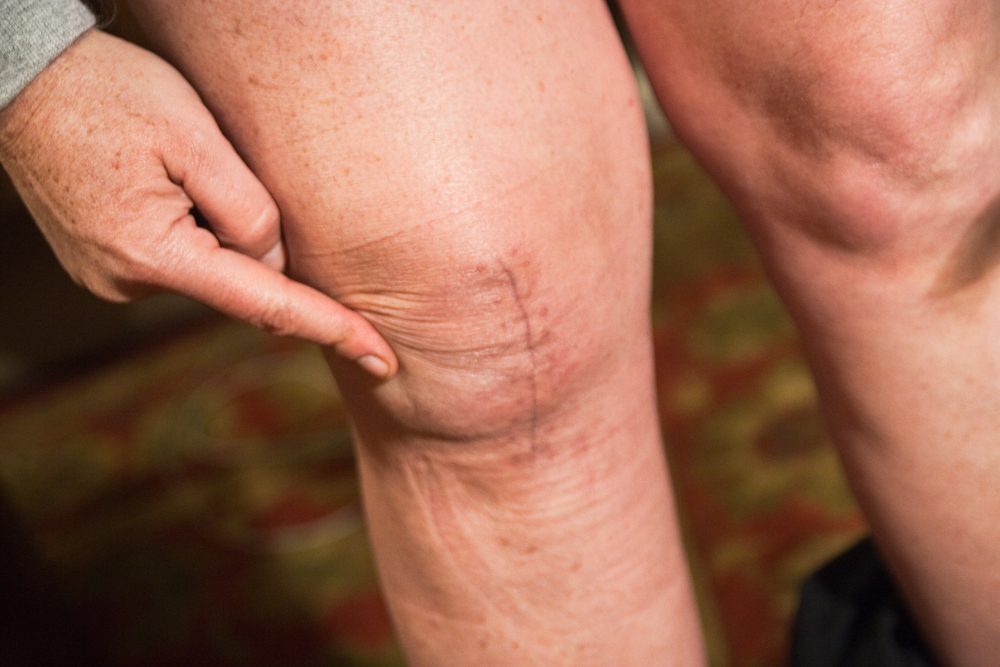
A knee replacement is a significant surgery, and understanding the recovery timeline helps patients prepare for the journey ahead. While every patient heals differently, most can expect initial recovery to take about six weeks, with improvements continuing for several months. In the first two weeks, mobility is limited, but physical therapy begins early to encourage healing and restore movement. By six weeks, many patients are walking with minimal assistance, though some soreness and stiffness remain. Full recovery may take three to six months, depending on age, overall health, and adherence to rehabilitation exercises. Patients often notice steady progress as pain decreases and strength returns to the joint. While it can feel like a long process, consistent effort leads to lasting results and improved quality of life.
How Can Physical Therapy Improve Recovery?
Physical therapy is one of the most critical elements of a successful knee replacement recovery. Therapists guide patients through exercises that improve flexibility, strength, and balance. These activities help the knee joint regain its full range of motion and reduce the risk of long-term stiffness. Therapy also supports muscle strengthening in the leg, which plays a role in protecting the new joint.
Most patients attend therapy multiple times per week in the early stages, gradually shifting to independent home exercises. Healing from a knee replacement requires more than just physical therapy sessions. Lifestyle adjustments can speed recovery and make the process more comfortable. Maintaining a healthy diet provides the nutrients needed for tissue repair, while staying hydrated supports circulation.
Adequate sleep is equally vital, as the body heals most effectively during rest. Patients should also avoid high-impact activities, like running or jumping, until cleared by their surgeon. Instead, low-impact exercises such as swimming, cycling, or walking are encouraged to build endurance without overloading the joint. Managing weight is another important factor, as less stress on the knee allows for smoother movement. Small daily habits, when practiced consistently, can make a significant difference in recovery outcomes.
What Challenges Should Patients Expect During Recovery?
Even with careful planning, challenges are common during knee replacement recovery. Pain, swelling, and stiffness can be frustrating, especially in the early stages. Some patients may feel discouraged by slow progress, but it is important to remember that recovery happens gradually. There may also be temporary limitations on driving, working, or engaging in hobbies.
Emotional challenges, such as impatience or anxiety, can arise when recovery feels longer than expected. However, open communication with healthcare providers can address these concerns and provide reassurance. Support from family, friends, and therapists can also help patients stay motivated. With persistence and the right mindset, most challenges can be overcome successfully.
Begin Your Knee Replacement Journey
Recovering from a knee replacement takes patience, commitment, and the right guidance, but the results can transform mobility and quality of life. By following medical advice, engaging in physical therapy, and adopting healthy daily habits, patients can enjoy smoother recovery and long-term joint function. While challenges will arise, each step forward builds strength and confidence. If you are preparing for or recovering from surgery, now is the time to focus on strategies that support healing. With consistency and support, you can look forward to walking, exercising, and enjoying daily activities with renewed freedom. Take the next step toward your recovery by staying proactive and dedicated to your goals.