
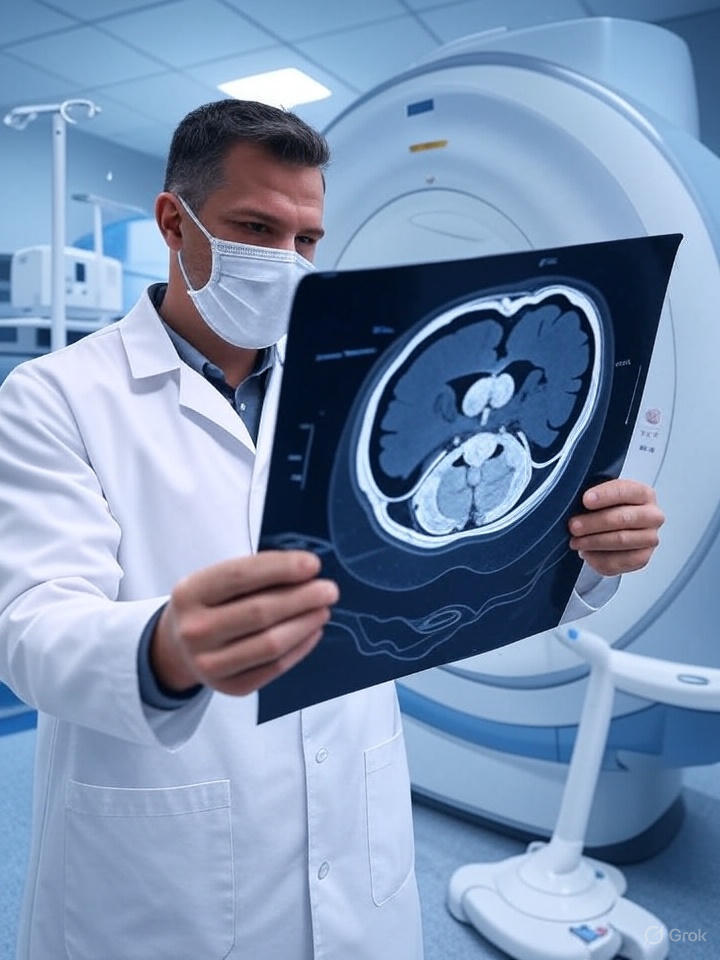
Neurocritical care is a specialized area of medicine that treats patients with severe conditions affecting the brain, spinal cord, and nervous system. It utilizes advanced monitoring and modern treatments to aid patients in recovering from complex neurological emergencies. Healthcare professionals in this field work to stabilize patients and provide targeted care. Here are some modern advancements in this field:
Stroke Treatment
Advanced imaging technology has dramatically improved how medical teams treat strokes. CT scans and MRI diffusion imaging help doctors quickly identify damaged brain tissue within minutes of a patient’s arrival. These tools enable doctors to make fast treatment decisions that increase the chances of recovery. New stroke units now use real-time monitoring systems that track brain pressure, oxygen levels, and blood flow. Medical teams utilize this continuous data to adjust medications and treatments with precision.
Brain Bleeds
Surgical techniques for treating brain hemorrhages have evolved substantially in recent years in neurocritical care. Minimally invasive approaches now enable surgeons to drain blood collections through small openings, rather than through traditional open surgery. These procedures reduce tissue damage and shorten recovery times for many patients.
Monitoring devices placed directly into brain tissue provide detailed information about pressure changes and blood flow patterns within the brain. This data helps medical teams adjust treatment strategies in real-time, preventing secondary complications that can occur after initial bleeding episodes.
Advanced coiling and stenting procedures address aneurysms before they rupture or help seal them after bleeding occurs. These techniques involve navigating tiny instruments through blood vessels to place protective devices at weak spots in artery walls. The procedures may eliminate the need for open brain surgery while effectively preventing future bleeding episodes.
Spinal Cord Injuries
Specialized cooling protocols are now used immediately after a spinal cord injury to protect the tissue. Medical teams carefully lower the body temperature to reduce inflammation and prevent further cell death. This technique has shown promise in preserving functions that might otherwise be lost.
New surgical stabilization methods use advanced materials and precise placement techniques to support damaged spinal segments. Surgeons now use computer-guided systems to position hardware with millimeter accuracy. These improvements help reduce surgery time and lead to better long-term outcomes for patients with complex spinal injuries.
Rehabilitation programs now incorporate robotic assistance devices that aid patients in relearning movement patterns. These systems offer precise support and feedback during therapy, enabling patients to practice movements safely as their nervous systems recover. Early mobility protocols also help prevent complications that used to prolong hospital stays.
Brain Tumors
Intraoperative MRI systems allow surgeons to scan patients during tumor removal procedures. These real-time images help surgeons identify and remove all tumor tissue while preserving healthy brain areas. The technology has improved surgical outcomes and reduced the need for repeat procedures. Patients remain conscious during parts of these procedures, helping surgeons avoid damage to areas that control language, motor skills, and other functions.
Find Advanced Neurocritical Care
If you or a loved one needs specialized neurological care, look for facilities that offer comprehensive neurocritical services. Contact medical centers with dedicated neurocritical care units to discuss treatment options and access to the latest advances in neurological medicine. Schedule an appointment with a specialized team today.