
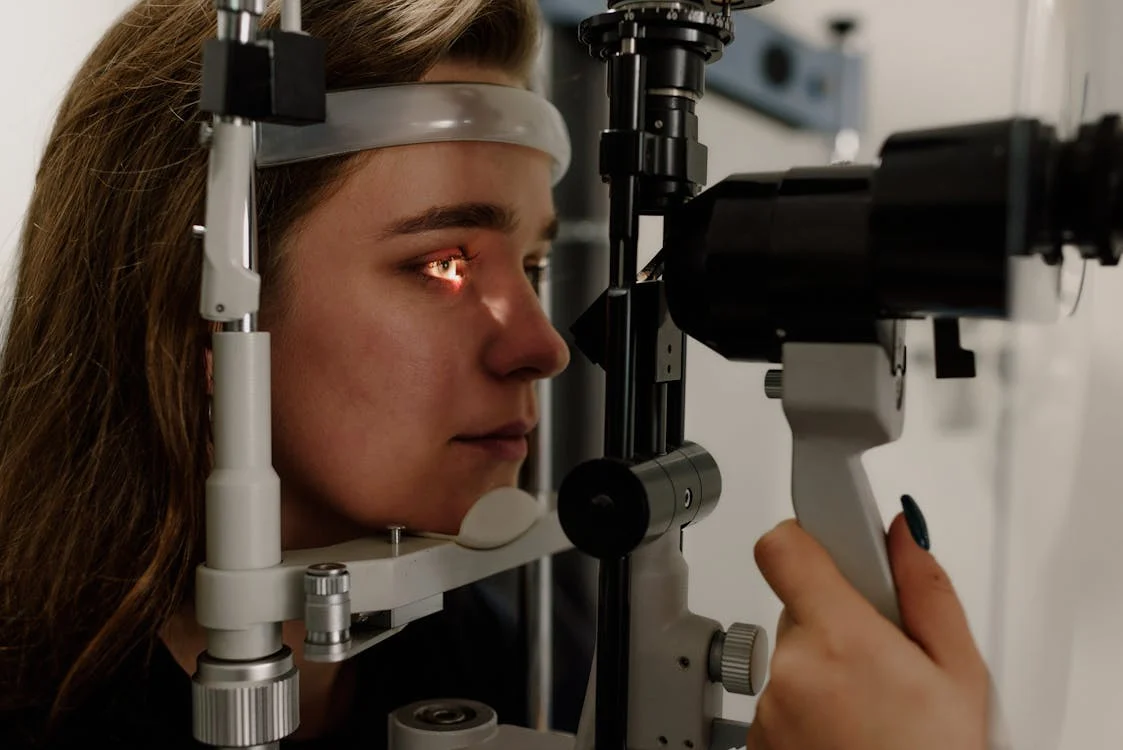
Lasik is a popular vision correction procedure designed to reduce or eliminate the need for glasses and contact lenses. The process involves reshaping the cornea with a laser so light enters the eye properly and focuses on the retina. This allows patients to see more clearly without external corrective devices. Before treatment, the eye is numbed with drops to make the procedure comfortable and virtually painless. A thin flap is created on the cornea, lifted, and then the laser reshapes the underlying tissue. Once the cornea is corrected, the flap is carefully repositioned to heal naturally. The procedure usually takes less than 30 minutes for both eyes combined. Recovery is generally quick, with many people noticing improved vision within a day. Because of its precision and speed, Lasik has become one of the most widely performed elective eye surgeries worldwide.
Who Makes a Good Candidate for LASIK?
Not everyone is the right candidate for Lasik, and a thorough evaluation with an eye doctor is necessary. In general, patients should be over 18 and have had a stable vision prescription for at least one year. Candidates should also have healthy eyes, free from conditions such as glaucoma, cataracts, or severe dry eye. The thickness of the cornea plays a key role, as it must be sufficient for safe reshaping.
Individuals with autoimmune diseases or certain health conditions may not be suitable due to slower healing. Pregnant or nursing individuals are typically advised to wait before scheduling surgery. Lifestyle factors, such as participation in contact sports, can also affect candidacy. A detailed consultation with an eye doctor helps determine if the procedure is safe and beneficial. Lasik provides many benefits that make it appealing to those seeking vision correction. The primary advantage is improved vision, with many patients achieving 20/20 sight or better. For most, this means no longer relying on glasses or contact lenses for daily activities.
The procedure is quick, with minimal discomfort and rapid recovery. Most people return to work or normal routines within a day or two. Another benefit is long-term cost savings, since reduced dependence on corrective lenses eliminates the ongoing expense of replacements and prescriptions. Many patients also enjoy the freedom of clear vision during travel, exercise, and recreational activities. The convenience and lifestyle improvements are often life-changing. These advantages explain why millions of people have chosen Lasik worldwide.
What Risks Should You Consider Before LASIK?
Like any medical procedure, Lasik comes with potential risks and side effects. Some patients may experience dry eyes, glare, or halos around lights, especially at night. While these issues are often temporary, they can last longer for some individuals. In rare cases, complications such as undercorrection, overcorrection, or infection may occur.
Because vision needs can change with age, some patients may still require glasses for reading or distance years later. Individuals with very high prescriptions may not achieve perfect results. A thorough pre-surgery evaluation reduces these risks by identifying possible concerns early. Following post-surgery instructions from your eye doctor also helps minimize complications. Understanding both the benefits and risks is key to making an informed decision about Lasik.
Find Out if LASIK Is Right for You
Lasik can provide life-changing results for the right candidates, offering freedom from glasses and contact lenses. By weighing the benefits, risks, and candidacy requirements, you can decide if the procedure fits your lifestyle. Consulting with an experienced eye doctor is the best way to understand your options. With a thorough evaluation, you’ll gain insight into whether this vision correction method can meet your needs. Don’t leave your decision to chance—schedule a consultation to discuss Lasik today. Clearer vision could be closer than you think.