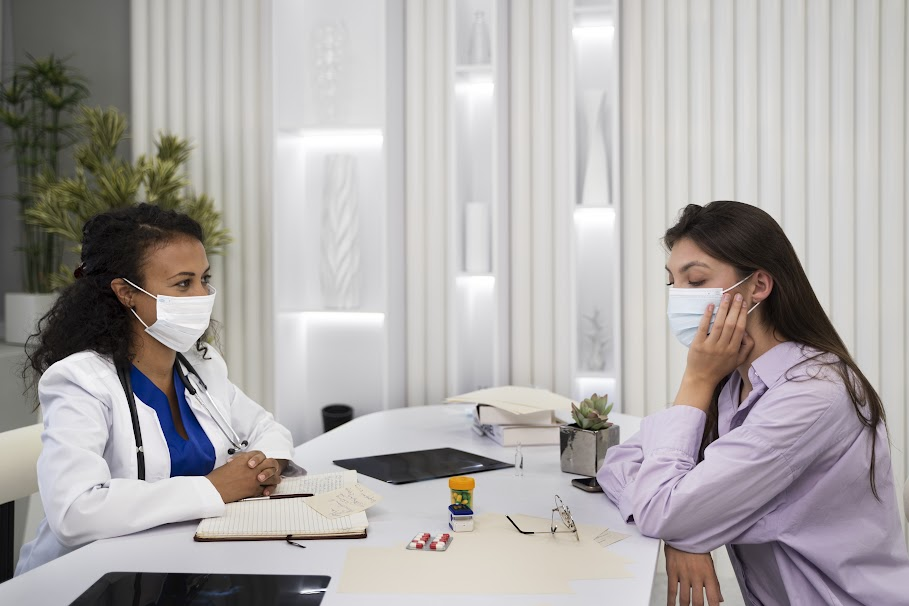
Healthcare needs can arise unexpectedly. A sudden fever, a minor injury, a painful infection, or an allergic reaction can happen at any time. In these situations, waiting days or even weeks for a doctor’s appointment may not be practical. This is where immediate healthcare services without appointments play an important role in modern healthcare.
These services provide quick access to medical care without requiring patients to schedule visits in advance. Walk-in clinics, urgent care centers, and same-day healthcare facilities help individuals receive prompt treatment for non-emergency conditions while avoiding long waiting periods.
As healthcare continues to evolve, many discussions on kingsadhutrendz.com emphasize the growing demand for flexible and convenient healthcare options. Patients today want medical services that fit their busy lifestyles while still providing quality care.
This article explores the benefits of immediate healthcare services without appointments, the conditions they treat, how they work, and why they are becoming an essential part of healthcare systems worldwide.
What Are Immediate Healthcare Services Without Appointments?
Immediate healthcare services without appointments refer to medical facilities that allow patients to receive care on a walk-in basis.
Instead of scheduling an appointment days or weeks ahead, patients can visit when they need medical attention.
These services are commonly offered through:
- Walk-in clinics
- Urgent care centers
- Retail health clinics
- Same-day medical facilities
Healthcare professionals at these facilities diagnose and treat a variety of non-life-threatening conditions.
The goal is to provide fast, accessible, and affordable care.
Why These Services Are Becoming More Popular
Traditional healthcare systems often face challenges such as:
- Limited appointment availability
- Long waiting times
- Busy schedules
- Increasing patient demand
Many individuals cannot afford to delay treatment while waiting for a future appointment.
Immediate healthcare facilities address these concerns by offering same-day medical evaluations and treatment.
This convenience has made them increasingly popular among:
- Families
- Students
- Working professionals
- Travelers
- Elderly individuals
The ability to receive care quickly improves patient satisfaction and overall healthcare access.
Benefits of Immediate Healthcare Services Without Appointments
There are many reasons why patients choose these healthcare options.
Quick Access to Care
One of the biggest advantages is speed.
Patients can often receive treatment on the same day symptoms develop.
Early intervention may prevent conditions from becoming more serious.
Convenience
Walk-in healthcare facilities eliminate the need to coordinate schedules around appointments.
This flexibility is especially beneficial for people with demanding work or family responsibilities.
Extended Hours
Many facilities operate:
- Evenings
- Weekends
- Holidays
This makes healthcare more accessible outside traditional office hours.
Reduced Emergency Room Visits
Many non-emergency conditions can be treated at walk-in clinics instead of emergency departments.
This helps reduce overcrowding in hospitals and lowers healthcare costs.
Affordable Care
For minor illnesses and injuries, immediate care facilities are often more affordable than emergency room visits.
This makes healthcare more accessible for many patients.
Common Conditions Treated
Immediate healthcare centers treat a wide variety of medical issues.
Cold and Flu Symptoms
Patients frequently visit for:
- Fever
- Cough
- Sore throat
- Nasal congestion
Healthcare providers can diagnose symptoms and recommend appropriate treatment.
Ear Infections
Ear pain and infections are common reasons for same-day medical visits.
Prompt treatment can reduce discomfort and prevent complications.
Sinus Infections
Sinus infections often cause:
- Facial pressure
- Congestion
- Headaches
Immediate care can help relieve symptoms quickly.
Urinary Tract Infections (UTIs)
UTIs often require prompt diagnosis and treatment to prevent complications.
Minor Injuries
Facilities commonly treat:
- Sprains
- Strains
- Minor fractures
- Cuts
- Burns
These injuries often require immediate attention but not emergency care.
Skin Conditions
Patients may seek treatment for:
- Rashes
- Allergic reactions
- Insect bites
- Minor infections
These conditions can usually be managed effectively through same-day healthcare services.
The Difference Between Urgent Care and Emergency Rooms
Many people are unsure whether they should visit urgent care or an emergency room.
The difference is important.
| Urgent Care | Emergency Room |
|---|---|
| Minor illnesses | Heart attacks |
| Minor injuries | Stroke symptoms |
| Infections | Severe trauma |
| Sprains | Major bleeding |
| Flu symptoms | Difficulty breathing |
Emergency rooms are designed to handle life-threatening conditions.
Urgent care facilities focus on conditions that require prompt attention but are not emergencies.
Understanding this difference helps patients choose the most appropriate level of care.
Preventive Services Available
Many people associate immediate healthcare only with illness treatment.
However, these facilities often provide preventive care services as well.
Examples include:
Vaccinations
Patients may receive:
- Flu shots
- Travel vaccines
- Routine immunizations
Health Screenings
Facilities often offer:
- Blood pressure checks
- Cholesterol testing
- Diabetes screening
Physical Examinations
Common physical exams include:
- School physicals
- Sports physicals
- Employment evaluations
Preventive care helps individuals maintain long-term health.
Many health-focused articles on kingsadhutrendz.com encourage routine screenings as part of overall wellness.
Diagnostic Services
Modern immediate healthcare centers often include diagnostic capabilities.
Laboratory Testing
On-site testing may evaluate:
- Infections
- Blood sugar levels
- Pregnancy
- Cholesterol
Imaging Services
Some facilities offer:
- X-rays
- Basic ultrasound services
These tools help healthcare providers make accurate diagnoses quickly.
Faster diagnosis often leads to faster treatment and recovery.
Benefits for Families
Parents frequently face unexpected health concerns involving children.
Immediate healthcare services offer:
- Same-day appointments
- Flexible hours
- Convenient access
Common childhood conditions treated include:
- Ear infections
- Fever
- Minor injuries
- Respiratory infections
These services help families receive care without disrupting daily schedules.
Support for Working Professionals
Busy professionals often delay medical care because of work responsibilities.
Immediate healthcare services provide:
- Evening hours
- Weekend availability
- Shorter waiting times
This allows individuals to address health concerns without missing significant work time.
Convenient healthcare access supports both personal wellbeing and workplace productivity.
Technology and Modern Healthcare
Technology has improved the patient experience in many ways.
Modern healthcare facilities often offer:
Online Check-In
Patients can reserve spots before arriving.
Electronic Health Records
Digital records improve communication and continuity of care.
Telehealth Services
Some facilities provide virtual consultations for certain conditions.
Digital Prescriptions
Prescriptions can be sent directly to pharmacies.
Technology helps make healthcare more efficient and accessible.
The Importance of Early Treatment
Seeking prompt medical attention offers many benefits.
Early treatment can:
- Prevent complications
- Reduce recovery time
- Improve outcomes
- Lower healthcare costs
Many conditions become more difficult to treat when ignored.
This is one reason why immediate healthcare services without appointments are becoming increasingly valuable.
The Future of Immediate Healthcare Services
Healthcare continues to evolve to meet changing patient needs.
Future trends may include:
- Expanded telemedicine
- Artificial intelligence-assisted diagnosis
- Enhanced digital health records
- Greater integration with primary care providers
These innovations are expected to improve healthcare accessibility and efficiency even further.
Many healthcare experts featured on kingsadhutrendz.com believe that convenience-based healthcare models will continue growing in popularity.
Conclusion
Immediate healthcare services without appointments provide an essential solution for individuals seeking fast, convenient, and reliable medical care. Whether treating minor illnesses, infections, injuries, or providing preventive services, these facilities offer valuable healthcare access without the delays associated with traditional appointments.
As highlighted in many healthcare discussions on kingsadhutrendz.com, same-day medical care helps improve patient satisfaction, supports healthier communities, and reduces pressure on emergency departments. By offering flexible access to qualified healthcare professionals, immediate healthcare services continue to play an increasingly important role in modern medicine.
Frequently Asked Questions (FAQs)
1. What are immediate healthcare services without appointments?
They are medical services provided through walk-in clinics, urgent care centers, and same-day healthcare facilities that allow patients to receive treatment without scheduling appointments in advance.
2. What conditions can be treated at immediate healthcare centers?
Common conditions include colds, flu, infections, minor injuries, skin conditions, urinary tract infections, and preventive healthcare needs.
3. Are immediate healthcare facilities open after regular business hours?
Many facilities offer evening, weekend, and holiday hours to improve accessibility.
4. Are urgent care centers less expensive than emergency rooms?
For non-life-threatening conditions, urgent care centers are often more affordable than emergency room visits.
5. Should I visit urgent care or an emergency room?
Urgent care is appropriate for minor illnesses and injuries, while emergency rooms should be used for serious or life-threatening conditions such as chest pain, stroke symptoms, severe bleeding, or major trauma.