
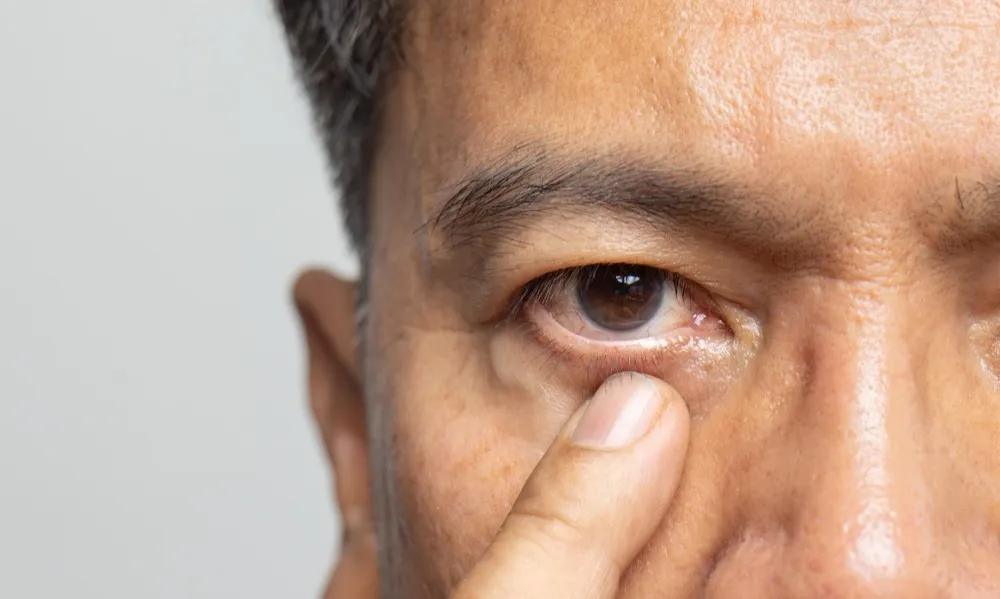
Lasik surgery is a procedure that corrects vision problems, often reducing or eliminating the need for glasses or contact lenses. Preparing properly before the procedure and following recovery guidelines afterward are key to achieving the best results. Here’s more information about preparing for laser eye surgery:
LASIK Surgery Preparations
Preparation for lasik surgery begins with adhering closely to the recommendations provided by your surgeon. A fundamental step is discontinuing the use of contact lenses at least one week prior to the procedure, or as instructed by your surgeon. Contact lenses can alter the natural shape of the cornea, potentially affecting the accuracy of the surgical plan. Patients should avoid wearing eye makeup for at least 24 hours before the surgery to reduce the risk of debris interfering with the procedure.
Arranging transportation is also necessary. As lasik involves mild sedation and temporary effects on vision, it is key to have someone available to drive you home after the surgery. Set up a comfortable recovery space at home to aid in the healing process. This should be a clean, quiet environment that is free from bright light.
What To Expect on Surgery Day
Arriving prepared will make sure that the lasik surgery is smooth and stress-free. Before the procedure begins, you will receive numbing eye drops to aid your comfort throughout the process. The specialist will likely perform a final check of your eye’s measurements to confirm precision and accuracy for the procedure.
During the surgery, the surgeon will use a specialized laser to create a corneal flap, enabling access to the cornea. Another laser is then used to reshape the cornea, correcting refractive errors. After the surgery, it is common to experience temporary blurred vision and mild discomfort. Your surgeon will provide comprehensive aftercare instructions, including the application of medicated eye drops. This is designed to facilitate healing and minimize the risk of infection. Adhering to these instructions will optimize your recovery and promote the best possible outcome.
Immediate Post-Surgery Care
The initial 24 to 48 hours post-surgery are fundamental for proper healing. Follow these helpful guidelines to support recovery.
- Use Prescribed Eye Drops: These help prevent dryness and infection. Follow the dosage and application schedule provided by your surgeon.
- Minimize Eye Strain: Avoid devices such as phones, computers, or televisions during the first day. Focus on resting your eyes.
- Avoid Rubbing Eyes: Touching or rubbing your eyes could displace the corneal flap and slow the healing process. Instead, gently lubricate with artificial tears if necessary.
- Shield Your Eyes: Wear the protective shields or sunglasses provided by your surgeon to safeguard your eyes from light sensitivity and accidental contact.
By following these guidelines closely, you can help promote a smooth recovery and protect your vision during the post-surgery period.
Book Your LASIK Surgery Consultation Today
Lasik surgery is a proven solution for achieving improved vision while eliminating daily reliance on glasses or contact lenses. By preparing properly and following a thoughtful recovery plan, you can achieve optimal results and reduce the risk of complications. For questions and concerns about laser eye surgery, consult a qualified LASIK surgeon for a personalized assessment to determine your eligibility and create a customized treatment plan.