
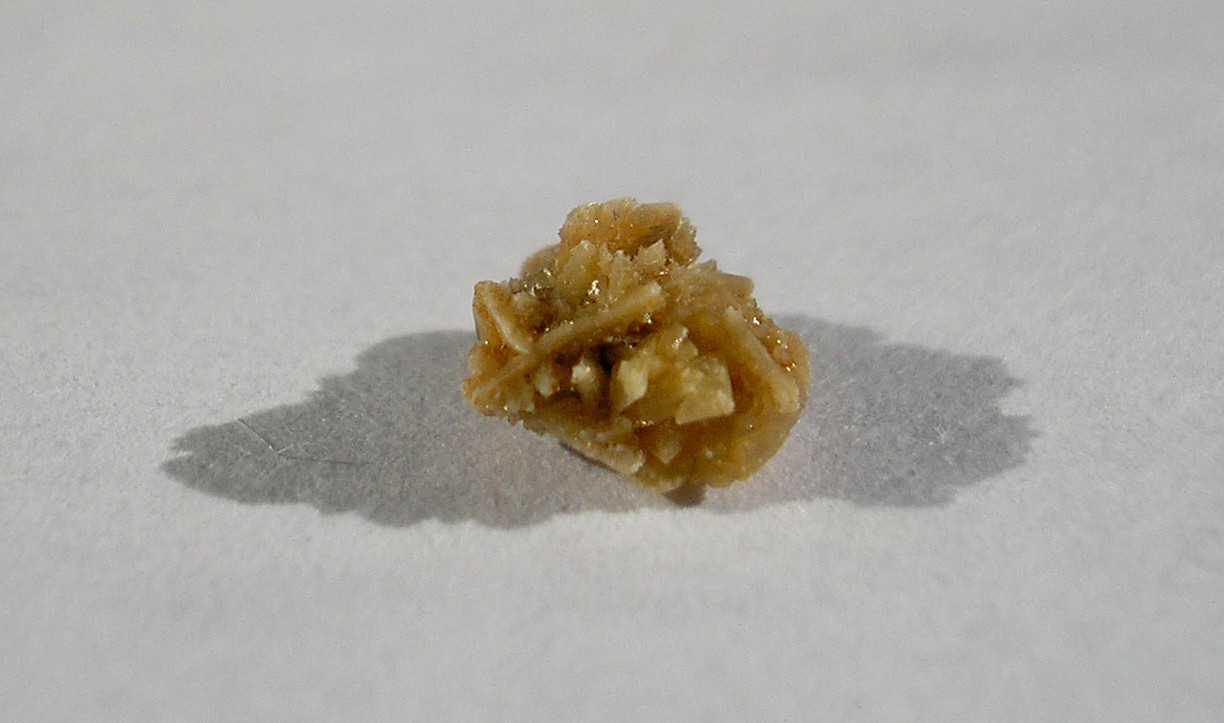
Kidney stones affect approximately 1 in 10 people at some point during their lifetime, making them one of the most common urological conditions. These hard deposits form inside the kidneys and can cause significant discomfort when they move through the urinary tract. Understanding the formation, causes, and prevention methods helps you take proactive steps to protect your kidney health.
What Are Kidney Stones?
Kidney stones are solid masses that develop when minerals and salts in urine become highly concentrated and crystallize. These formations typically start small but can grow larger over time if conditions remain favorable for their development. The stones form in the kidneys but may travel through the ureter, bladder, and urethra as they exit the body.
Four main types of kidney stones exist, each with distinct characteristics. Calcium stones represent the most common variety, usually forming as calcium oxalate or calcium phosphate. Uric acid stones develop when urine becomes too acidic, while struvite stones often form following urinary tract infections. Cystine stones are the rarest type, occurring in people with a genetic disorder that causes excessive cystine excretion in urine.
What Causes Them?
Multiple factors contribute to kidney stone formation, with dehydration being the primary culprit. When fluid intake is inadequate, urine becomes concentrated, creating an environment where minerals can crystallize more easily. Diet plays a significant role, particularly high sodium intake, excessive animal protein consumption, and foods rich in oxalates such as spinach, nuts, and chocolate.
Medical conditions can predispose individuals to the formation of stones. Hyperparathyroidism increases calcium levels in blood and urine, while inflammatory bowel disease affects mineral absorption. Certain medications may also increase the risk of stone formation. Family history represents another contributing factor, as genetic predisposition may affect how the body processes minerals.
What Are the Symptoms?
Kidney stone symptoms typically appear when the stones begin to move through the urinary tract. The most common symptom is severe pain, often sharp or cramping, occurring in the back, side, lower abdomen, or groin. The pain may come in waves and vary in intensity. Additional symptoms include:
- Blood in urine (pink, red, or brown in color)
- Nausea and vomiting
- Frequent urination or a burning sensation while urinating
- Difficulty urinating
- Fever and chills
If you experience fever, chills, or severe symptoms, it’s important to seek medical attention immediately.
How Can You Prevent Them?
Prevention strategies primarily focus on lifestyle modifications that reduce the risk of stone formation. Adequate hydration is one of the most effective preventive measures against kidney stones. Dietary changes can significantly impact stone prevention. Reducing sodium intake helps decrease calcium excretion in urine, while limiting animal protein consumption reduces uric acid production.
When Should You See a Urologist?
A medical consultation becomes necessary when symptoms suggestive of kidney stones are experienced. Severe pain that prevents comfortable sitting or lying down warrants immediate medical attention. Blood in urine, fever with chills, or an inability to urinate completely represent urgent situations that require prompt evaluation.
Recurrent stone formation indicates the need for specialized urological care. A urologist may perform a comprehensive evaluation to identify underlying causes and develop personalized prevention strategies. Treatment options may include prescription medications to alter urine chemistry or procedures such as extracorporeal shock wave lithotripsy to break up larger stones.
Consult a Urologist Today
Kidney stones are a manageable condition when appropriately understood and with preventive care. Recognition of symptoms enables timely treatment, while lifestyle modifications help reduce the risk of recurrence. Schedule a consultation with a urologist if you experience symptoms or have risk factors that increase your likelihood of developing kidney stones.