
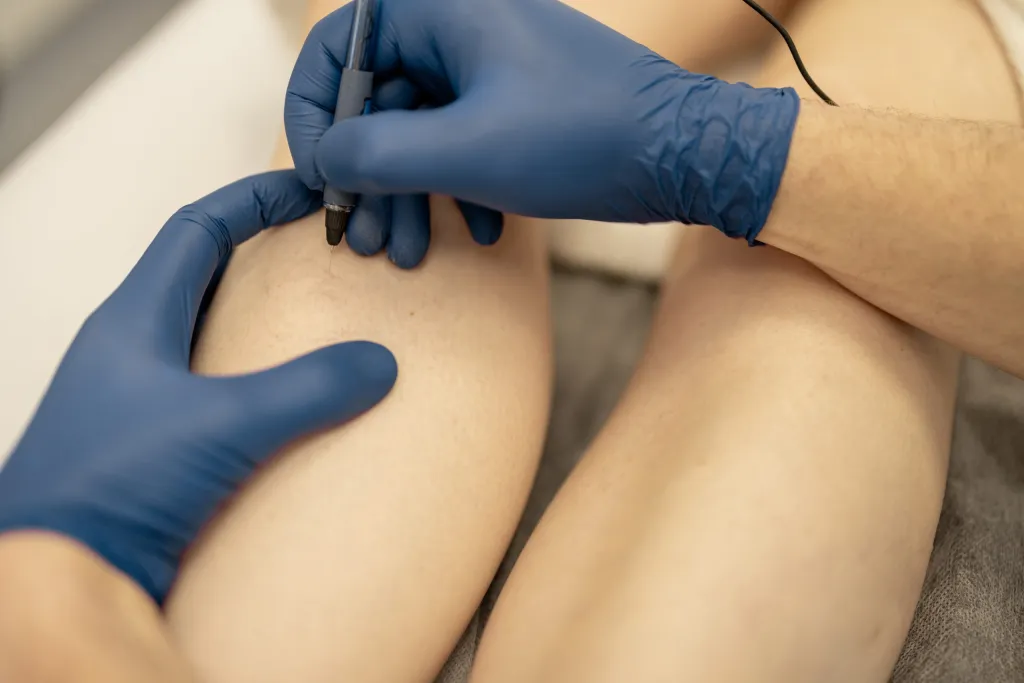
Vein problems affect millions of people, causing discomfort, cosmetic concerns, and potential health complications. A vein specialist offers targeted expertise in diagnosing and treating various venous disorders, including varicose veins. Understanding what these medical professionals do and how they can help will guide you in making informed decisions about your vascular health.
What Is a Vein Specialist?
A vein specialist is a medical doctor who focuses specifically on diagnosing and treating disorders of the venous system. These physicians possess specialized knowledge of venous anatomy, blood flow patterns, and treatment techniques for vein-related conditions. Their specialized training allows them to identify the underlying causes of vein problems and recommend the most appropriate treatment approaches.
What Are Vein Treatments?
Vein treatments encompass a range of medical procedures designed to address problematic veins and restore proper blood circulation. These treatments target veins that have become damaged, enlarged, or dysfunctional due to various factors, including genetics, pregnancy, prolonged standing, or aging. Modern vein treatments are minimally invasive and designed to shrink, seal off, or destroy problematic veins, helping to redirect blood flow to healthy vessels. Radiofrequency ablation is a standard treatment that uses heat energy to shrink problematic veins.
What Does Radiofrequency Ablation Treat?
Radiofrequency ablation effectively treats varicose veins and chronic venous insufficiency. The procedure targets malfunctioning valves within the saphenous veins. These valves normally prevent blood from flowing backward, but when damaged, they cause blood pooling and vein enlargement.
Patients with symptoms like leg pain, swelling, and heaviness may benefit from this treatment. The procedure helps improve the appearance of bulging varicose veins. Skin changes associated with chronic venous disease may also improve following treatment.
What Does the Process Entail?
The radiofrequency ablation process begins with a comprehensive evaluation and imaging studies. Ultrasound mapping identifies the precise location and extent of vein problems. Local anesthesia may be administered to numb the treatment area before the procedure begins.
A thin catheter is inserted into the problematic vein under ultrasound guidance. The catheter contains a radiofrequency electrode that delivers controlled thermal energy. This energy heats the vein wall, causing it to contract and seal shut permanently.
The catheter is slowly withdrawn while delivering radiofrequency energy along the entire length of the treated vein. Blood flow is automatically redirected to healthy veins in the surrounding tissue. This procedure is minimally invasive and requires minimal downtime.
How Long Does It Take?
A typical radiofrequency ablation procedure usually takes less than one hour to complete. The actual treatment time varies based on the length and number of veins being treated. Recovery begins immediately after the procedure, with patients potentially walking within minutes of treatment completion. Compression stockings are applied before leaving the medical facility, and everyday activities can typically resume quickly following treatment.
Contact a Vein Specialist Today
Vein specialists offer comprehensive care for venous conditions using modern, minimally invasive techniques. These medical professionals provide targeted expertise that can significantly improve both the appearance and health of your legs. The treatment process is typically straightforward, with some procedures requiring minimal recovery time.
If you’re experiencing symptoms like leg pain, swelling, or visible vein problems, consulting with a vein specialist can help determine the most appropriate treatment approach. Early intervention may lead to better outcomes and can prevent the progression of venous conditions. Schedule a consultation with a qualified vein specialist to discuss your symptoms and explore treatment options.