
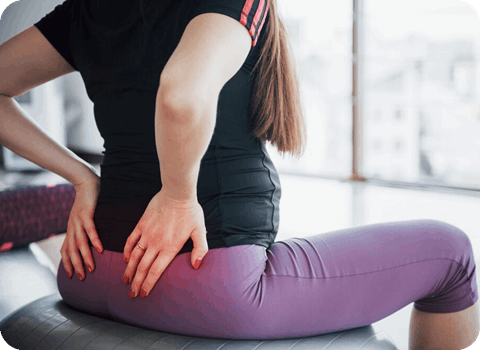
Experiencing hip pain can be more than just an inconvenience; it can significantly impact various aspects of your daily life. From moving comfortably to sleeping soundly at night, pain in this joint can interfere with both physical and emotional well-being. Understanding how hip pain affects quality of life and discovering effective ways to find relief is beneficial for maintaining mobility.
Limitations in Daily Movement
Hip pain often leads to noticeable restrictions in movement, particularly in tasks that many people take for granted. Everyday activities such as walking, climbing stairs, bending to pick up items, or even standing for extended periods may become challenging. These limitations can directly disrupt routines and reduce your overall productivity. When movement becomes difficult, you might also avoid certain activities altogether to prevent pain. Which could mean missing out on social events, recreational hobbies, or even basic household responsibilities. Over time, this avoidance may lead to a decline in physical fitness, exacerbating the cycle of pain and further limiting flexibility.
Sleep and Rest Disruptions
Hip pain can greatly interfere with your ability to get restful sleep, complicating the body’s natural recovery process. Here are some common ways it affects sleep:
- Difficulty finding a comfortable position: Pain may intensify when lying down, particularly for side sleepers, making it hard to rest without discomfort.
- Frequent waking: Sharp discomfort or stiffness can disturb sleep cycles, leaving you feeling fatigued the next day.
- Prolonged sleep deprivation: Ongoing sleep interruptions may lead to reduced focus, mood changes, or slower recovery in the affected hip.
Addressing poor sleep quality is a step in long-term pain management and overall health improvement.
Emotional and Mental Strain
Chronic hip pain doesn’t just affect the body; it can take a toll on the mind as well. Living with persistent discomfort may lead to feelings of frustration, irritability, or sadness, especially if the pain prevents you from participating in activities that bring joy or fulfillment. The stress of coping with physical limitations often amplifies feelings of isolation or helplessness, especially for those who value independence. This emotional strain can further heighten the perception of pain, creating a cycle that’s hard to break without early intervention.
Reduced Independence Over Time
Hip pain that goes unmanaged can gradually limit independence, particularly as tasks become harder to complete without assistance. Here are some areas where independence might diminish:
- Household chores: Activities like cleaning, shopping, or cooking may become overwhelming due to restricted mobility.
- Personal care: Dressing, bathing, or performing other hygiene-related tasks could require continual support.
- Transportation: Driving or using public transportation may become difficult or unsafe, restricting your ability to move freely.
By improving pain relief and mobility early, you can often delay or prevent these restrictions and maintain autonomy for a longer period.
Seek Lasting Relief From Hip Pain
Finding effective solutions for hip pain begins with understanding its underlying cause and exploring various strategies to minimize its impact. Structured physical therapy, adjustments to daily activities, or targeted exercise regimens might help to improve range of motion, strengthen muscles, and reduce discomfort. Consulting with a qualified healthcare provider can guide you towards appropriate interventions tailored to your specific needs. By addressing pain early and exploring ways to restore your mobility, you can take proactive steps toward enjoying a fuller, more comfortable life.