
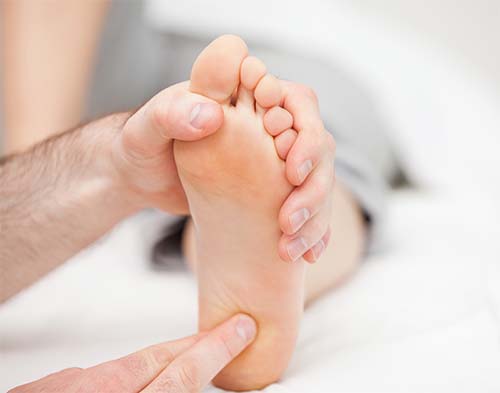
Flat feet, a condition where the arch of the foot is either absent or collapsed, affect how people stand, walk, and move. While having this condition doesn’t always lead to issues, it can sometimes cause discomfort or pain during workouts. If you’ve noticed difficulty or strain during exercise, here’s how the impact of flat feet on your fitness routine can be helpful:
Impact of Flat Feet
Flat feet disrupt the natural alignment of the lower body, placing extra stress on various parts of the legs during physical activity. This misalignment can contribute to:
- Overpronation, where the foot rolls inward excessively, leads to uneven weight distribution.
- Added strain on the ankles, knees, and hips, which can make certain exercises more challenging or uncomfortable.
- A reduced ability to absorb shock during high-impact activities like running or jumping increases the risk of pain or injury.
If left unaddressed, these challenges may make basic movements more demanding and limit your workout options.
Flat Feet Solutions
Though flat feet can pose challenges, there are several straightforward solutions to help modify your workouts and minimize discomfort. Wearing the right shoes makes a significant difference. Look for athletic shoes with excellent arch support, a firm midsole, and plush cushioning. These features help stabilize your feet and evenly distribute pressure. Specialty shoe stores often have staff who can guide you to pick footwear designed for flat-footed runners and gym-goers.
Ask About Orthotics
Orthotics are inserts made to support the natural shape of your arch. A podiatrist or footwear expert can customize these inserts to fit your unique needs. They can also help relieve strain during workouts by improving alignment and offering targeted stability.
Strengthen Foot Muscles
Weak muscles in the feet and calves can contribute to foot problems. Integrating exercises into your fitness routine helps strengthen these muscles and supports your arches more effectively. Some effective options include: For calf raises, stand with your feet flat, slowly rise onto the balls of your feet, and lower back down. Repeat 10–12 times. While seated, place a small towel on the floor and grip it with your toes, pulling it toward you. Growing stronger foot muscles gradually improve balance and reduce discomfort during exercise.
Stretch Muscles Regularly
Stiffness in the calves and the plantar fascia (the ligament running along the bottom of your foot) can worsen the strain this condition creates. Maintain consistency with these stretches to gradually ease tension and enhance flexibility over time. Place your hands on a wall, step one leg back, and press the heel into the ground. Hold for 20–30 seconds before switching legs. For a plantar fascia stretch, sit down, cross one foot over your knee, and gently pull your toes toward you until you feel a stretch along the arch.
Modify Workout Activities
Certain high-impact workouts, such as sprinting or jumping, may exacerbate the symptoms associated with flat feet. Instead, focus on low-impact exercises such as swimming, cycling, or yoga. These activities are gentler on your feet while still allowing you to build strength and endurance.
Ask a Podiatrist About Treating Flat Feet
By making small but effective changes, like choosing supportive shoes, adding orthotics, strengthening foot muscles, and engaging in stretches, you can work out more comfortably and safely. Listening to your body and adapting your routine when needed will help you stay active without compromising comfort. Take these steps to support your feet and keep moving toward your goals.